When founders look to form a new company, they often hear about the Delaware Secretary of Corporations. Operating under the Delaware Department of State, this division handles the official registration, maintenance, and records for over a million legal entities. It's the engine room behind America's corporate capital, but navigating its requirements takes precision.
The office manages corporate filings, franchise tax collections, and name reservations for corporations, limited liability companies, and partnerships. If you're launching a startup or moving an existing business to the state, understanding how this division functions saves you time, money, and compliance headaches. Let's break down what you actually need to know about the system.
Core Functions of the Division of Corporations
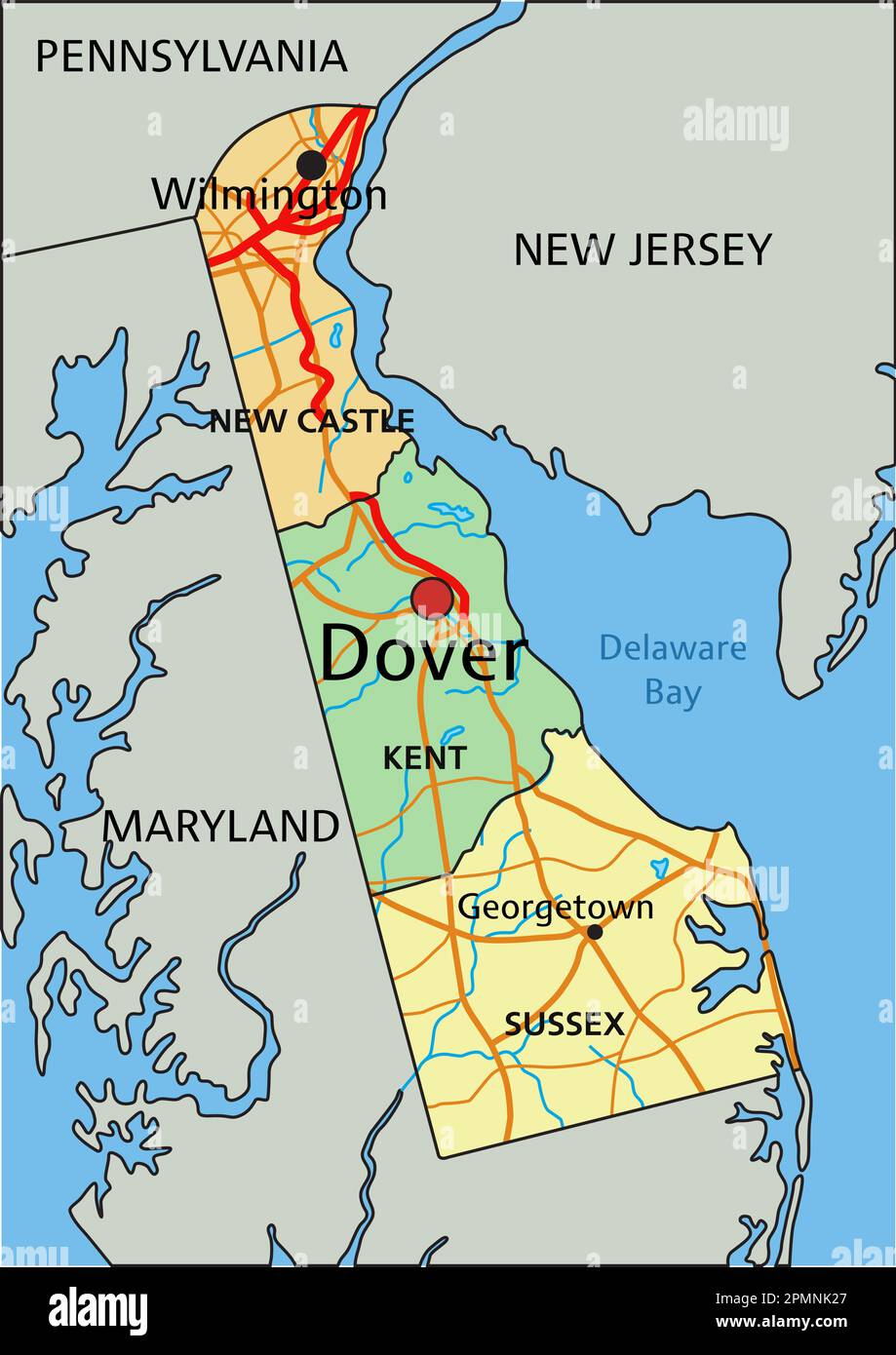
The Delaware Division of Corporations acts as the central registry for all business structures formed within the state. You don't interact with a separate standalone secretary for corporations; instead, the work falls under the Division of Corporations, which operates out of Dover, Delaware.
The agency processes new formation documents, issues certificates of good standing, and maintains public records of active and dissolved entities. Investors and legal counsel rely heavily on these registries to verify a company's legal status before closing deals or funding rounds.
Key Services Provided
- Entity Formation: Processing certificates of incorporation, formation, and partnership agreements.
- Name Availability: Checking and reserving unique business names through the online portal.
- Certificates and Apostilles: Issuing official proof of existence, good standing, or certified copies of historical filings.
- Franchise Tax Management: Assessing and collecting annual taxes and reports required from all registered entities.
Why Businesses Choose Delaware
More than half of all U.S. publicly traded companies and a massive share of Fortune 500 firms choose Delaware for a reason. It's not because of sunny weather or physical office space; it's because of the legal infrastructure.
The state features the Court of Chancery, a specialized court system that handles corporate disputes without juries. Instead of waiting years for a general civil court to understand corporate nuance, judges who specialize entirely in business law handle cases. This predictability draws venture capital firms and high-growth startups to incorporate here, even if their physical operations are thousands of miles away.
The Trade-offs of Incorporating Here
- Dual Filings: If your physical operations are based in another state, you'll likely need to register as a foreign entity in your home state, meaning fees in two places.
- Registered Agent Costs: You must pay an annual fee for a Delaware registered agent with a physical address in the state to accept legal mail.
- Minimum Franchise Tax: Even if your company makes zero revenue, you owe an annual franchise tax just for holding the charter.
Step-by-Step Incorporation Process
Filing your paperwork correctly the first time prevents processing delays. You can submit documents online through the division's electronic filing system or via mail and fax.
1. Select and Reserve Your Name
Your business name must be distinguishable from any other entity currently registered in the state. You can check availability online instantly. If you aren't ready to file immediately, you can hold a name for a small fee for up to 120 days.
2. Appoint a Registered Agent
Every Delaware entity requires a registered agent with a physical street address within the state. This agent receives official state correspondence and legal service of process. Most out-of-state founders hire a commercial registered agent service to handle this requirement.
3. File the Certificate of Incorporation
For a standard corporation, you file a Certificate of Incorporation detailing your corporate name, authorized stock shares, and contact info for the incorporator. For an LLC, you file a Certificate of Formation. You can request expedited processing for an extra fee if you're in a rush.
4. Pay the State Filing Fees
Base filing fees vary based on your structure and authorized shares. For corporations, fees scale depending on how many shares you authorize. Keep your payment method ready when submitting through the portal.
Managing Ongoing Compliance and Taxes
Forming the company is just the start. Staying in good standing requires tracking recurring deadlines. Failing to meet them leads to penalties, interest, and eventual voiding of your charter.
Annual Franchise Tax Deadlines
Corporations must file their annual franchise tax report and pay taxes by March 1st every year. Limited liability companies, limited partnerships, and general partnerships face a deadline of June 1st.
- Corporation Tax Calculation: Corporations can use two methods—the Authorized Shares method and the Assumed Par Value Capital method—to calculate what they owe. Small startups with low share counts usually pay the minimum flat fee plus the report fee, while massive corporations pay millions based on total authorized stock.
- LLC Flat Fee: LLCs pay a flat annual tax regardless of revenue or activity level.
Frequently Asked Questions
Do I need to live in Delaware to form a company there?
No. Founders from any state or country can form a Delaware corporation or LLC. You only need a registered agent with a physical address inside Delaware to satisfy state rules.
How do I check if a business name is available?
You can search the live database on the Delaware Division of Corporations portal to see if your preferred name is already taken or too similar to an existing registrant.
What happens if I miss my franchise tax deadline?
The state assesses a strict late penalty plus monthly interest. If you remain delinquent for an extended period, your corporate charter becomes void, stripping away your liability protection until you pay the back taxes and reinstatement fees.
How do I obtain a Certificate of Good Standing?
You can order a Certificate of Good Standing directly through the Division of Corporations online portal. Banks, lenders, and investors frequently request this document to prove your company is active and compliant.


