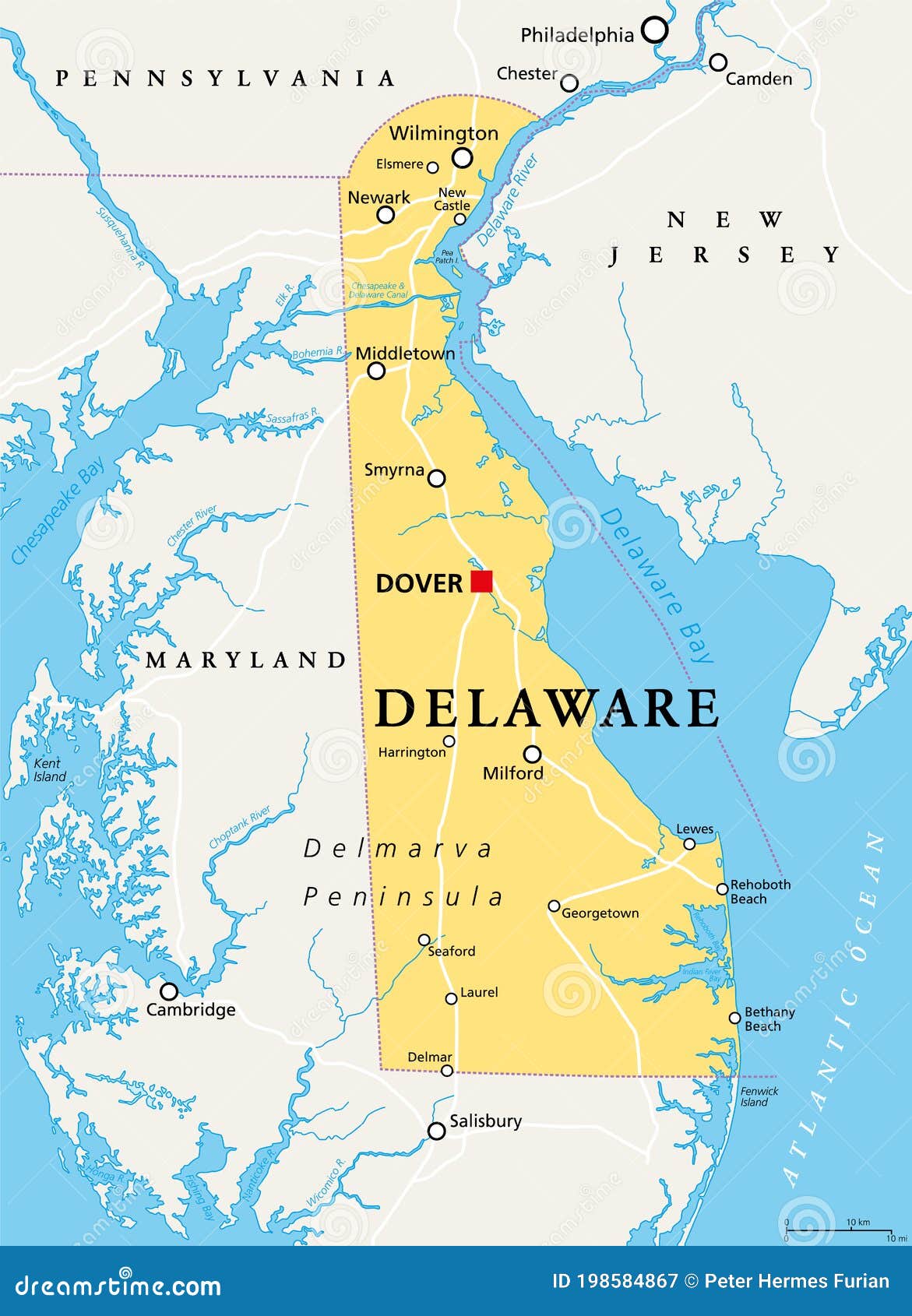
Operating quietly from Dover, the Delaware Lottery Office manages a statewide enterprise that has funneled billions of dollars into public services. Established in the mid-1970s, the agency balances traditional draw games with high-tech mobile platforms and self-service sports wagering. Far from being just a source of entertainment, every dollar generated supports the state's General Fund, directly backing public education, infrastructure, and community health services.
Understanding how this office operates requires looking at its revenue models, its technological transition, and where the money actually lands. While paper tickets and traditional terminal numbers still hold ground, digital expansion, online casino integration, and retail sports kiosks have completely reshaped the agency's footprint.
History and Structural Evolution of the Delaware Lottery
The state lottery began operations in March 1975 following legislative authorization. Early iterations relied on primitive mechanics, including weekly games tied to live horse racing at local tracks like Brandywine and Harrington. By the late 1970s, leadership modernized the agency by introducing computer-based terminal systems and launching daily number games.
For decades, growth came through multi-state draw games. The state joined widespread pools like Powerball and Mega Millions, expanding jackpot sizes and driving ticket sales. Throughout these changes, the foundational mandate remained simple: generate non-tax revenue for state programs without placing a direct burden on traditional taxpayer pools. Additional insights on this are covered by Associated Press.
By the fiscal year metrics, the agency has crossed a major historical milestone, contributing more than $6.0 billion to the state's General Fund since inception. This money blends directly into state budgets, funding a wide spectrum of public operations including educational institutions, teacher salaries, and school facility maintenance.
Funding Mechanics: Where the Proceeds Go
A common misconception is that lottery earnings are earmarked entirely for classroom supplies or isolated school districts. In reality, lottery revenue flows straight into the Delaware General Fund.
State legislators allocate the General Fund during annual budget cycles. Public education claims the largest single share of this budget. When the lottery transfers tens of millions of dollars monthly, it relieves pressure on property and income taxes, ensuring public schools maintain baseline operational funding.
The financial breakdown relies on four main streams:
- Traditional Draw Games: Powerball, Mega Millions, and Multi-State games that pull consistent weekly volume.
- Instant Scratch Tickets: High-turnover paper products sold at thousands of local retail storefronts.
- Table Games and Slots: On-site casino play hosted at Delaware's three licensed racinos.
- Digital iGaming and Sports Wagering: Online slots, poker, and sportsbook apps.
Operating expenses consume a small fraction of total revenue, while the vast majority is split between prize payouts, retailer commissions, and state contributions.
Digital Modernization and Omnichannel Expansion
To stay competitive against illegal offshore betting sites and changing consumer habits, the Delaware Lottery shifted heavily toward digital infrastructure. Modernization efforts focus on meeting players where they are, blending mobile applications with physical retail upgrades.
Mobile Apps and Digital Playslips
The official mobile application allows players to check ticket barcodes, look up winning numbers, and build digital playslips on their smartphones before scanning them at a local retailer. The app also serves as a portal for second-chance drawings, eliminating the need to mail physical ticket stubs.
Self-Service Sports Kiosks
Expanding beyond traditional brick-and-mortar counters, the agency introduced self-service sports wagering kiosks across dozens of retail establishments and partner casinos. Players can generate wagers on mobile devices or at the kiosk terminal, confirm selections with a unique six-digit code, and print tickets instantly.
iGaming Partnerships
On the digital casino front, the state partners with established commercial operators to power online poker, table games, and digital slots. These online platforms operate under strict state regulatory oversight, ensuring consumer protection and secure tax collection.
Common Misconceptions About State Lotteries
Misunderstandings often surround how lottery funds are handled and how odds work. Clarifying these points helps maintain public trust in state-run gaming.
- Myth: Lottery money replaces regular school taxes. Reality: Lottery funds supplement the state budget; they do not replace local school district property taxes or state appropriations. They act as an additive revenue stream.
- Myth: Winners can remain completely anonymous forever under any circumstance. Reality: While the state protects winner privacy through specific policies, public transparency laws require basic disclosures for major payouts to prevent fraud and ensure regulatory compliance.
- Myth: Online play operates outside state rules. Reality: Digital platforms are tightly bound to state borders via geolocation technology and are strictly monitored by state authorities.
Frequently Asked Questions
How old do you have to be to play the Delaware Lottery?
You must be at least 18 years old to purchase standard draw and instant lottery tickets. However, participation in sports betting, online casino games, and table gaming at licensed racinos requires players to be at least 21 years old.
Where is the main office located?
The headquarters is located in Dover, Delaware, where administrative operations, prize claims, and regulatory oversight take place. Winners of very large prizes must process their claims directly through the headquarters office.
Are lottery winnings subject to state and federal taxes?
Yes. All lottery prizes are subject to federal income tax withholding thresholds. State income tax also applies to winnings for residents and non-residents alike, deducted automatically at payout if thresholds are met.
Can I buy lottery tickets online from outside the state?
No. Online participation requires players to be physically located within state boundaries. Geolocation software blocks bets originating from outside state lines to comply with federal and local gaming laws.
What resources are available for problem gambling?
The state provides robust support structures for individuals struggling with gambling addiction. Confidential help is available through the Delaware Council on Gambling Problems helpline, offering 24/7 support and counseling resources.