Friday nights across the First State mean packed aluminum bleachers, marching bands echoing across local highways, and intense gridiron rivalries. Delaware high school football operates on a tight-knit yet fiercely competitive scale, shaped by compact geography and distinct multi-class divisions overseen by the Delaware Interscholastic Athletic Association (DIAA). Unlike massive neighboring states where teams travel hours for district games, Delaware's setup pits neighboring communities against one another, creating an electric atmosphere where a town's entire population turns out under the Friday night lights.
Understanding how the system works requires looking past the surface glamour of championship weekends. From perennial powerhouses in New Castle County down to coastal contenders in Sussex County, teams navigate a rigorous regular season to secure a coveted spot in the state tournament brackets. Whether you're tracking player development for the University of Delaware pipeline or simply looking for local Friday night entertainment, the landscape offers plenty of hard-hitting action and tactical chess matches.
The DIAA Classification System and Playoff Structure
Delaware divides its high school football programs into classifications based primarily on school enrollment numbers, ensuring competitive balance across rural, suburban, and urban institutions. The DIAA structures these divisions to group similarly sized programs, minimizing blowouts and maximizing divisional parity.
- Class 3A: Home to the state's largest high schools with the deepest rosters, featuring powerhouse programs capable of sustaining multi-tiered junior varsity and freshman feeder systems.
- Class 2A: A competitive middle tier characterized by fierce regional battles where smaller enrollment schools often bridge the gap with elite coaching and disciplined schemes.
- Class 1A: The smallest classification, highlighting community-centric programs where multi-sport athletes play ironman football, often staying on the field for nearly every offensive and defensive snap.
Postseason qualification depends on power points accumulated through regular-season wins and the strength of schedule. When November arrives, the top programs advance to the state tournament brackets, culminating in championship games typically hosted at neutral collegiate venues like Delaware State University's Alumni Stadium.
Perennial Powerhouses and Geographic Dynamics
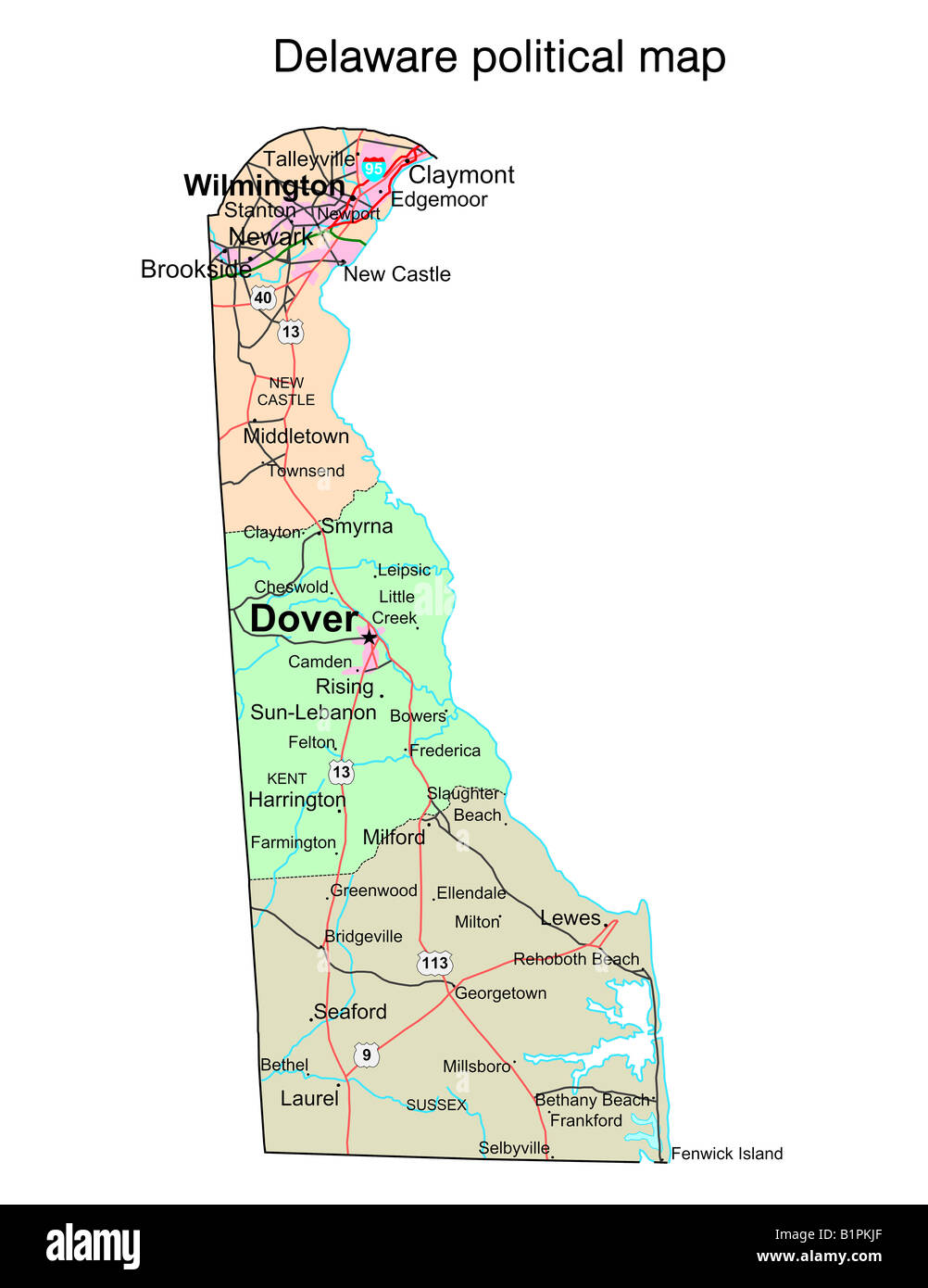
Geography heavily influences Delaware football culture. The state splits naturally into distinct talent corridors. New Castle County features dense suburban rivalries with historic programs boasting decades of institutional tradition. Meanwhile, Kent and Sussex counties have experienced explosive population growth, transforming once-sleepy rural programs into formidable athletic juggernauts.
Programs like Salesianum, Smyrna, and Cape Henlopen regularly anchor statewide conversations. These schools invest heavily in modern strength and conditioning programs, year-round 7-on-7 circuits, and specialized positional coaching. When these titans clash during the regular season, the stakes often mirror collegiate atmospheres, drawing scouts, media, and thousands of vocal alumni.
Key Factors Driving Program Success
- Offseason Development: Successful programs don't take winters off. They transition from fall gridiron wars straight into winter weight training and spring passing leagues.
- Community Pipeline: Strong youth league systems feed middle school programs that run identical playbooks to the varsity squad, allowing freshman call-ups to adapt quickly.
- Coaching Stability: The top programs feature veteran head coaches who maintain deep roots in the local community and sustain cohesive offensive and defensive philosophies for years.
Navigating the Friday Night Experience
Attending a game in the First State requires knowing what to expect. Parking fills up fast, especially at older campus facilities built decades ago. Arriving forty kickoff minutes early ensures a good seat on the home side and a chance to watch the team's pre-game warmup routine.
Concession stands run by booster clubs serve as community social hubs, offering classic stadium fare while funding vital equipment upgrades for student-athletes. Ticket prices remain affordable, making local high school games one of the best entertainment values in the region.
Common Misconceptions About Local Programs
Fans new to the area often assume that smaller states lack elite athletic talent. In reality, Delaware routinely produces Division I collegiate prospects who sign with Football Bowl Subdivision (FBS) and Football Championship Subdivision (FCS) programs. Another common myth is that private and public schools compete on an uneven playing field without oversight; the DIAA enforces strict transfer and eligibility rules to maintain competitive equity across all member institutions.
Frequently Asked Questions
How many classes are there in Delaware high school football?
Delaware high school football features three primary competitive classes—Class 3A, Class 2A, and Class 1A—structured by the DIAA based on school student populations.
Where are the Delaware state championship games played?
Championship games are typically hosted at neutral collegiate sites within the state, most notably Alumni Stadium in Dover, providing a stadium experience for the state's top student-athletes.
How do teams qualify for the DIAA football playoffs?
Teams earn playoff berths based on a power-point system that accounts for total wins, losses, and the combined winning percentage of their opponents throughout the regular season.
Are Delaware high school football games broadcast live?
Many games feature live audio or video streams through local media outlets, regional streaming platforms, or school-run media clubs, allowing fans to follow matchups remotely.


