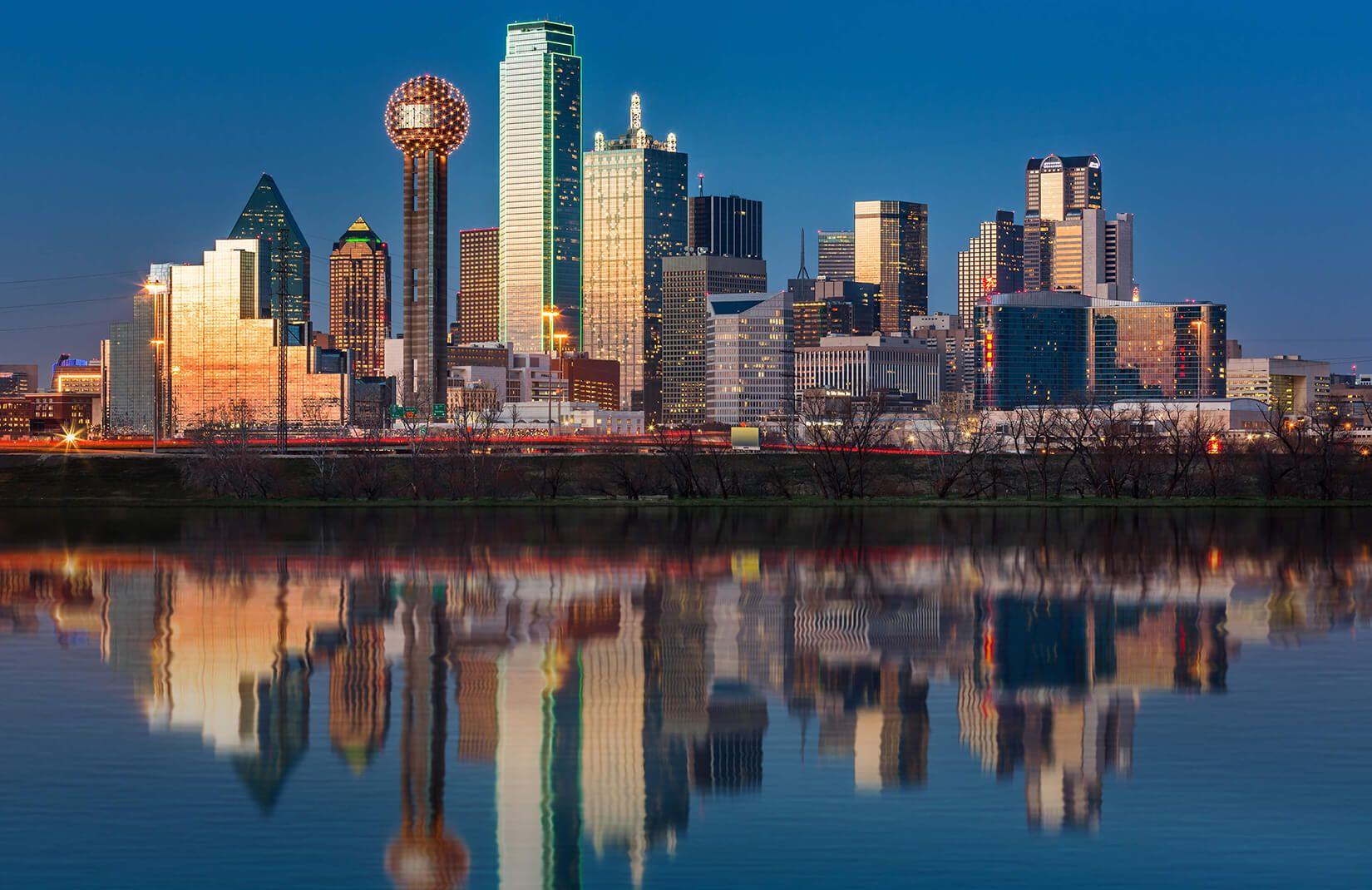
Deep Ellum operates as an urban economic engine just east of downtown Dallas, functioning primarily within the 75226 postal code rather than 75217 (which sits further southeast in Pleasant Grove). This district evolved from a late 19th-century freedman's town and industrial hub into a cultural anchor. Today, it combines historic brick warehouses, loft apartments, tech-forward offices, and high-density retail spaces, generating a distinct economic micro-climate driven by hospitality, arts, and commercial redevelopment.
Understanding Deep Ellum's trajectory requires looking past surface-level descriptions of nightlife. The neighborhood sustains a dense residential population of over 6,000 residents, a median household income hovering around $70,000, and a high concentration of white-collar professionals. Property values have climbed steadily over the past decade as historic industrial assets transition into mixed-use commercial centers. This transformation balances authentic neighborhood heritage with modern capital investment, making it a prime case study in Texan urban evolution.
Industrial Roots and Early Economic Foundations
In the 1870s, the expansion of railroads brought industrial infrastructure to the edge of downtown Dallas. Former slaves and European immigrants settled the area, establishing a bustling commercial corridor originally known as Deep Elm. By the turn of the 20th century, the district transitioned into a heavy manufacturing and distribution center.
Major corporations recognized the strategic advantage of the rail lines. In 1914, Henry Ford selected Deep Ellum as the site for a regional assembly plant producing the Model T. Concurrently, the Continental Gin Company operated the largest cotton-processing equipment manufacturing plant in the United States right on Elm Street. These operations brought stable employment, skilled labor, and ancillary supply businesses to the district, laying the groundwork for a resilient local economy long before retail or entertainment took hold.
- Railroad Access: Provided immediate freight shipping capabilities for manufacturing goods.
- Diverse Labor Pool: Attracted skilled tradespeople, musicians, and merchants from diverse cultural backgrounds.
- Manufacturing Hub: Anchored by heavy industry, including automotive assembly and cotton gin production.
Cultural Capital and the Birth of the Music Economy
While factories drove early commercial value, culture became Deep Ellum's most enduring export. During the 1920s and 1930s, the district emerged as a crucible for early blues and jazz. Blind Lemon Jefferson, Robert Johnson, and Lead Belly performed in local clubs and on street corners, creating an organic entertainment economy that drew visitors from across the region.
This cultural density fostered institutional investments like the Knights of Pythias Temple, designed by prominent African American architect William Sidney Pittman. The building housed offices for Black doctors, lawyers, and dentists, proving that the neighborhood could sustain professional service economies alongside its vibrant nightlife. When industrial operations declined mid-century, this rich cultural foundation prevented the district from complete abandonment.
Urban Decay, Rezoning, and the Arts Resurgence
By the 1950s and 1960s, suburbanization and the construction of Interstate 345 severed direct connections between Deep Ellum and the surrounding areas, leading to decades of disinvestment and industrial vacancy. However, cheap rent and abundant vacant warehouse space attracted artists, painters, and musicians in the 1980s.
Pioneering galleries, punk rock venues, and alternative performance spaces reclaimed the abandoned brick structures. This grassroots arts movement altered local real estate dynamics. The City of Dallas established special zoning overlay districts to protect the neighborhood's pedestrian scale and historic architecture, paving the way for structured revitalization. Venues like Trees hosted emerging national acts, cementing the area's reputation as a live music capital.
Modern Economic Realities and Commercial Real Estate
Today, Deep Ellum operates as a high-density mixed-use urban village. The district features a heavy renter-occupied housing market, where nearly 88 percent of residents rent apartments or loft spaces converted from historic industrial properties. Median gross rents average around $1,768 per month, reflecting strong demand driven by young professionals working in technology, finance, and creative services.
Commercial real estate dynamics have shifted from affordable artist studios to competitive retail leasing. Local independent restaurants, craft breweries, and boutique hotels now share the streetscape with corporate office spaces. The adaptive reuse of structures like the Continental Gin Building demonstrates how historic preservation can yield high-yield modern commercial space without erasing architectural identity.
- Adaptive Reuse: Converting 20th-century industrial warehouses into modern tech offices and residential lofts.
- Hospitality and Retail: High foot-traffic density supporting bars, restaurants, and experiential retail concepts.
- Infrastructure Integration: Proximity to DART light rail stations enhances commuter accessibility for downtown workers.
Common Strategic Pitfalls in Urban Revitalization
When municipalities and real estate developers attempt to replicate Deep Ellum's success elsewhere, they often miscalculate the delicate balance between commercial growth and cultural preservation. Recognizing these mistakes helps explain why few urban districts achieve organic evolution.
- Over-Commercialization: Replacing independent venues with national chain stores erodes the unique cultural identity that attracts visitors initially.
- Ignoring Infrastructure Capacity: Failing to upgrade parking, waste management, and public safety infrastructure creates friction as residential density increases.
- Displacement Pressures: Rapid property tax increases can price out long-standing independent businesses, leaving retail spaces vacant during economic downturns.
Frequently Asked Questions
What postal code covers the Deep Ellum neighborhood?
Deep Ellum is primarily located within the 75226 ZIP code, situated immediately east of downtown Dallas. Postal codes like 75217 refer to entirely different residential areas further southeast in the city, such as Pleasant Grove.
How did Deep Ellum get its name?
The name originated from local dialects in the late 19th century, where residents and workers phonetically pronounced Elm Street as "Deep Elm," which eventually morphed into Deep Ellum as the commercial district expanded.
What drove the transition from manufacturing to entertainment?
As post-war industrial manufacturing migrated to suburban parks with larger single-story footprints, multi-story urban warehouses became vacant. Affordable rents and distinct architectural character drew artists, musicians, and independent entrepreneurs who built a thriving nightlife and arts economy.
Is Deep Ellum primarily residential or commercial today?
It functions as a high-density mixed-use district. While it features thousands of residential loft units and apartment homes, its economic output relies heavily on hospitality, dining, live music, and creative office spaces.



