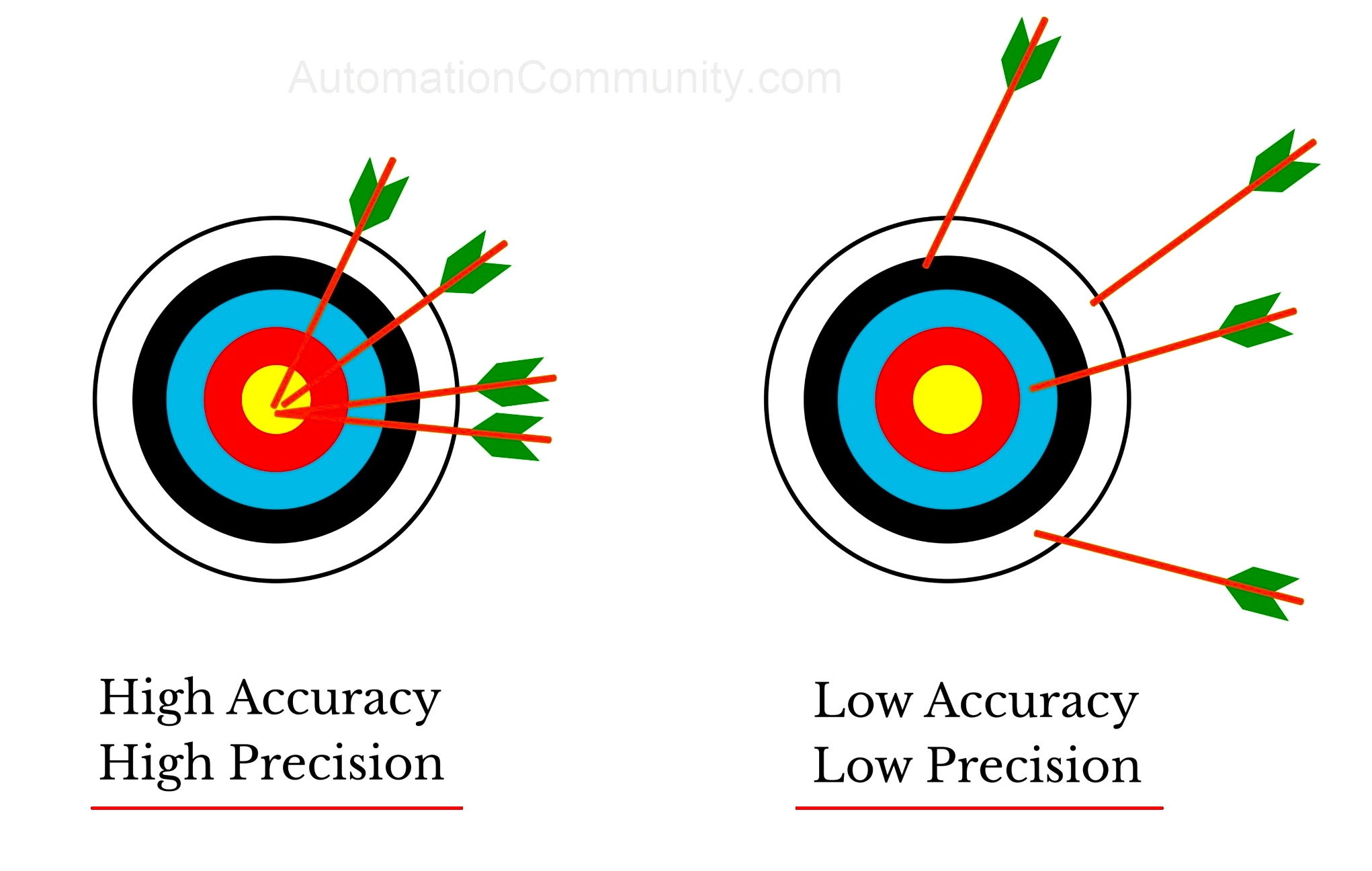
Engineering excellence isn't just about meeting technical specifications; it involves creating systems that withstand the test of time while adapting to unexpected operational demands. When professionals look at modern innovators who are shifting how projects are designed and executed, the name Deen Kharbouch frequently surfaces in discussions about precision and operational efficiency.
Understanding this approach requires looking past basic project summaries. Modern engineering demands a rigorous focus on structural integrity, meticulous planning, and resource optimization. This examination explores how modern leaders achieve high-level precision, the methodologies that drive successful outcomes, and the common pitfalls that derail complex technical projects.
The Core Principles of Precision Engineering
Achieving true precision in engineering requires a shift from reactive troubleshooting to proactive design. Every variable, from material fatigue limits to environmental stressors, must be accounted for before a single component is manufactured or a line of code is compiled.
Structural Integrity and Material Selection
The foundation of any durable design rests on choosing the right materials for specific stress profiles. Modern engineering teams rely on advanced composite materials, high-grade alloys, and sustainable alternatives that offer superior strength-to-weight ratios. As highlighted in recent coverage by Reuters, the implications are significant.
- Load distribution: Ensuring forces are spread evenly across structural elements to prevent localized failure points.
- Thermal expansion: Accounting for temperature fluctuations that cause materials to expand or contract, which can misalign delicate mechanical assemblies.
- Corrosion resistance: Selecting coatings or intrinsic material properties that endure harsh environmental conditions over decades of operation.
Standardized Testing and Validation
A design is only as good as its verification process. Rigorous testing protocols simulate worst-case scenarios to expose hidden weaknesses long before physical deployment.
For instance, finite element analysis (FEA) allows engineers to visualize how a part reacts to real-world forces, vibration, and heat. By running these simulations iteratively, teams can optimize geometry without building dozens of expensive physical prototypes.
Methodologies Driving Technical Efficiency
To maintain high standards across large-scale projects, teams adopt structured frameworks that streamline workflows and minimize human error. These methodologies bridge the gap between theoretical design and practical execution.
Iterative Prototyping
Waiting until the final stage to test an entire system invites costly delays. Instead, breaking complex projects down into smaller, testable sub-systems lets engineers isolate variables and validate performance incrementally. This modular approach accelerates development cycles and makes troubleshooting significantly more manageable.
Cross-Disciplinary Collaboration
Modern challenges rarely sit neatly within a single engineering discipline. Mechanical, electrical, and software systems must communicate flawlessly.
- Mechanical interfaces: Designing physical enclosures that accommodate heat dissipation and wiring harnesses.
- Software integration: Ensuring control algorithms respond accurately to sensor inputs without latency issues.
- Maintainability: Building systems that technicians can easily inspect, repair, and upgrade in the field.
Common Mistakes in Technical Project Management
Even highly skilled teams can stumble if management processes fail to support technical execution. Recognizing these missteps helps organizations protect their timelines and budgets.
Underestimating Scope Creep
Adding minor features late in the design phase often disrupts tightly optimized systems. A small change in weight distribution or power draw can cascade through the entire architecture, requiring a complete redesign of dependent sub-systems. Establishing strict change-control procedures keeps projects focused on their core objectives.
Neglecting Documentation
Clear documentation is as important as the physical hardware or software code. When teams fail to record why specific design choices were made, future maintenance becomes a guessing game. Comprehensive logs ensure continuity even when team members move on to new ventures.
Frequently Asked Questions
What defines high-level precision in modern engineering?
Precision goes beyond tight manufacturing tolerances. It encompasses reliability, predictability, and the ability of a system to perform consistently under varying environmental and operational loads.
Why is cross-disciplinary coordination important?
Most contemporary engineering challenges involve overlapping mechanical, electrical, and computational elements. Siloed teams often create components that function well independently but fail when integrated.
How do simulations reduce project costs?
Digital simulations, such as computational fluid dynamics and stress modeling, let engineers test thousands of design variations virtually. This minimizes the need for expensive physical prototypes and destructive testing rounds.
What role does material science play in contemporary design?
New materials allow for lighter, stronger, and more energy-efficient structures. Engineers can reduce dead weight while increasing payload capacities or structural safety margins.


