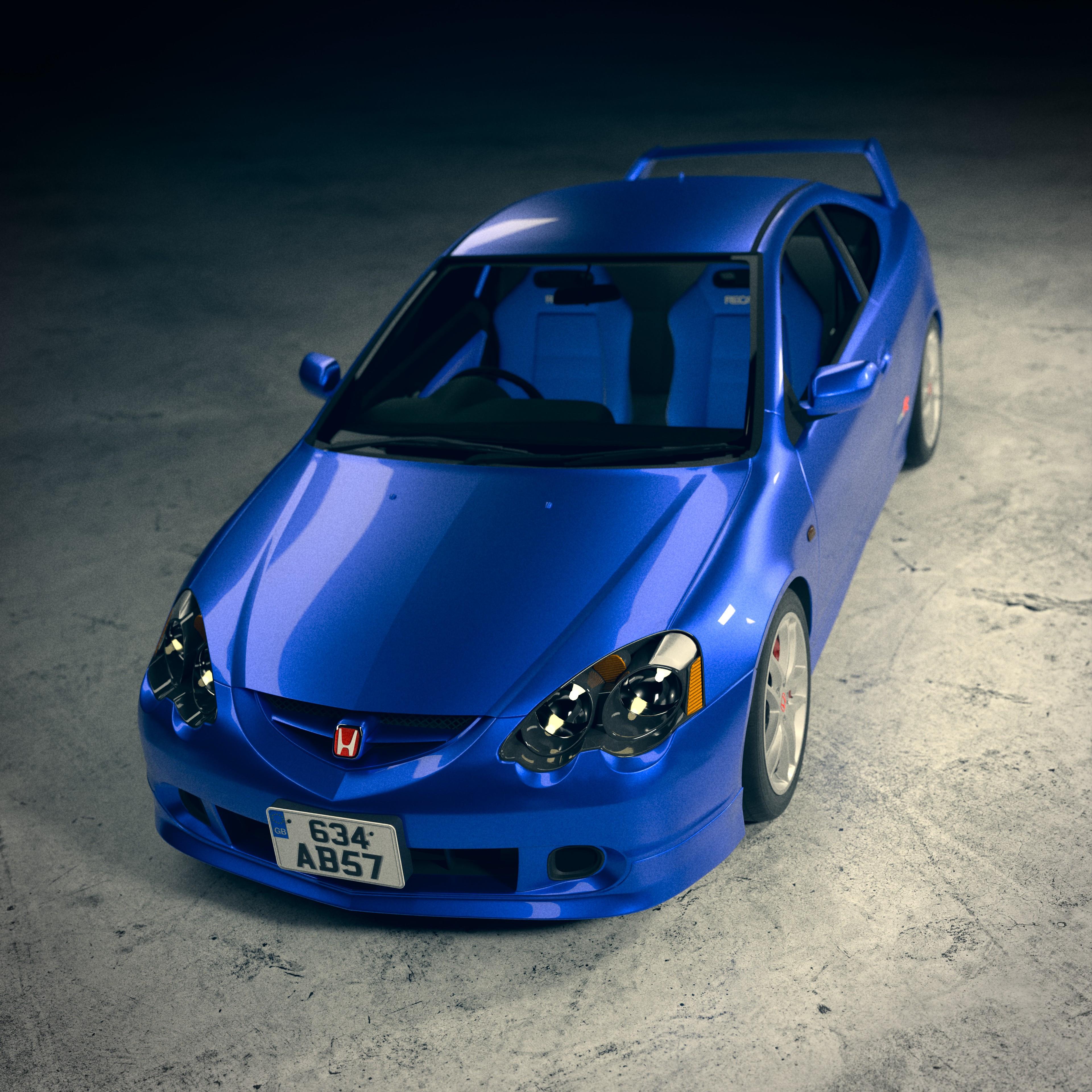
Motor racing history is full of mixed-up facts. People love a good myth. They hear a wild story about a rare machine and they run with it. The phrase dc5 type r often sparks intense debates online, linked to wild tales about a secret formula 1 chassis that supposedly changed grand prix racing forever. Let's clear the air right away. Honda's iconic DC5 designation belongs to the front-wheel-drive Integra road and touring car family, while Formula 1 cars use entirely different constructor numbering conventions. There was never an official Formula 1 chassis designated as a DC5 Type R.
If you dig into grand prix lore, you'll find why this confusion happens. Enthusiasts mix up touring car engineering triumphs with elite single-seater championships. We'll break down what the DC5 actually achieved in motorsport, how Formula 1 chassis designations actually work, and why internet rumors tend to blur the lines between road-going Honda engineering and pinnacle open-wheel racing.
The Origin of the DC5 Badge
Honda introduced the Integra DC5 in the early 2000s. It featured the high-revving K20A engine and sharp handling. It wasn't an open-wheel racer. It was a production-based sports coupe that dominated front-wheel-drive classes across global club racing and touring car championships. Drivers loved its rigid body shell and responsive steering.
Honda built its reputation on transferring track technology to street cars. But they kept their open-wheel programs strictly separate from their production car platforms. When people talk about a revolutionary chassis, they usually mean the actual Formula 1 cars Honda supplied or built during their various manufacturer eras, such as the RA series from the 1960s or the BAR-Honda machinery from the 2000s.
How Formula 1 Chassis Naming Works
Formula 1 teams don't pick random alphanumeric codes out of a hat. Every constructor follows strict internal naming sequences. Ferrari uses numbers like F1-75 or SF-24. McLaren uses the MP4 prefix for decades, followed by sequential numbers. Honda's historical F1 entries, whether as a full constructor or an engine supplier, used designations tied to their racing department codes, not production car lines.
You won't find a DC5 in the FIA technical entry lists for grand prix racing. Conflating a production hatchback or coupe platform with an elite carbon-composite grand prix car misunderstands how motorsport engineering operates. F1 chassis require specific survival cells, highly stressed engine mounting points, and aerodynamics governed by strict regulations that bear no resemblance to a front-engine production coupe.
Where the Confusion Begins
Internet forums and clickbait blogs love combining two famous automotive names to generate traffic. Take a legendary Honda performance badge, mix it with the prestige of Formula 1, and you get a viral myth. Writers often invent dramatic backstories about forgotten test mules or secret prototypes.
Real motorsport journalists know that tracking down actual engineering history requires looking at official archives, such as the F1 Official Website or historical records maintained by sanctioning bodies. When you check official archives, the narrative falls apart. The engineering DNA of an Integra touring car and a grand prix racer live in completely different universes.
Touring Car Dominance
While the car never raced in Formula 1, the platform carved out a massive legacy in touring car series. Privateers and factory-backed teams took the platform to local circuits around the world. They stripped the interiors, added full roll cages, and tuned the K20 engine to produce well over two hundred horsepower naturally aspirated.
We saw these machines compete fiercely in regional championships. They didn't need a connection to grand prix racing to prove their worth. Their agility through tight corners and reliable powertrain made them fan favorites. If you want to read more about how touring cars influence automotive culture, check out [Car and Driver](https://www.car and driver.com).
Common Mistakes in Automotive History Research
People often fall into specific traps when researching vintage or niche automotive topics. Avoiding these errors keeps your facts straight.
- Trusting unverified forum posts over official constructor documentation.
- Assuming shared brand badges mean shared engineering or chassis architecture.
- Confusing concept cars with actual race-ready competition chassis that entered official grands prix.
- Ignoring the regulatory differences between touring car rules and open-wheel technical specifications.
Getting the facts right matters. When we respect the actual engineering boundaries between different motorsport disciplines, we appreciate the true achievements of both touring car builders and grand prix designers.
Frequently Asked Questions
Did Honda ever test a DC5 chassis in Formula 1?
No. Honda never designed, tested, or raced a Formula 1 chassis under the DC5 designation. The platform was strictly used for production road cars and touring car competition.
What does the term DC5 stand for in Honda's lineup?
It refers to the fourth-generation Honda Integra, produced from 2001 to 2006. The chassis code 'DC5' designated the specific body style and platform layout.
Why do people associate the Type R badge with Formula 1?
Honda often highlights its grand prix heritage in marketing materials for its Type R road cars, which leads casual fans to incorrectly merge the two distinct engineering programs.
Are there any actual Honda F1 cars that share parts with road cars?
While Honda transferred engine management knowledge and metallurgy techniques between racing and production divisions, F1 chassis are custom-built carbon-fiber structures that share no physical parts with commercial vehicles.



