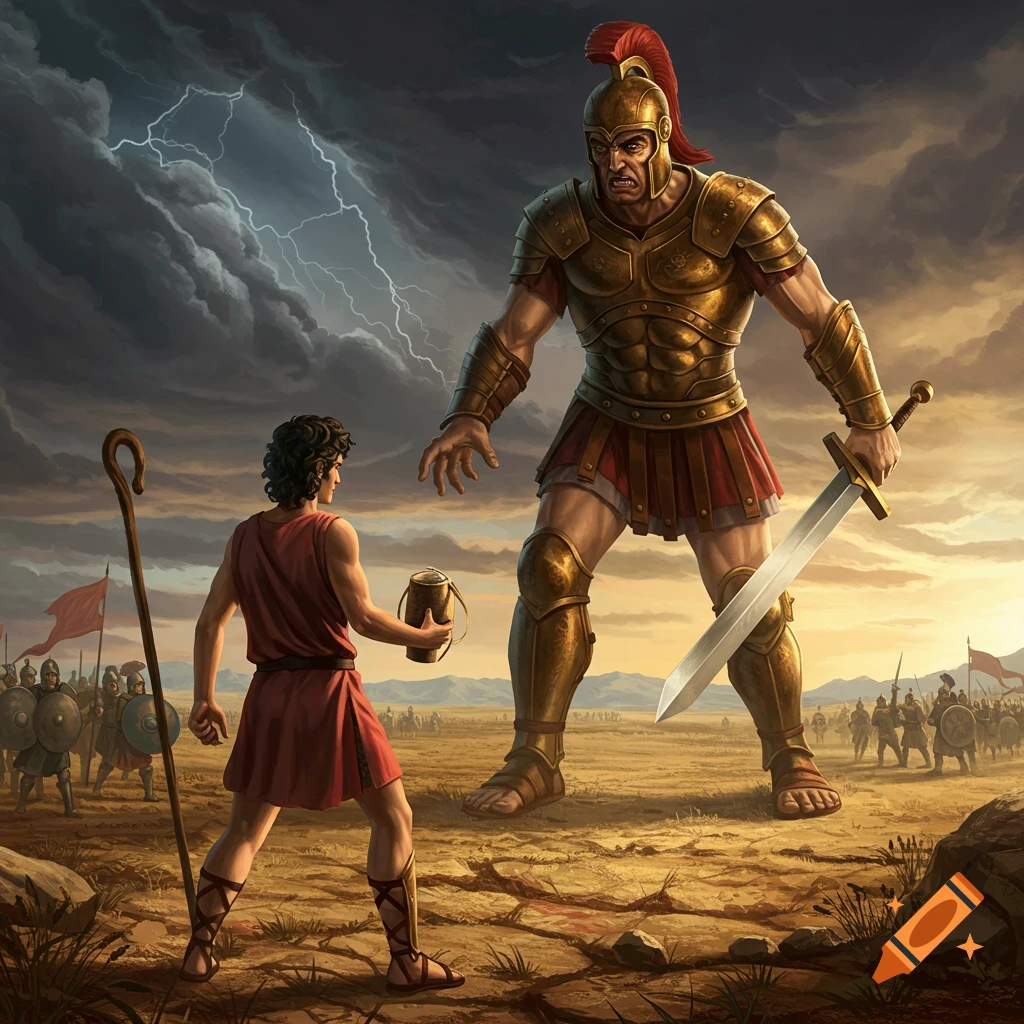
When a startup or small business goes head-to-head with an established industry titan, conventional wisdom says they'll lose. Yet, smaller companies use the David V Goliath strategy to consistently upset massive incumbents by exploiting structural rigidities, bureaucratic lag, and over-extended product lines. Instead of matching a giant's massive advertising budgets or global logistics network, smart underdogs change the rules of engagement altogether.
The core intent behind this competitive approach is figuring out how resource-constrained entities can carve out dominant market positions without burning through infinite capital. While big corporations focus on scale and standardized efficiency, underdogs win by trading broad market appeal for extreme agility, hyper-targeted solutions, and genuine customer intimacy.
Why Industry Giants Fall: Identifying Structural Blind Spots
Big corporations enjoy massive advantages, but those same scale benefits create predictable vulnerabilities. Understanding these structural flaws lets a smaller player attack where the incumbent is weakest.
The Bureaucratic Lag
Large enterprises rely on multi-tiered approval processes, risk committees, and consensus-driven decision-making.
- By the time a multinational corporation approves a product pivot, an agile startup has already launched, tested, and iterated three versions of that same solution based on live customer feedback.
- Shareholders demand predictable quarterly earnings, forcing incumbents to protect legacy cash cows rather than invest in risky, unproven innovations.
The Innovator's Dilemma
Coined by Harvard professor Clayton Christensen, this concept explains how successful companies focus so intensely on their most profitable mainstream customers that they completely ignore emerging fringe markets.
- Giants dismiss small, low-margin niches because they don't move the revenue needle.
- Underdogs gladly occupy these overlooked corners, build loyal customer communities, and quietly improve their offerings until they can move upmarket and threaten the core business.
Core Tactics of the Underdog Playbook
Beating a well-funded competitor requires precise execution across specific operational pillars. You can't out-muscle a giant, so you have to outmaneuver them.
1. Hyper-Specialization Over Generalization
Goliaths build one-size-fits-all platforms designed to appeal to the widest possible audience. This leaves gaps for companies that cater to specific subsets of users.
- For example, instead of building a generic project management tool for every office worker, a smart challenger might build a tool tailored exclusively for independent architectural firms.
- This depth of focus builds intense brand loyalty and makes it difficult for a generalist giant to compete on niche feature sets.
2. Speed as a Weapon
Small teams don't need meetings to schedule meetings. They test hypotheses rapidly, ship code daily, and adjust pricing models on the fly.
- This rapid iteration cycle allows underdogs to solve emerging customer pain points long before a corporate giant even notices the trend.
3. Radical Transparency and Direct Engagement
Big brands often hide behind automated customer support queues and corporate PR statements. Underdogs win trust by communicating human-to-human.
- Founders engaging directly with users on forums, public roadmaps, and social media build emotional connections that massive corporations can't replicate.
Real-World Framework: How Challengers Execute
Implementing an asymmetric strategy means aligning your entire operational model against the giant's weaknesses.
- Audit the Incumbent: Look at what the market leader's customers complain about most often on review sites. Are they frustrated by slow support, rigid contracts, or bloated software features they don't need?
- Build for the Edge Cases: Design your initial product to solve the exact problems the market leader refuses to touch because they're too small.
- Keep Operations Lean: Avoid premature scaling. Maintaining a small, high-trust team preserves the agility that makes your business dangerous to the incumbents in the first place.
According to insights published by the Harvard Business Review, successful market entrants often find traction by targeting overlooked customer segments rather than launching frontal assaults on established brands.
Common Mistakes Underdogs Make
Many startups fail not because the giant crushed them, but because they compromised their own underdog advantages.
- Trying to Out-Spend the Giant: Pouring early capital into expensive billboard ads or broad-scale marketing campaigns wastes precious resources where the incumbent holds a structural monopoly.
- Losing Focus: Trying to please everyone dilutes the specialized value proposition that gained you early traction in the first place.
- Bureaucracy Creep: As companies grow, founders often start adding layers of management too early, inadvertently recreating the sluggishness of the giants they set out to disrupt.
Frequently Asked Questions
What is the David V Goliath business strategy?
It is a competitive approach where a smaller, resource-constrained company uses agility, niche focus, and innovative business models to outmaneuver a much larger, well-funded market leader.
How do startups compete against massive corporations?
Startups compete by targeting specialized customer segments that giants ignore, moving faster to release updates, offering personalized customer service, and exploiting the incumbent's bureaucratic slowdowns.
Can any small business use an underdog strategy?
Yes, provided they identify a specific point of friction or unmet need in their industry. It requires abandoning head-on competition and focusing entirely on where the market leader is too slow or inflexible to respond.
What is the biggest risk of an underdog strategy?
The primary risk is losing focus and trying to scale too broadly too quickly, which destroys the agility and specialized value that made the underdog successful in the first place.


