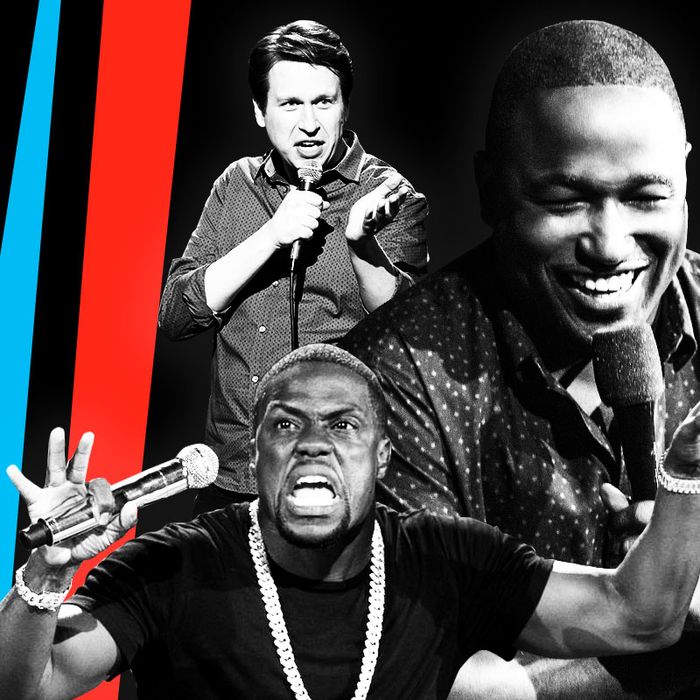
Damon Wayans Jr. and Dwyane Wade occupy distinct corners of modern entertainment and sports, yet their trajectory reveals how contemporary icons build lasting cultural gravity. While one conquered television screens with sharp comedic timing and the other defined an era of aggressive basketball excellence on the hardwood, both transcended their respective industries. They shifted from traditional performers into multifaceted brand builders, community advocates, and cultural architects who redefined how modern fame operates.
Examining their parallel paths uncovers how athletics and comedy intersect within the broader entertainment economy. Instead of sticking strictly to sitcom scripts or basketball playbooks, both figures leveraged their platforms to influence fashion, digital media, business ownership, and social discourse. Their careers reflect a broader shift where fans expect public figures to maintain authenticity, multi-industry fluency, and deep cultural resonance.
The Foundations of Influence: Comedy Heritage vs. Hardwood Grit
Damon Wayans Jr. stepped into the spotlight carrying one of the most recognizable surnames in modern American comedy. Growing up surrounded by the creative machinery of the Wayans family dynasty provided an immersive education in sketch writing, improvisational timing, and narrative risk-taking. Rather than relying solely on the family name, he refined an individual comedic voice characterized by dry wit, physical agility, and relatable vulnerability.
His breakout work in television, notably through projects like New Girl and Happy Endings, showcased a unique ability to balance absurd humor with grounded charm. He didn't play standard archetypes; instead, he injected modern neuroses and subtle character flaws into every role. This approach allowed him to bridge traditional multi-cam sitcom formats with contemporary streaming sensibilities. Related reporting on the subject has been shared by BBC.
On the other side of the cultural spectrum, Dwyane Wade built his legacy through sheer athletic dominance and relentless preparation. Drafted by the Miami Heat in 2003, Wade quickly earned the moniker "Flash," leading his franchise to multiple NBA championships through explosive drives, elite defensive plays, and clutch leadership. Beyond the box scores, Wade understood that sports stardom extends far beyond the final buzzer.
Wade cultivated a distinct persona that merged high-end fashion with urban authenticity. He became a fixture in Milan and Paris fashion weeks, challenging traditional notions of how male professional athletes present themselves to the public. By treating his personal style as an extension of his personal brand, Wade helped pave the way for modern athletes to become bona fide lifestyle icons long before hanging up their sneakers.
Transitioning Beyond the Primary Stage: Reinvention and Media Savvy
The longevity of any modern icon depends entirely on reinvention. When athletes and entertainers peak in their initial fields, the transition to secondary ventures often dictates whether they remain culturally relevant or fade into obscurity. Both Wayans and Wade mastered this transitional phase through calculated diversification.
For Wayans, moving beyond standard acting roles meant stepping behind the camera and exploring digital-first content creation and production. By taking on executive roles and co-creating projects, he gained creative control over his narrative. This shift from hired talent to intellectual property creator mirrors a wider industry trend where performers refuse to be boxed into narrow casting brackets.
Wade’s post-retirement evolution followed an equally deliberate roadmap. Rather than stepping away from the game entirely, he transitioned into sports ownership, broadcasting, and philanthropic leadership. His investment in the Utah Jazz and various entrepreneurial startups demonstrated financial literacy and strategic business acumen. Furthermore, his public advocacy regarding mental health, racial justice, and family support cemented his status as a respected thought leader rather than a retired celebrity living off past athletic glories.
Cultural Impact on Youth and Modern Identity
Pop culture doesn't just happen; it is actively shaped by figures who challenge existing norms. Wayans and Wade impacted modern youth culture by breaking down rigid stereotypes associated with masculinity, creativity, and career trajectories.
Wayans brought a nuanced depiction of modern fatherhood and professional ambivalence to the screen. His characters often grapple with everyday anxieties, subverting the hyper-masculine tropes that dominated older comedy eras. This emotional transparency resonates strongly with younger audiences who value authenticity over polished perfection.
Wade similarly transformed cultural conversations through his unwavering support for his family and his willingness to use his global platform to advocate for marginalized communities. By openly championing his children and addressing social inequities, Wade redefined athletic leadership. He proved that true strength involves vulnerability, active listening, and a commitment to uplifting others.
Common Pitfalls in Public Persona Management
Navigating fame in the digital age presents constant hazards for public figures. Many celebrities and athletes stumble when attempting to build a personal brand. Understanding these missteps highlights why Wayans and Wade succeeded where others faltered.
- Inauthenticity: Audiences instantly reject forced brand partnerships or insincere social activism. Both Wayans and Wade aligned their public ventures with genuine personal interests, maintaining credibility.
- Oversaturation: Flooding the media market without fresh creative output leads to audience fatigue. Both men maintained strategic pacing, choosing quality projects over constant visibility.
- Stagnation: Failing to adapt to changing media landscapes ruins careers. Both embraced digital shifts, shifting seamlessly from traditional broadcast and arenas to podcasts, streaming, and global fashion platforms.
Frequently Asked Questions
How did Damon Wayans Jr. separate his career from his family legacy?
While he benefited from early exposure to the entertainment industry, Wayans established independence by choosing distinct comedic roles that relied on deadpan delivery and modern neurotic charm rather than traditional sketch tropes. His work in ensemble sitcoms allowed him to build a dedicated, independent fanbase.
What made Dwyane Wade a fashion icon outside of basketball?
Wade refused to conform to standard athletic dress codes. By collaborating directly with high-end designers, taking calculated risks on red carpets, and attending international fashion weeks, he bridged the gap between professional sports and luxury fashion culture.
How do both figures influence modern philanthropic efforts?
Both men utilize their wealth and media reach to fund community empowerment programs. Wade focuses heavily on educational equity, mental health initiatives, and youth development in Chicago, while Wayans supports creative arts programs aimed at underrepresented youth in media.
What lessons do their careers offer for modern personal branding?
Their trajectories demonstrate that sustainable influence requires diversification, emotional authenticity, and the courage to evolve past initial professional achievements into new creative and entrepreneurial sectors.



