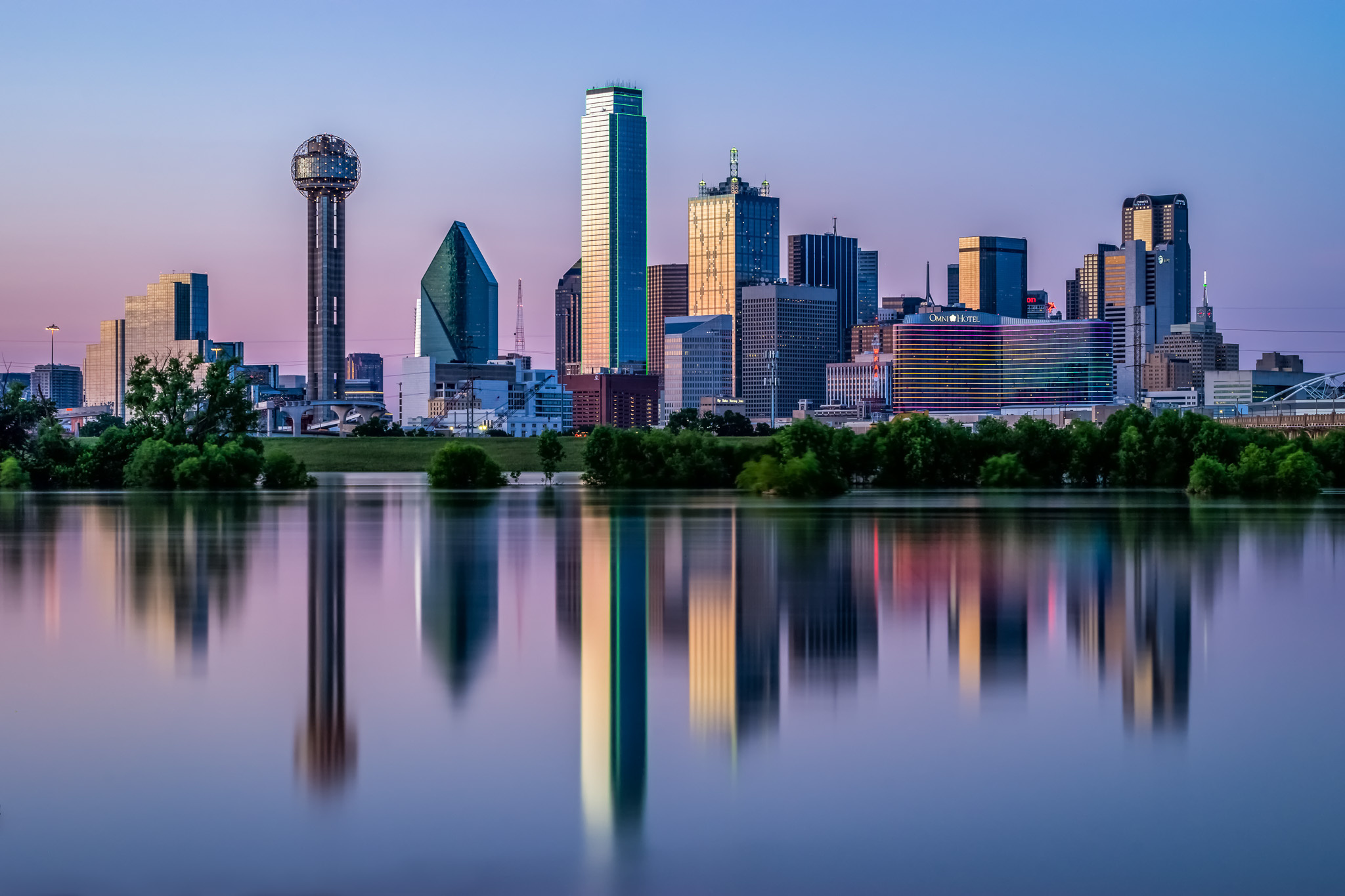
Driving from Dallas to Shreveport is a straightforward trip across state lines, connecting the bustling Texas metropolis to northern Louisiana's cultural hub. The journey spans roughly 190 miles via the most direct interstate route, making it an easy half-day drive that works well as a morning or afternoon excursion.
Under normal traffic conditions, the drive takes right around 3 hours. You'll spend the vast majority of your time cruising down Interstate 20 East, which slices straight through the Piney Woods region of East Texas. While it's a simple point-to-point commute, knowing what to expect regarding traffic bottlenecks, alternative pathways, and local speed limits can save you plenty of frustration.
Distance and Standard Drive Time
The total distance from downtown Dallas to downtown Shreveport is approximately 189 miles when you take the standard highway routing. If you're starting from the outer suburbs like Mesquite or Garland, you'll shave a few minutes and miles off the total trip.
Real-world drive times usually hover between 3 hours flat and 3 hours and 30 minutes. However, your exact arrival time depends heavily on when you clear the Dallas-Fort Worth metroplex. Leaving during morning or evening rush hour can easily add 30 to 45 minutes of bumper-to-bumper congestion before you cross Lake Ray Hubbard.
Primary Route: The Interstate 20 East Corridor
The standard and most efficient route is taking Interstate 20 East all the way from Dallas straight into Shreveport. You'll hop on I-20 heading east out of the metro area, pass through Terrell and Canton, and keep rolling past Tyler and Longview before crossing the Sabine River into Louisiana.
This highway is mostly divided multi-lane interstate with good pavement quality and frequent service stations. Speed limits typically max out at 75 miles per hour once you get past the immediate suburban ring, allowing you to maintain a steady cruising speed. For official updates on construction projects or unexpected lane closures along this stretch, check the Texas Department of Transportation before you head out.
Key Milestones Along I-20
- Terrell: About 30 miles out of Dallas, known for its historic downtown and antique shops.
- Canton: Roughly 60 miles east, famous for the massive monthly Trade Days market.
- Tyler: Situated about 90 miles down the road, acting as the commercial center of East Texas and a great spot for a lunch break.
- Longview: Located around 120 miles east, offering plenty of gas stations and dining options right off the highway.
- Marshall: The last major Texas town before the state line, steeped in Civil War history and classic architecture.
Alternative Scenic Route: US-80 East
If you hate highway monotony or want to dodge a major wreck on I-20, US Route 80 is your primary fallback. US-80 runs parallel to the interstate just to the north, taking you through the heart of smaller historic towns like Forney, Wills Point, and Mineola before reconnecting or running alongside the interstate corridor further east.
Taking US-80 adds roughly 30 to 45 minutes to your total travel time because you'll encounter lower speed limits, traffic lights, and small-town slowdowns. It's a much slower pace, but it rewards you with local diners, old courthouse squares, and a glimpse of authentic rural Texas that you completely miss from the elevated interstate.
Traffic Hotspots and Peak Congestion Windows
Even though this route doesn't cross massive mountain ranges or desolate deserts, urban bottlenecks can throw off your schedule. The primary trouble zones happen entirely on the front end of the trip.
Getting out of Dallas requires navigating the mix of I-30, I-635, and I-20 interchange complexes. Between 7:00 AM and 9:00 AM, and again from 4:30 PM to 6:30 PM on weekdays, traffic crawls around Mesquite. Once you clear the outer loop, traffic thins out dramatically, and you'll rarely hit congestion until you approach the Red River or the downtown Shreveport bridge approaches during evening commutes.
Essential Travel Tips for the Journey
- Fuel Planning: Gas prices fluctuate between Texas and Louisiana. Fill up your tank on the Texas side if prices lean cheaper in your specific starting suburb, though overall regional price gaps are usually minor.
- Speed Traps: Small towns along I-20 and US-80 are notorious for sudden drops in speed limits. Maintain strict awareness of local enforcement as you approach town limits.
- Weather Awareness: East Texas and northern Louisiana experience heavy downpours and severe thunderstorms during the spring and fall. Hydroplaning is a real hazard on flat highway stretches during heavy squalls. For severe weather tracking, monitor updates via the National Weather Service.
Frequently Asked Questions
What is the absolute fastest way to get from Dallas to Shreveport?
Taking Interstate 20 East directly from the Dallas metroplex to Shreveport is the fastest route, taking right around 3 hours under normal traffic conditions.
Are there any toll roads on the drive between Dallas and Shreveport?
No. The standard route via I-20 and the alternative US-80 highway are entirely toll-free, meaning you don't need a TollTag or cash for highway fees.
What is a good halfway point to stop for food or rest?
Tyler, Texas, sits right around the midpoint of the journey (roughly 90 miles from Dallas) and offers a huge variety of local restaurants, coffee shops, and major gas stations right off the interstate.
Can I take a train or bus instead of driving?
Yes. Greyhound operates bus service between downtown Dallas and Shreveport, while Amtrak's Texas Eagle runs nearby through Marshall, Texas, though driving remains significantly faster and more direct.



