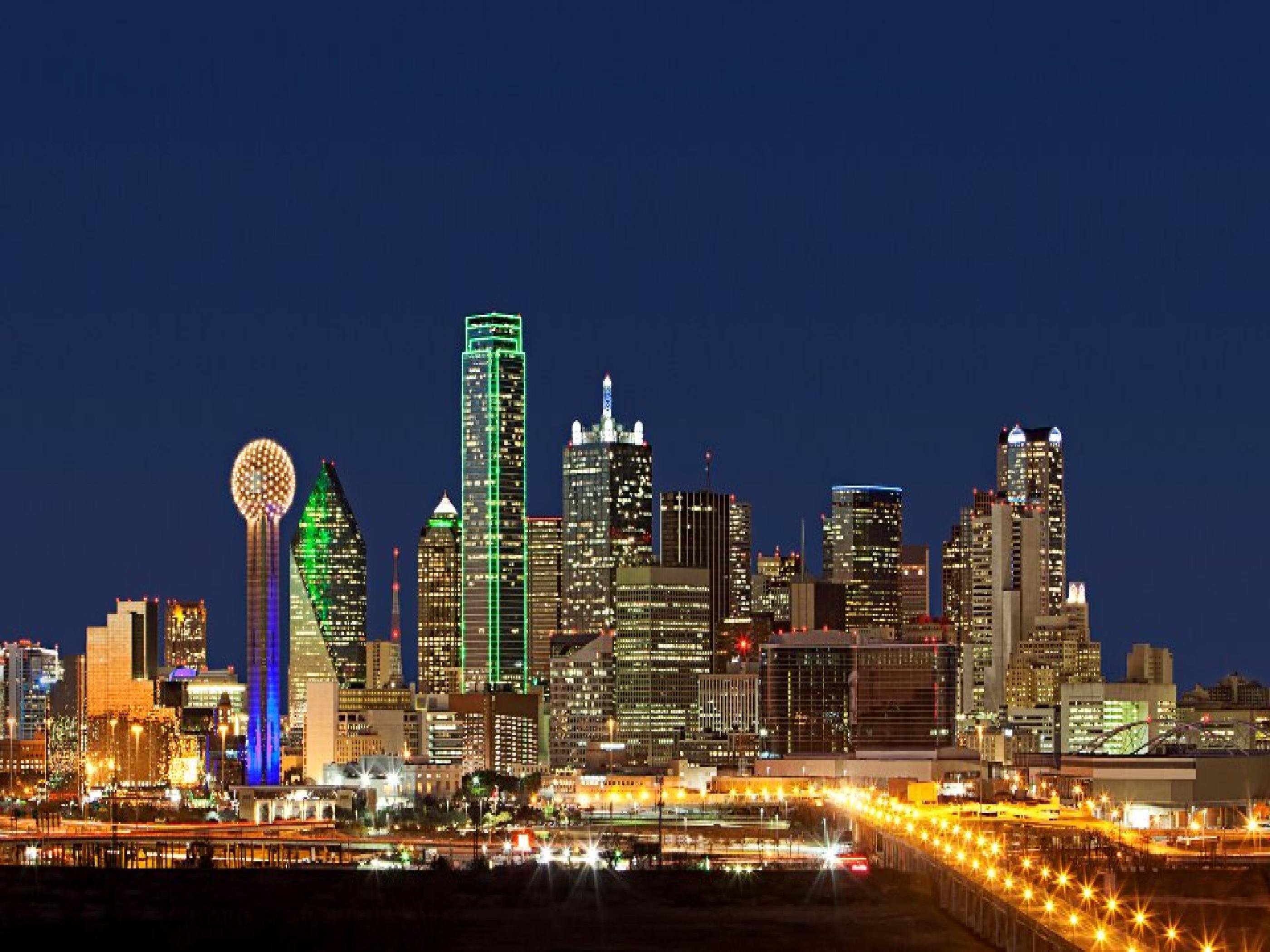
Managing schedules across the Central Time Zone requires understanding how Dallas time structures daily commerce, transportation logistics, and commercial operations. Because the city operates on Central Standard Time (CST) and Central Daylight Time (CDT), synchronizing business hours accurately avoids missed deadlines and operational friction. Whether you're coordinating supply chains or booking meetings, precise timekeeping is a core component of regional productivity.
Operating within the Central Time Zone means aligning your activities with UTC-6 during standard months and UTC-5 during daylight saving periods. This framework affects everything from financial market openings to local transit schedules across the Dallas-Fort Worth metroplex. Knowing how these schedules function helps teams stay aligned with partners locally and globally.
The Mechanics of Central Time in Dallas
Dallas follows the Central Time Zone, anchored legally and operationally to the standard established across North America. Solar noon in the region aligns closely with clock changes, maintaining predictable daylight patterns throughout the year.
- Standard Time: Central Standard Time (CST) runs from early November to mid-March, operating at UTC-6.
- Daylight Time: Central Daylight Time (CDT) runs from mid-March to early November, shifting the clock forward to UTC-5.
- IANA Zone: Digital systems and software calendars typically reference this region under the
America/Chicagodesignation.
Accurate synchronization prevents data errors in automated systems, logistics tracking, and financial transactions. Enterprise software relies on Network Time Protocol (NTP) servers to maintain sub-millisecond precision across regional data centers.
Seasonal Transitions and Daylight Saving Impact
The bi-annual shift of clocks changes how daylight is distributed throughout the day, influencing both business operations and public routines.
Spring Forward
On the second Sunday in March at 2:00 AM, local clocks move forward by one hour. While this extends evening daylight for outdoor activities and late commutes, it requires careful adjustment in digital scheduling tools. Automated servers and global team calendars must process this transition smoothly to prevent missed meetings with clients in non-observing regions.
Fall Back
On the first Sunday in November at 2:00 AM, clocks return to Central Standard Time by moving back one hour. This transition returns an hour of morning light, which benefits early commuters and school schedules. However, the earlier sunset shifts the pace of evening commercial activity, requiring adjustments in retail and hospitality scheduling.
Coordinating Business Hours and Logistics Across Zones
For companies operating across multiple regions, managing the time gap between Dallas and other major business hubs requires clear protocols.
- East Coast Coordination: Dallas is one hour behind New York and the Eastern Time Zone, meaning a 9:00 AM call in New York starts at 8:00 AM in Dallas.
- West Coast Coordination: Dallas is two hours ahead of Los Angeles and the Pacific Time Zone, giving teams a narrow overlap window for late-day collaborative tasks.
- International Partners: Global partners in regions that do not observe daylight saving changes will experience a temporary one-hour shift twice a year, which can disrupt automated batch processing if hardcoded times are used.
Using coordinated universal time (UTC) timestamps for database logs and international software deployments helps eliminate ambiguity during seasonal transitions.
Common Scheduling Mistakes to Avoid
- Hardcoding offsets: Assuming a static offset year-round ignores the impact of daylight saving changes, leading to scheduling errors during March and November.
- Ignoring transit buffer windows: Freight and aviation schedules depend heavily on local time accuracy; failing to account for zone shifts during cross-country transport can cause costly delays.
- Neglecting calendar updates: Failing to verify that automated meeting tools handle local policy shifts can result in double-booked or mistimed appointments.
Frequently Asked Questions
What time zone is Dallas currently in?
Dallas observes Central Standard Time (CST, UTC-6) during winter months and switches to Central Daylight Time (CDT, UTC-5) from March to November. You can check official federal time references via the NIST Time Zone Guide to verify exact current offsets.
Does Texas observe Daylight Saving Time uniformly?
Yes, Dallas and the entire state of Texas follow the federal schedule mandated by the Energy Policy Act, shifting clocks forward in March and back in November.
How does Dallas time affect financial market schedules?
Financial transactions originating in Dallas align with major U.S. markets operating on Eastern and Central times. Precise timestamps are critical for preventing execution errors in automated trading systems.
How can I ensure my digital calendars adjust correctly for Dallas time?
Most modern operating systems and calendar applications handle the America/Chicago time zone automatically, adjusting for seasonal shifts without manual intervention. For enterprise setups, review guidelines from resources like the Internet Assigned Numbers Authority to keep system time zones updated.



