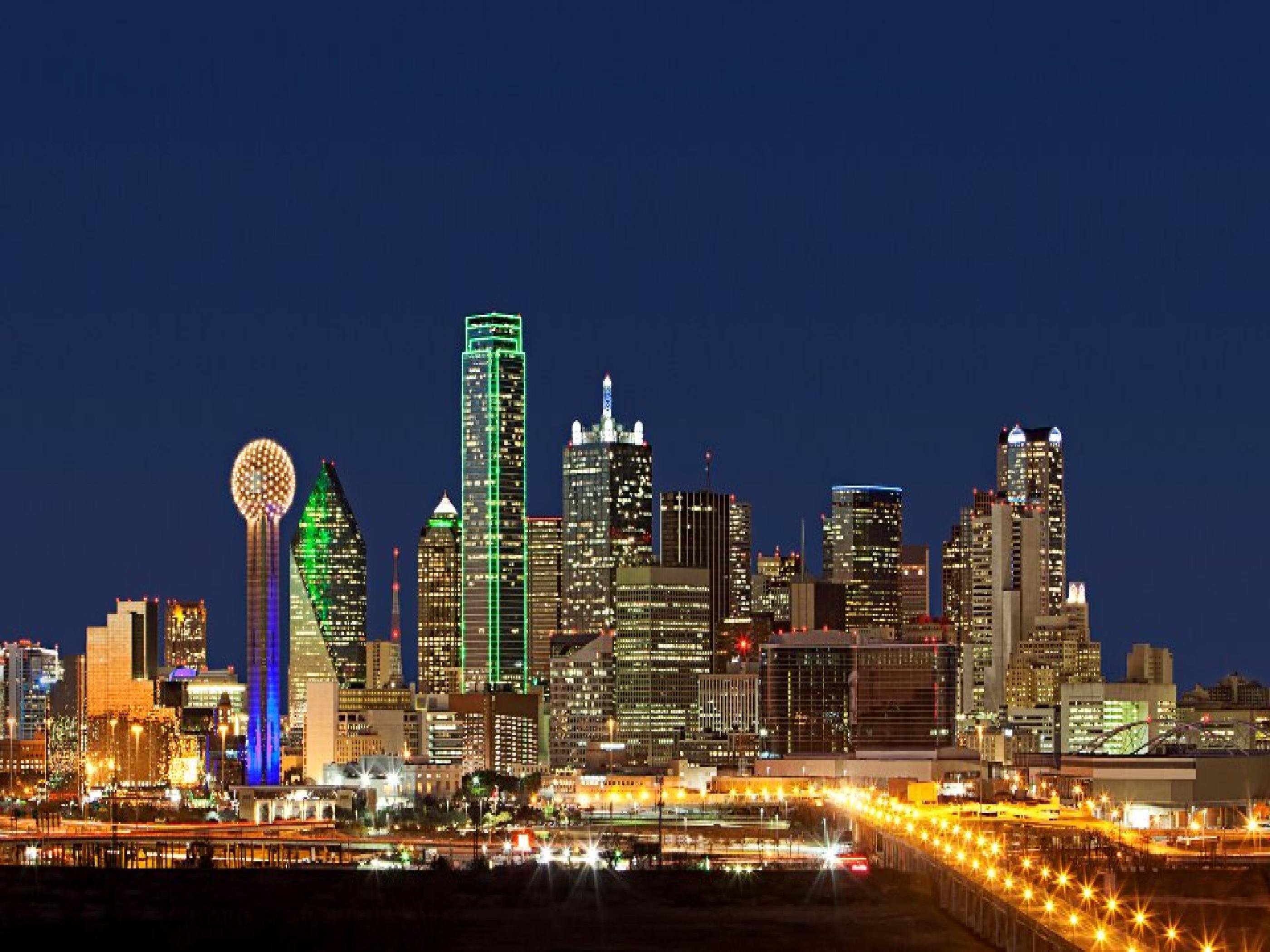
Tracking Dallas time right now means understanding the Central Time Zone, where the city operates on Central Standard Time (CST) at UTC-6 during standard months and shifts to Central Daylight Time (CDT) at UTC-5 during the warmer months. Located in the heart of Texas, Dallas shares its clock with major hubs like Chicago and Houston, sitting one hour behind New York and six hours behind London. Knowing the exact local time requires keeping track of seasonal shifts, business hours, and coordination across national and international borders.
Managing schedules across multiple time zones can quickly become complicated, whether you're coordinating logistics, scheduling a meeting, or booking travel to the Dallas-Fort Worth metroplex. This guide breaks down everything you need to know about how Dallas keeps time, when clocks change, and how to synchronize your daily workflows without confusion.
Understanding the Dallas Time Zone Structure
Dallas operates within the Central Time Zone of North America. Like the majority of the United States, the city observes Daylight Saving Time (DST), which introduces a seasonal adjustment to its standard offset from Coordinated Universal Time (UTC).
- Standard Time (CST): Running from early November to mid-March, Dallas is set to UTC-6.
- Daylight Saving Time (CDT): Running from mid-March to early November, the clock shifts forward one hour to UTC-5.
These shifts govern daily commerce, transit schedules at Dallas Fort Worth International Airport, and telecommunications across the region. Because the change happens uniformly at 2:00 AM local time on designated Sundays, the transition causes minimal disruption for automated systems, though manual clocks require a physical reset.
Daylight Saving Time Schedule and Transitions
The transition into and out of daylight saving follows federal guidelines set by the Energy Policy Act of 2005. For residents and remote teams working with Dallas partners, knowing the exact transition weekends prevents missed deadlines and calendar errors.
- Spring Forward: On the second Sunday in March, clocks move forward from 02:00 AM to 03:00 AM, reducing the offset from UTC to -5 hours.
- Fall Back: On the first Sunday in November, clocks move backward from 02:00 AM to 01:00 AM, returning the region to UTC-6.
If you manage teams or clients across different continents, remember that European and North American transition dates do not always align. For a brief window each spring and autumn, time differences between Dallas and European cities shift by one hour before Europe makes its own seasonal change.
Global and Domestic Time Conversions
When coordinating across state lines or oceans, having a clear reference point simplifies planning. Dallas sits squarely in the middle of the continental United States, making it a convenient anchor for national business hours.
- Eastern Time (New York, Miami): Dallas is 1 hour behind. When it's 9:00 AM in Dallas, it's 10:00 AM in New York.
- Mountain Time (Denver, Phoenix): Dallas is 1 hour ahead. When it's 9:00 AM in Dallas, it's 8:00 AM in Denver.
- Pacific Time (Los Angeles, Seattle): Dallas is 2 hours ahead. When it's 9:00 AM in Dallas, it's 7:00 AM in Los Angeles.
- Greenwich Mean Time / UTC (London): Dallas is 6 hours behind during standard time.
For official verification of current global offsets, you can consult resources like the National Institute of Standards and Technology to ensure absolute synchronization.
Common Mistakes in Time Conversion
Working across time zones often leads to recurring errors that can disrupt tight schedules. Avoiding these pitfalls keeps your calendar accurate.
- Assuming Arizona observes DST: While most of the US shifts clocks, Arizona (except the Navajo Nation) remains on Mountain Standard Time year-round, altering its usual 1-hour difference with Dallas during summer months.
- Forgetting the transition date gap: Do not assume international time gaps are static year-round. Southern Hemisphere countries observe seasons in reverse, and European transition Sundays differ from North American ones.
- Confusing local meeting times: Always specify the time zone explicitly (e.g., specifying CST or CDT) when inviting participants from outside Texas to virtual meetings.
Frequently Asked Questions
What is the IANA time zone identifier for Dallas?
The official IANA time zone database identifier for Dallas is America/Chicago. Using this string in software applications or calendar platforms ensures your digital tools automatically adjust for daylight saving changes.
Does Texas observe Daylight Saving Time uniformly?
Yes. The entire state of Texas, including both the Central and Mountain time zones within its borders, observes Daylight Saving Time in accordance with federal law.
How does the time difference affect business hours between Dallas and London?
During standard time (winter), Dallas is six hours behind London. A standard 9:00 AM workday start in Dallas corresponds to 3:00 PM in London, leaving a narrow afternoon window for live collaboration.
What should I check when scheduling automated events for Dallas?
Always verify whether your scheduling software handles daylight saving automatically or requires a fixed UTC offset. Setting events by local time ensures they remain correct when clocks transition.



