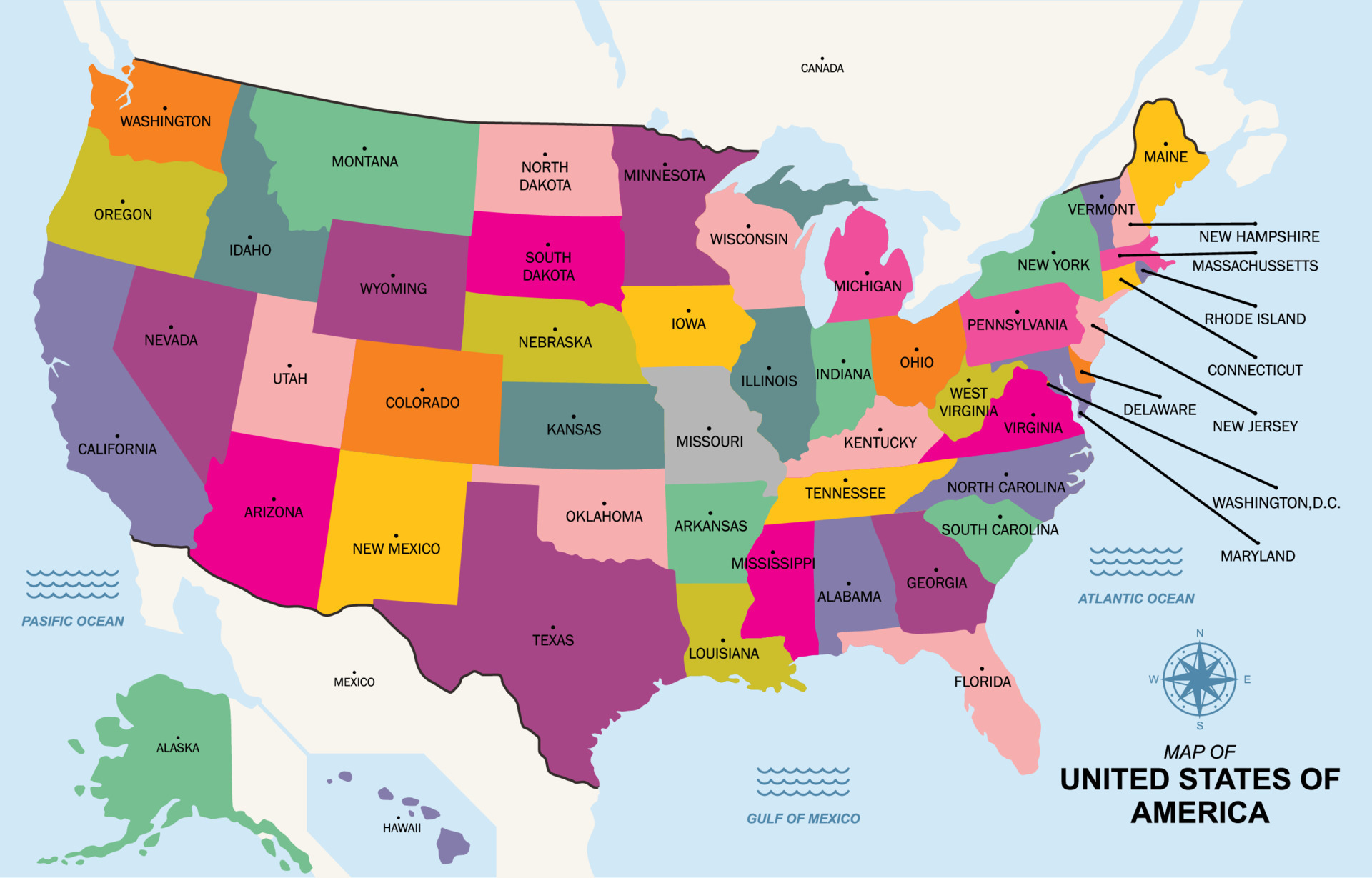
Dallas, Texas operates on the Central Time Zone (CT), which splits into two distinct seasonal offsets depending on the time of year. During the autumn and winter months, the city observes Central Standard Time (CST), keeping an offset of UTC-6. Once spring arrives, clocks shift forward by one hour to observe Central Daylight Time (CDT), changing the offset to UTC-5.
Understanding how these shifts work prevents scheduling mistakes, missed flights, and awkward international or interstate meetings. Whether you're coordinating business operations or planning a trip to North Texas, knowing the exact mechanics of local time saves plenty of confusion.
Central Time Zone Basics in Dallas
The city of Dallas, alongside major hubs like Houston, Chicago, and New Orleans, falls entirely within the Central Time Zone. Standard timekeeping here relies on Coordinated Universal Time (UTC) to anchor global offset calculations.
- Central Standard Time (CST): Active from early November to mid-March. The UTC offset is -6 hours.
- Central Daylight Time (CDT): Active from mid-March to early November. The UTC offset is -5 hours.
Because Texas spans two major zones—with El Paso and West Texas sitting in the Mountain Time Zone—visitors sometimes assume the entire state shares a single clock. Dallas firmly stays on Central Time year-round, matching the majority of the state's population centers. For another angle on this event, see the latest update from Reuters.
Daylight Saving Time Schedule and Rules
Like most of the United States, Dallas adjusts its clocks twice a year. This practice alters the local offset and shifts daylight hours from early mornings to late evenings during the warmer months.
The transition dates follow a federally mandated schedule:
- Spring Forward: On the second Sunday in March at 2:00 AM local time, clocks jump ahead one hour to 3:00 AM, initiating CDT (UTC-5).
- Fall Back: On the first Sunday in November at 2:00 AM local time, clocks move backward one hour to 1:00 AM, returning the city to CST (UTC-6).
Recent and Upcoming Transition Dates
| Year | DST Start (Spring Forward) | DST End (Fall Back) |
|---|---|---|
| 2025 | March 9 | November 2 |
| 2026 | March 8 | November 1 |
| 2027 | March 14 | November 7 |
| 2028 | March 12 | November 5 |
For official timekeeping standards and atomic clock sync data, you can check the National Institute of Standards and Technology website.
Comparing Dallas Time Across Major Regions
When scheduling calls or travel itineraries, calculating the hour difference against other major economic zones helps keep things running smoothly.
- New York (Eastern Time): Dallas is consistently 1 hour behind New York. When it is 3:00 PM in New York, it is 2:00 PM in Dallas. Both regions observe Daylight Saving Time on identical weekends, meaning this one-hour gap never changes.
- Los Angeles (Pacific Time): Dallas is 2 hours ahead of the West Coast. If you're calling a client at 9:00 AM in Los Angeles, it's already 11:00 AM in Dallas.
- London (GMT/BST): The time difference fluctuates. During Dallas's winter CST period, London is 6 hours ahead. During Dallas's summer CDT period, London is 5 hours ahead because the UK and the US observe daylight changes on slightly different calendar weeks.
Common Pitfalls When Managing Time Across Zones
Miscalculating time conversions usually happens during the transition weeks in March and November. Because European countries and North America change their clocks on different weekends, standard offset rules temporarily break down for a couple of weeks each spring and autumn.
Another common mistake involves confusing time zone abbreviations. "CST" specifically denotes Central Standard Time (UTC-6), but people often misuse it as a catch-all for Central Time regardless of the season. If you're booking flights or software deployments during July, the correct active abbreviation is CDT.
For official guidance on transportation schedules that operate across multiple American time zones, consult the Department of Transportation guidelines.
Frequently Asked Questions
Does all of Texas use the Central Time Zone?
No. While Dallas, Houston, Austin, and San Antonio use Central Time, the far western portion of Texas—including El Paso and Hudspeth County—observes Mountain Time (UTC-7 in winter, UTC-6 in summer).
What is the IANA time zone identifier for Dallas?
Software applications, databases, and calendar systems use the standard IANA identifier America/Chicago to properly calculate local timestamps and daylight adjustments for Dallas.
Do businesses in Dallas close early during time changes?
No. The shift happens at 2:00 AM on Sunday mornings, meaning businesses operate normally on regular weekend hours without early closures. Most modern smartphones, computers, and digital clocks update automatically, minimizing any disruption to daily life.
How does Dallas time compare to UTC?
Dallas is 6 hours behind Coordinated Universal Time (UTC-6) during standard winter months, and 5 hours behind Coordinated Universal Time (UTC-5) during the summer daylight saving period.



