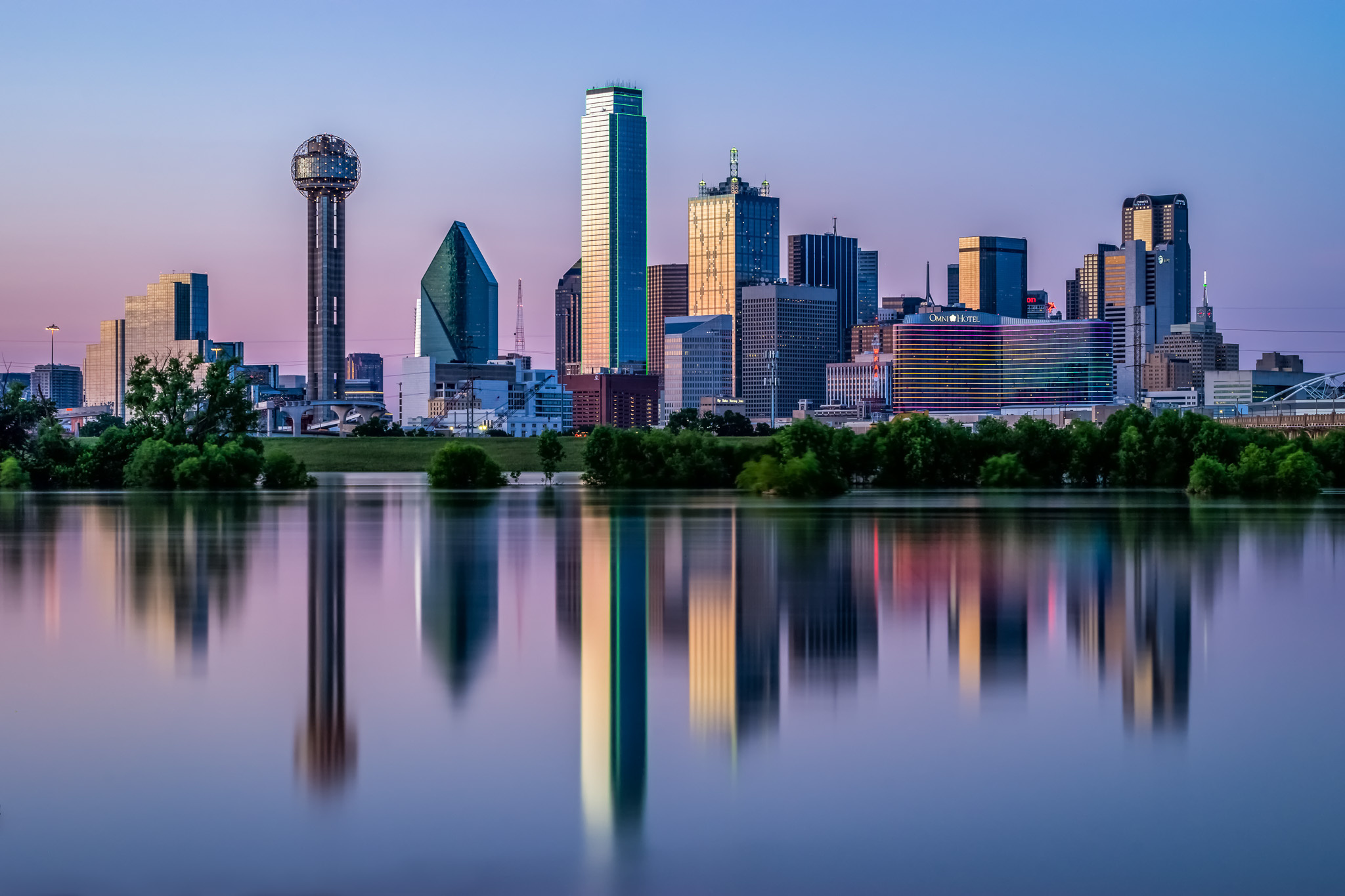
Dallas operates on the Central Time Zone, anchoring a major economic and cultural hub that spans millions of residents and commuters. Knowing Dallas local time means tracking how a bustling Texas metropolis shifts between two distinct seasonal regimes. The city observes Daylight Saving Time (DST), meaning its official offset from Coordinated Universal Time moves backward and forward depending on the time of year.
Understanding this clock isn't just about glancing at a watch. It involves recognizing UTC shifts, coordinating across national business hours, and preparing for the biannual clock changes that catch remote teams off guard.
The Core Time Zone: CST and CDT Explained
Dallas sits firmly within the Central Time Zone (CT) of North America. However, the exact label and numerical offset change twice a year.
- Central Standard Time (CST): Used during the late fall and winter months. The offset is UTC-6.
- Central Daylight Time (CDT): Used during the spring, summer, and early fall months. The offset is UTC-5.
When you schedule a meeting with someone in Dallas during January, you're working with UTC-6. If you call that same person in July, you're working with UTC-5. This one-hour shift keeps standard daylight hours aligned with traditional working schedules across Texas.
For official timekeeping standards and atomic clock synchronization data maintained across national laboratories, check the National Institute of Standards and Technology.
How Daylight Saving Time Works in Dallas
Unlike regions that keep a static clock year-round, Dallas follows the standard United States Daylight Saving Time schedule. The transitions happen predictably, though they require manual adjustments for non-networked devices.
- Spring Forward: On the second Sunday in March at 2:00 AM local time, clocks move forward one hour. Dallas shifts from CST (UTC-6) to CDT (UTC-5), resulting in a shorter day and evening sunlight that stretches past 8:00 PM during midsummer.
- Fall Back: On the first Sunday in November at 2:00 AM local time, clocks move backward one hour. Dallas returns to CST (UTC-6), bringing earlier sunsets that drop before 6:00 PM.
Failing to account for these transition weekends often leads to missed flights at Dallas/Fort Worth International Airport (DFW) or missed virtual meetings for remote workers coordinating with international clients. Official legislative updates regarding time changes in the region can be monitored via the Texas Secretary of State.
Converting Dallas Time Across Major Global Zones
Coordinating across time zones requires keeping a mental map of offsets. Because Dallas sits in the middle of the North American continent, its relationship with other financial centers shifts dynamically.
- Eastern Time (New York, Miami): Dallas is consistently 1 hour behind Eastern Time. If it's 3:00 PM in New York, it's 2:00 PM in Dallas.
- Pacific Time (Los Angeles, Seattle): Dallas is 2 hours ahead of Pacific Time. If it's 10:00 AM in Los Angeles, it's 12:00 PM in Dallas.
- Greenwich Mean Time (London): During standard winter time (CST), London is 6 hours ahead of Dallas. During summer daylight time (CDT), London is 5 hours ahead because the UK observes British Summer Time on a slightly different schedule.
Global scheduling tools and logistics coordinators rely on the World Clock to verify these offsets before locking in international contracts or broadcast windows.
Common Mistakes When Tracking Dallas Time
People frequently run into trouble when assuming time zones remain static or treating all of Texas as a single zone.
El Paso and the western tip of Texas actually sit in the Mountain Time Zone, meaning Dallas is one hour ahead of far-west Texas. Another common error is assuming software handles calendar invitations across the DST transition weekend automatically. While modern operating systems adjust instantly, older analog equipment, industrial automation timers, and legacy databases require manual intervention twice a year.
Frequently Asked Questions
Does all of Texas use Central Time?
No. While Dallas, Houston, Austin, and San Antonio use Central Time, West Texas (including El Paso and Dell City) observes Mountain Time, sitting one hour behind Dallas.
What is the IANA time zone identifier for Dallas?
Software developers and database administrators use America/Chicago as the official IANA time zone identifier for Dallas to handle daylight saving transitions accurately.
Why does Dallas observe Daylight Saving Time?
Texas follows federal uniform time laws established under the Uniform Time Act, designed to maximize evening daylight during warmer months and reduce artificial lighting energy consumption.
How does the time change affect DFW Airport operations?
Airlines operating out of Dallas/Fort Worth International Airport update their flight schedules months in advance, coordinating with the Federal Aviation Administration to ensure global flight paths sync seamlessly with the one-hour local time shifts.



