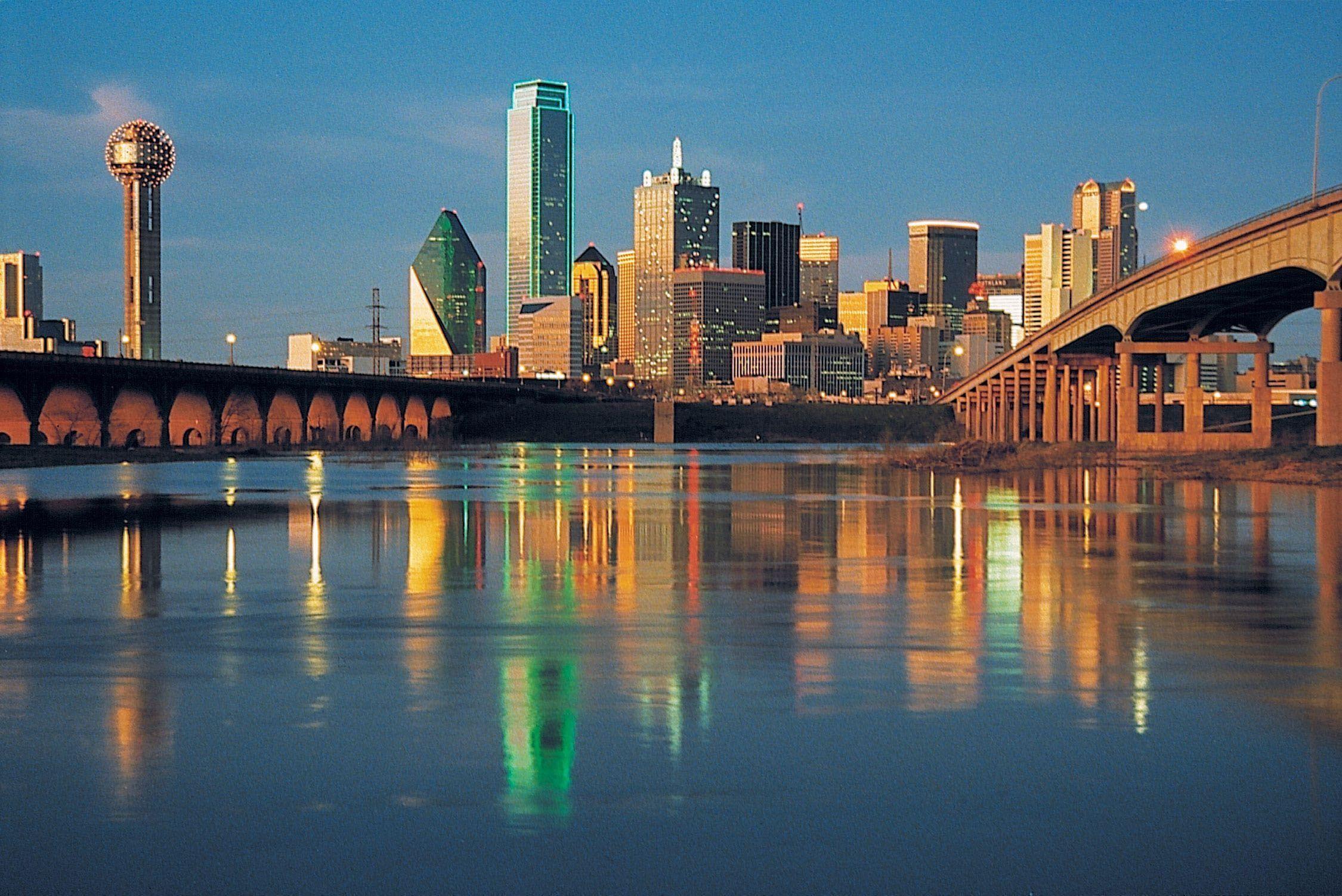
Dallas operates on the Central Time Zone, observing Central Standard Time (CST) during the winter months and Central Daylight Time (CDT) during the summer. When standard time is active, the city sits at UTC-6, shifting to UTC-5 when daylight saving measures take effect. Most of Texas follows this exact rhythm, meaning scheduling calls or booking flights across state lines requires tracking how local clocks interact with seasonal changes.
Managing schedules in North Texas means understanding both halves of the annual clock shift. The transition dates dictate when business hours sync up with the East and West coasts, preventing missed meetings and travel confusion.
The Dual Nature of Central Time in Dallas
Central Time isn't a static offset. It splits into two distinct operational periods governed by federal rules.
During standard time, which runs from early November to mid-March, Dallas aligns with UTC-6. Clocks move backward by one hour on the first Sunday of November, giving residents an extra hour of sleep.
When spring arrives, daylight saving time kicks in. On the second Sunday of March, local clocks jump forward one hour at 2:00 a.m. local time, shifting the offset to UTC-5 until autumn. This adjustment pushes daylight later into the evening, a welcome change for outdoor dining and evening sports across the Dallas-Fort Worth metroplex.
- Central Standard Time (CST): UTC-6, active November through March.
- Central Daylight Time (CDT): UTC-5, active March through November.
- Transition Moments: Clocks change at 2:00 a.m. local time on transition Sundays.
Texas Time Zone Exceptions
While Dallas residents never have to worry about intra-state time discrepancies, Texas isn't entirely uniform. Most of the Lone Star State shares the Central zone, but the far western corner operates differently.
El Paso and surrounding counties near the New Mexico border use Mountain Time (UTC-7 in winter, UTC-6 in summer). Furthermore, a tiny pocket in Culberson County around Guadalupe Mountains National Park informally observes Mountain Time. Anyone driving northwest out of the Dallas-Fort Worth area toward New Mexico crosses a boundary that requires resetting watches by an hour.
How Dallas Compares to Other Major Hubs
Knowing how Dallas time relates to other major economic centers keeps remote work and travel running smoothly. Because the U.S. observes uniform transition dates across most states, these offsets remain constant year-round despite the bi-annual clock adjustments.
- New York (Eastern Time): Dallas is consistently one hour behind New York. When it's 9:00 a.m. in Manhattan, it's 8:00 a.m. in Dallas.
- Los Angeles (Pacific Time): Dallas is two hours ahead of the West Coast. A noon meeting in Los Angeles happens at 2:00 p.m. in Dallas.
- London (Greenwich Mean Time / BST): The gap shrinks or grows depending on mismatched transition dates between the U.S. and Europe, but during standard time, London is six hours ahead of Dallas.
For official coordination standards, check the National Institute of Standards and Technology time guidelines.
Common Mistakes When Scheduling Across Zones
Miscalculating time changes leads to missed flights, delayed Zoom calls, and operational headaches. A few recurring errors catch people off guard every year.
Assuming time zones never change is the most frequent trap. People often set recurring calendar invites across the March and November transition weekends without accounting for the fact that European and North American clock changes don't always land on the same weekends.
Another error involves mixing up the direction of the offset. Remember that heading west subtracts hours, while heading east adds them. When you're located in Texas, you're behind the East Coast but ahead of the Mountain and Pacific regions. For deeper insights into global timekeeping standards, consult the International Bureau of Weights and Measures.
Frequently Asked Questions
Does all of Texas use Central Time?
No. While the vast majority of the state—including Dallas, Houston, and Austin—uses Central Time, El Paso and the far western strip of Texas use Mountain Time.
When exactly do the clocks change in Dallas?
Clocks spring forward on the second Sunday of March and fall back on the first Sunday of November. Both shifts occur officially at 2:00 a.m. local time.
Is Dallas ever on the same time as Los Angeles?
No. Dallas is always two hours ahead of Los Angeles, regardless of whether daylight saving time is active.
How does Central Time affect stock market trading hours?
The New York Stock Exchange operates on Eastern Time, meaning the opening bell rings at 8:30 a.m. local time for traders operating out of Dallas.



