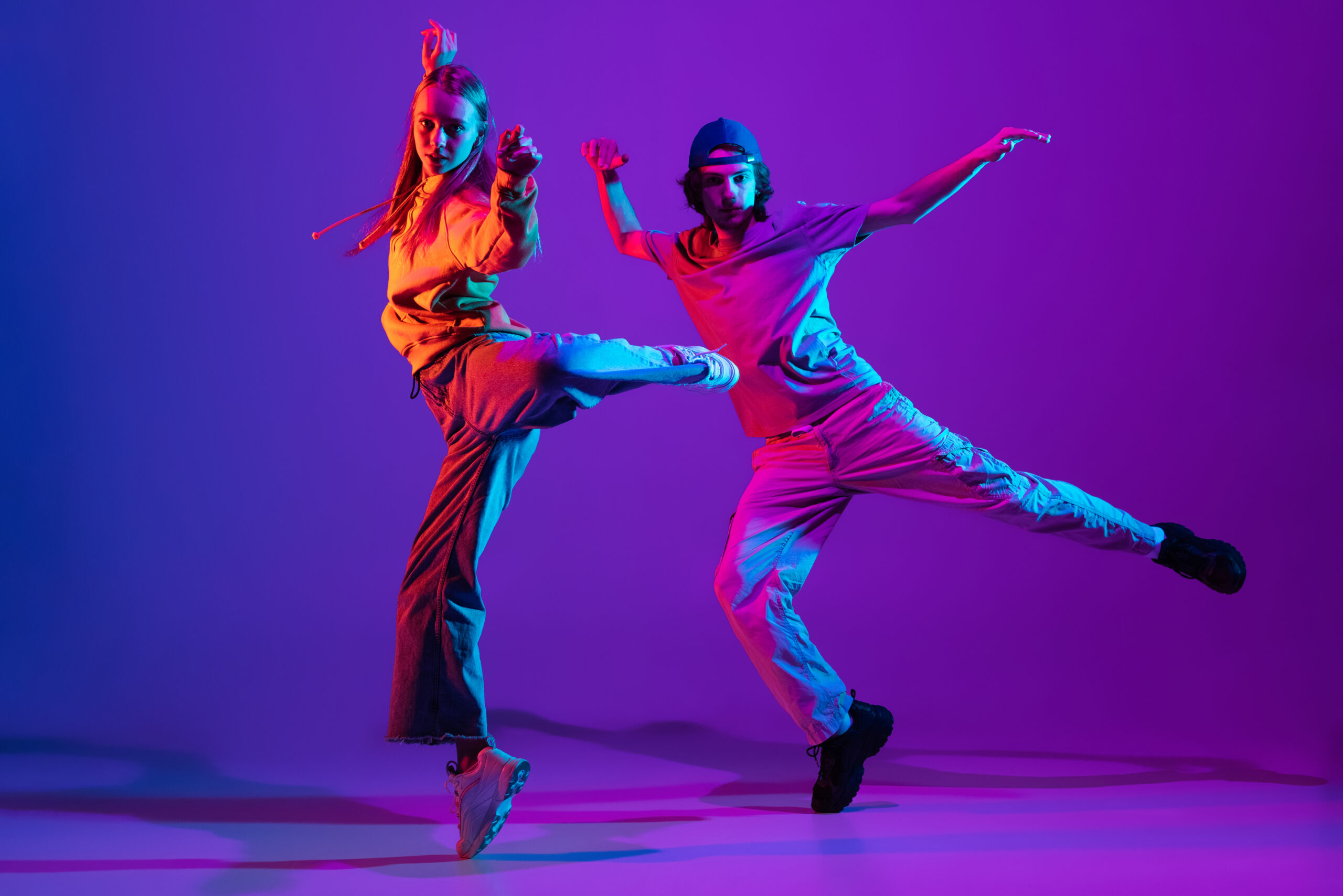
Cultural stewardship rarely follows a straight path. When examining the trajectory of multi-talented figures in local arts communities, observers often notice a distinct shift from individual performance to broader advocacy and community production. Daisy Keith stands out as a compelling example of this transition, moving from active stage and screen performance to championing creative initiatives behind the scenes. Understanding this shift requires looking closely at how performance experience informs structural arts promotion.
The Foundation of Performance
Before stepping into administrative or promotional roles, artists typically spend years developing technical proficiency on stage or screen. Early involvement in theater, community performance, or media production provides a granular understanding of what artists need to succeed.
- Direct Audience Engagement: Performers learn how to read room dynamics, pace presentations, and communicate emotional subtext.
- Production Awareness: Working under directors and stage managers exposes performers to lighting, sound design, and scheduling constraints.
- Creative Resilience: Regular auditions and live execution build the high tolerance for stress necessary for large-scale project coordination.
When individuals with this background pivot to advocacy, they bring an insider's perspective. They aren't just managing logistics; they understand the creative friction inherent in artistic production.
The Transition to Arts Promotion
Shifting from a spotlight-driven role to a supportive, promotional position involves redefining professional identity. For many cultural workers, this transition happens organically through grassroots organizing. Similar insight on the subject has been provided by BBC.
Identifying Local Gaps
Promoting the arts locally usually starts by recognizing where creative infrastructure falls short. Performers turned promoters frequently notice a lack of physical venues, funding bottlenecks, or poor marketing channels for emerging talent. Instead of waiting for municipal solutions, these individuals leverage their networks to build platforms from scratch.
- Networking Hubs: Establishing regular meetups for local creators, writers, and technicians.
- Showcase Coordination: Organizing open mics, pop-up galleries, and community theater nights.
- Resource Sharing: Compiling grants, rehearsal spaces, and equipment rental directories for independent artists.
Building Sustainable Cultural Infrastructure
Moving past one-off events requires long-term strategic planning. Successful arts promotion relies on community partnerships, consistent funding models, and public engagement that lasts beyond a single season.
- Securing Grants: Navigating municipal, provincial, or private arts funding requires detailed grant-writing and impact reporting.
- Audience Development: Implementing outreach programs to bring diverse demographics into local cultural spaces.
- Corporate Sponsorships: Aligning local businesses with community art initiatives for mutual economic and cultural benefit.
For deeper insights into how cultural policy shapes regional development, consult the Canada Council for the Arts. To explore historical frameworks of community performance and grassroots organizing, review resources provided by the National Endowment for the Arts.
Common Mistakes in Community Arts Promotion
When performers first enter the promotional sphere, certain pitfalls frequently derail their initiatives. Recognizing these missteps helps build more resilient cultural projects.
- Ignoring Administrative Realities: Focusing entirely on creative vision while neglecting budget management, permits, and insurance leads to sudden project shutdowns.
- Burnout Through Isolation: Trying to handle curation, marketing, and ticketing single-handedly without building a volunteer or core management team.
- Misjudging the Local Audience: Failing to tailor programming to the specific demographics and interests of the surrounding community.
Frequently Asked Questions
What motivated the shift from performance to promotion?
Many creators move into promotion to create platforms that didn't exist when they were starting out, ensuring younger artists have better institutional support and visibility.
How does performance experience help in arts administration?
Firsthand stage experience gives promoters empathy for creative teams, realistic expectations for production timelines, and practical knowledge of technical requirements.
What are the primary responsibilities of a regional arts promoter?
Key duties include curating events, securing funding, managing marketing campaigns, and building bridges between local government bodies and independent creators.
How can local communities better support emerging artists?
Communities thrive when they invest in affordable studio spaces, subsidized public performance venues, and accessible arts education programs for all age groups.