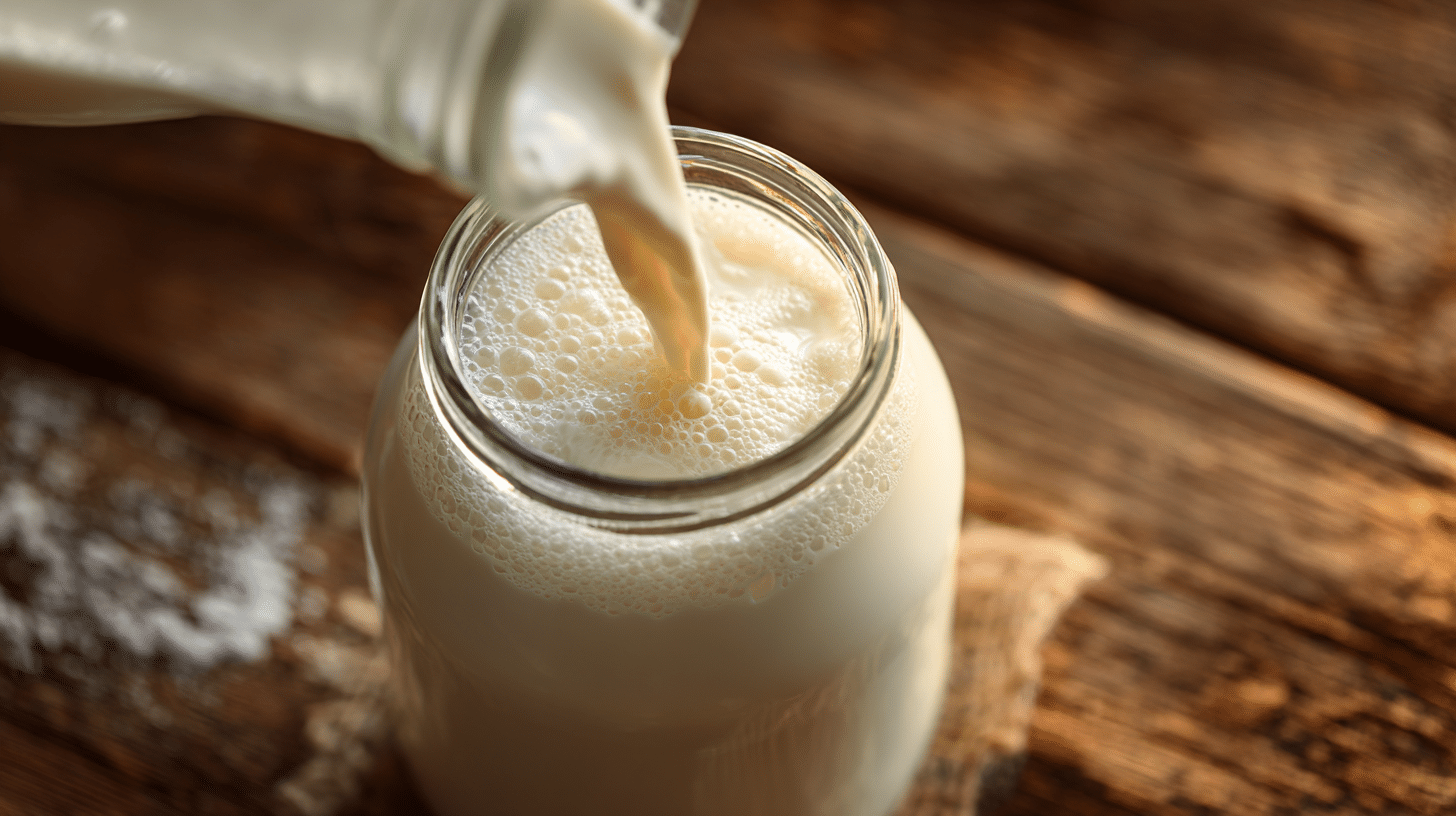
Choosing the right dairy products doesn't mean you have to compromise your nutritional goals or overspend at checkout. Smart grocery shopping starts with matching your daily protein and micronutrient needs to the most cost-effective formats available on supermarket shelves.
Whole milk, Greek yogurt, and cottage cheese offer distinct nutritional profiles that impact muscle recovery, bone density, and daily caloric intake. Understanding how to evaluate unit pricing versus processing level allows you to secure optimal nutrition without paying a premium for marketing buzzwords.
Nutritional Breakdown of Common Dairy Options
Different dairy products provide varying ratios of macronutrients. Whole milk delivers a balanced mix of fats, carbohydrates, and complete proteins, making it an efficient choice for general caloric needs. Plain Greek yogurt undergoes a straining process that removes liquid whey, concentrating the protein content significantly compared to standard regular yogurt.
- Whole Milk: Contains roughly 8 grams of protein per cup alongside healthy fats that aid in fat-soluble vitamin absorption.
- Greek Yogurt: Offers double the protein of regular yogurt per serving, supporting sustained muscle recovery and satiety.
- Cottage Cheese: Features slow-digesting casein protein, making it ideal for evening consumption to support overnight muscle repair.
- Kefir: Provides fermented probiotics that enhance gut microbiome diversity alongside standard dairy nutrients.
Cost Efficiency: Maximizing Nutrition per Dollar
Supermarket pricing structures often penalize single-serving convenience packaging. Buying bulk containers of plain dairy products yields immediate savings while reducing packaging waste.
- Buy Store Brands: Private-label milk and butter undergo identical federal safety standards as national brands but cost 20% to 30% less.
- Skip Flavored Varieties: Flavored milks and yogurts contain added sugars that drive up the price per ounce while diluting protein density. Add fresh fruit or honey at home to control ingredients and costs.
- Choose Larger Containers: Purchasing 32-ounce tubs of yogurt instead of individual cups cuts the unit cost nearly in half.
Lactose Intolerance and Budget-Friendly Alternatives
Lactose-free dairy products carry a significant price markup, often costing 40% to 60% more than conventional milk. For shoppers managing lactose sensitivities on a budget, hard cheeses like aged cheddar and parmesan contain virtually zero natural lactose due to the fermentation and aging process.
Additionally, lactase enzyme supplements taken prior to consuming standard dairy products allow individuals to digest regular, lower-cost milk and yogurt without discomfort. For official dietary guidelines and nutritional standards, consult the U.S. Department of Agriculture recommendations.
Common Mistakes When Buying Dairy
- Paying for Organic Labels Without Clear Goals: Organic certification guarantees pasture-raising standards but doesn't inherently alter the core macronutrient count of the protein or calcium content.
- Ignoring Unit Pricing Tags: Always check the shelf tag for the price per ounce to compare different carton sizes accurately.
- Overlooking Expiration Windows: Buying oversized quantities that spoil before consumption eliminates any upfront savings. Match purchase volume to household consumption rates.
Frequently Asked Questions
Is whole milk better than skim milk for daily nutrition?
Whole milk provides higher satiety due to milk fat content and helps absorb vitamins A and D more efficiently. Skim milk reduces overall calorie and saturated fat intake, making it a preference-based choice depending on individual caloric goals.
How can I make plain Greek yogurt taste better without buying flavored versions?
Stirring in a dash of cinnamon, a drizzle of local honey, or frozen berries thawed overnight creates a customized flavor profile with a fraction of the sugar found in pre-flavored cups.
Why is lactose-free milk more expensive?
Manufacturers must add the lactase enzyme during production and utilize specialized filtration processes to break down natural sugars, which increases processing overhead costs.
Does cooking destroy the protein in dairy products?
Cooking or baking with dairy products alters the structure of whey and casein proteins slightly, but it does not diminish the amino acid bioavailability your body utilizes for muscle maintenance.



