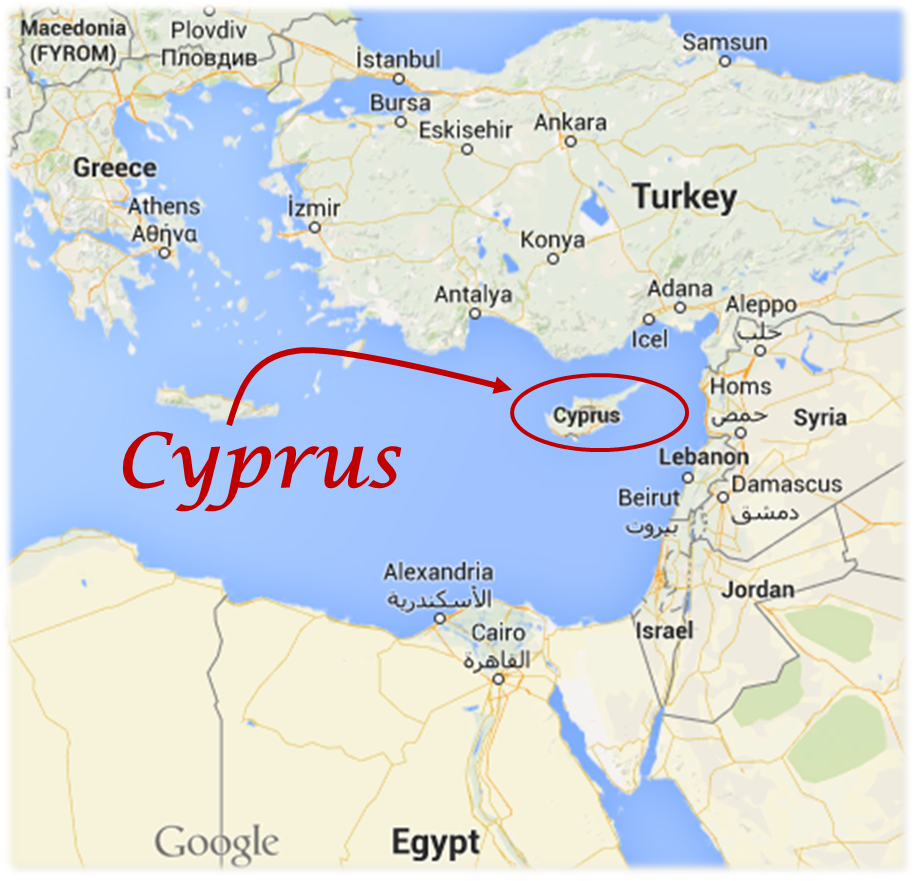
The Cyprus National Guard operates as a heavily armed, combined-arms deterrent force situated in a deeply complex geopolitical zone. Guarding the eastern Mediterranean, the island nation balances an unusual mix of legacy Eastern European hardware, French armor, and newer European defense acquisitions. Military readiness here isn't just about parades; it's about maintaining operational capability across land, air, and sea domains despite historic arms embargoes and regional tensions.
Modernization efforts focus heavily on replacing aging inventories, improving command and control structures, and tightening interoperability with regional partners like Greece. If you want to understand how a small island nation defends its sovereignty, you have to look past the political headlines and examine the actual logistics, armored vehicle fleets, and missile systems currently deployed across the territory.
Land Forces and Heavy Armor Inventory
The backbone of the Cypriot ground forces rests on a diverse armored vehicle fleet. Unlike many smaller European armies that rely strictly on light wheeled transport, the National Guard maintains a core of main battle tanks (MBTs) and infantry fighting vehicles (IFVs) designed for high-intensity territorial defense.
The crown jewel of the heavy armor inventory consists of Russian-supplied T-80U and T-80UK main battle tanks. Procured in the late 1990s, these platforms give the force significant firepower with their 125mm smoothbore guns capable of firing anti-tank guided missiles like the Refleks system. Alongside them, you'll find French-designed AMX-30B2 tanks and modernized M48A5 MOLF platforms that receive maintenance support through close bilateral ties with the Hellenic National Defence General Staff.
For mechanized infantry transport and combat support, the inventory includes:
- BMP-3 Tracked IFVs: Equipped with a 100mm main gun and 30mm autocannon, providing high mobility and heavy firepower to mechanized battalions.
- VAB Armored Personnel Carriers: Operated in various configurations, including anti-tank variants outfitted with missile systems.
- EE-9 Cascavel Armoured Cars: Wheeled reconnaissance vehicles armed with 90mm guns, providing rapid patrol capabilities across varied terrain.
Artillery, Air Defense, and Missile Systems
Geographic depth is limited on an island, making deep-strike artillery and robust air defense networks absolute priorities for military preparedness. The artillery command relies heavily on modern self-propelled systems to ensure quick displacement and counter-battery fire.
The acquisition of Serbian-built Nora B-52 155mm self-propelled howitzers significantly upgraded long-range fire support, paired with advanced command and reconnaissance vehicles. For rocket artillery, the National Guard fields multiple launch systems capable of blanketing designated zones quickly.
Air defense is structured in layers to protect critical infrastructure against aerial threats:
- TOR-M1 and Aspide Systems: Short-to-medium-range surface-to-air missile systems designed to intercept fixed-wing aircraft, helicopters, and precision munitions.
- Mistral MANPADS: Highly mobile, shoulder-fired or vehicle-mounted infrared-guided missiles providing frontline air defense for infantry units.
- Exocet Anti-Ship Missiles: Coastal defense batteries equipped with MM40 block variants to secure the island's maritime approaches.
Naval and Air Capabilities
Because Cyprus lacks strategic depth on land, maritime and air domain awareness acts as an early warning shield. The Navy Command operates a fleet of fast patrol boats, including Shaldag-class and FPB-30M vessels, designed for littoral surveillance, search and rescue, and anti-smuggling operations. Recent procurements focus on adding offshore patrol vessels to extend operational reach into the Exclusive Economic Zone (EEZ).
The air wing maintains tactical transport and reconnaissance capabilities, utilizing unmanned aerial systems like the Hermes 450 for real-time battlefield intelligence, border monitoring, and artillery spotting. Training exercises regularly incorporate joint air drills with allied nations to bridge small fleet limitations through collective defense frameworks.
Logistics, Maintenance, and Structural Bottlenecks
Owning diverse military equipment creates a logistical labyrinth. When an army operates platforms sourced from Russia, France, Brazil, Serbia, and local Greek manufacturing, spare parts procurement becomes a constant hurdle. Maintenance crews must manage completely different engine types, optical sights, and ammunition standards.
To mitigate these strains, the Ministry of Defense focuses on indigenous repair capabilities and strategic supply agreements with European partners. Recruitment also presents a structural challenge; the National Guard relies on a mix of professional soldiers (SYOP) and a mandatory conscription model backed by a large reserve force. Keeping conscripts and reservists proficient on complex, digitalized weapon systems requires continuous, high-tempo training cycles.
Frequently Asked Questions
What is the standard service rifle of the Cyprus National Guard?
The standard-issue assault rifle is the HK G3 (specifically the G3A3 and G3A4 variants), produced largely under license or supplied through cooperation with Greece. Special operations units like the LOK use specialized imports such as the IWI Tavor and FN SCAR.
Why does Cyprus operate Russian-made tanks?
Cyprus procured T-80U and T-80UK main battle tanks in the mid-1990s to counter the heavy armor concentrations deployed across the northern part of the island. At the time, these acquisitions provided a qualitative edge over older Turkish armor deployed in the region.
How does the National Guard handle military procurement under EU rules?
As an EU member state, Cyprus faces diplomatic and regulatory constraints regarding non-European defense suppliers. Recent strategic shifts lean heavily toward sourcing equipment from France, Serbia, Israel, and domestic European defense initiatives to ensure long-term logistical compatibility.
What role do reserves play in Cypriot military preparedness?
Reserves form the vast majority of wartime manpower for the National Guard. Regular units maintain skeleton frameworks during peacetime, relying on rapid mobilization protocols to bring combat brigades up to full operational strength within hours of a call-up.