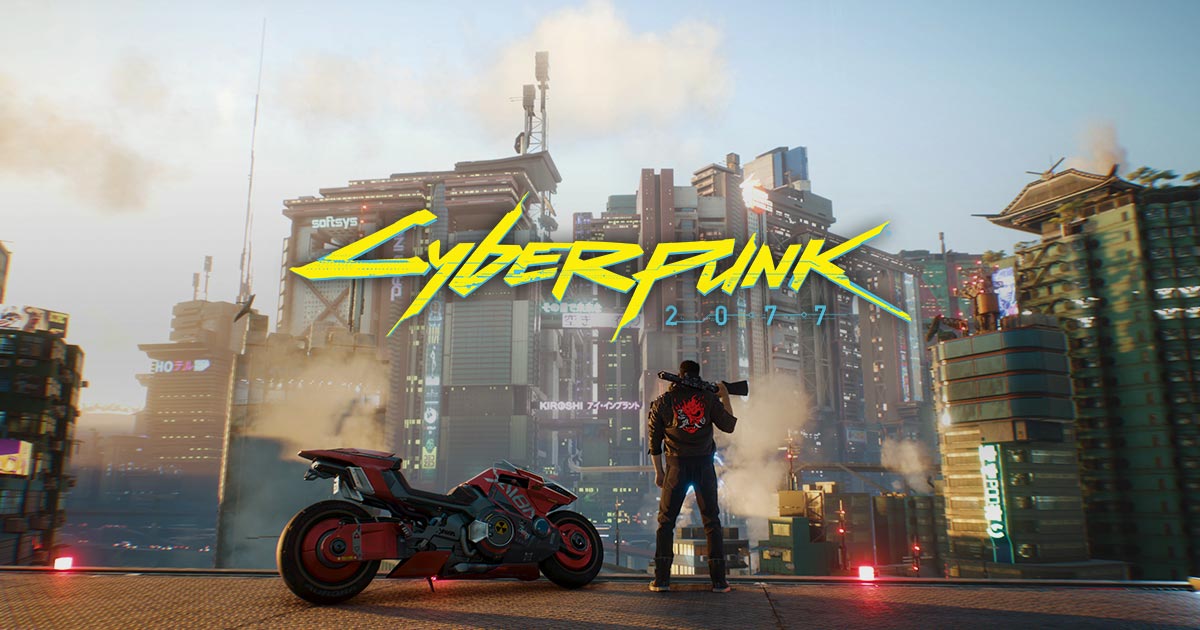
Cyberpunk 2077 is entirely worth playing. If you avoided it due to the disastrous launch back in 2020, or if you wondered whether major system overhauls actually fixed the core experience, the short answer is yes. CD Projekt Red transformed a broken launch into a masterclass for modern action role-playing games, backed by structural updates and the critically acclaimed expansion, Phantom Liberty.
Navigating Night City today delivers an experience that matches what was originally promised. This evaluation cuts through marketing noise to examine performance, gameplay systems, and whether your time and money are well spent here.
How Update 2.0 and Phantom Liberty Changed Everything
The turning point for the game arrived alongside major software patches that completely rewrote how the game functions. Early complaints targeted broken police AI, shallow skill trees, and unstable frame rates. Subsequent patches replaced those foundational elements entirely.
- Reworked Police System: Officers no longer spawn directly behind you on rooftops. They now deploy pursuit vehicles, set up roadblocks, and escalate response tiers based on your threat level, mirroring modern open-world standards.
- Overhauled Perk Trees: Skill progression moved away from passive statistical upgrades (like a minor two percent increase to pistol damage) toward active abilities like bullet deflection, air-dashing, and finishing moves that change combat flow.
- Vehicle Combat: You can now shoot, hack, and fight while driving, turning high-speed car chases across Night City into genuine action sequences instead of simple transit points.
The Phantom Liberty expansion adds a dense new district called Dogtown, featuring a spy-thriller narrative starring Idris Elba. It introduces a secondary skill tree, high-stakes gigs, and an alternate ending for the main campaign. If you buy the game, playing it alongside the expansion offers the definitive version of the experience.
Performance Across Platforms
Your hardware dictates your enjoyment. Performance varies significantly depending on what system you use to boot up the game.
Current-Generation Consoles and PC
On PlayStation 5, Xbox Series X/S, and competent PC rigs, the game runs smoothly. Target frame rates hold stable, asset streaming issues are largely resolved, and graphical fidelity showcases Night City's neon-drenched aesthetic properly. Solid state drives are mandatory; trying to run this title on older mechanical hard drives causes severe texture pop-in and geometry streaming failures.
Older Hardware Warnings
If you are still playing on a base PlayStation 4 or Xbox One, skip it. Support for past-generation consoles ended years ago. Those versions remain trapped in an unoptimized, unstable state that fails to capture what the developers built.
The Core Experience: Strengths and Weaknesses
Understanding what Cyberpunk 2077 does well helps determine if it fits your personal gaming preferences. It is an action role-playing game focused on narrative, first-person gunplay, and character builds, rather than a chaotic sandbox simulator like Grand Theft Auto.
What Shines Bright
- Narrative and Characters: The relationship between V and Johnny Silverhand (played by Keanu Reeves) anchors an emotional, mature story. Side quests involving supporting characters often rival the quality of the main plot.
- Visual Design: Night City remains one of the most meticulously designed open worlds in gaming history. The verticality, architectural contrast, and lighting create unmatched atmosphere.
- Build Variety: Whether you want to play a stealthy netrunner who fries enemies through security cameras, a blitzing melee samurai, or a heavy-gun-toting solo, combat encounters accommodate multiple viable playstyles.
Where It Falls Short
- Open-World Interactivity: While the city looks stunning, pedestrian AI can feel routine. You cannot enter every building, and interaction with shopkeepers or ambient citizens remains somewhat limited compared to dedicated simulation sandboxes.
- First-Person Lock: The game is strictly first-person. Third-person perspective is limited to cutscenes and driving, which disappoints players who prefer seeing their custom-designed armor sets during regular gameplay.
Common Mistakes to Avoid
Jumping into Night City without understanding certain mechanics can lead to frustration. Keep these pointers in mind:
- Ignoring Crafting and Upgrades: Early game combat can feel punishing if you neglect your gear. Upgrading weapons and installing appropriate cyberware makes a massive difference in survivability.
- Rushing the Main Questline: The main story creates a sense of urgency, but ignoring side gigs locks you out of major character arcs and financial resources. Take your time exploring the districts.
- Neglecting Attributes: Plan your build early. While you can reset your perk points freely, you cannot reallocate your core attribute points (Body, Reflexes, Technical Ability, Intelligence, Cool) once spent.
For official technical support, system requirements, and patch notes, you can check the Cyberpunk 2077 Official Website. For broader community sentiment and detailed performance databases, reference the Steam Community Hub.
Frequently Asked Questions
Do I need to play Phantom Liberty to enjoy the base game?
No. The base game contains a complete, self-contained narrative arc. However, Phantom Liberty integrates directly into the middle of the main campaign, expanding options and providing a richer conclusion.
Is the game too scary or heavy on horror elements?
Cyberpunk 2077 is rated mature for intense violence, gore, nudity, and dark themes. While not a horror game, certain side missions involving cyberpsychos or corporate espionage feature disturbing imagery and tense atmospheres.
How many hours does it take to finish?
A focused playthrough of the main story takes around twenty-five to thirty hours. Exploring side quests, hidden gems, and the expansion easily pushes total playtime past eighty to one hundred hours.
Can I play it on the Steam Deck?
Yes. The game runs reasonably well on handheld hardware like the Steam Deck using optimized medium settings, though you should expect to tweak graphics options to maintain a steady thirty frames per second.



