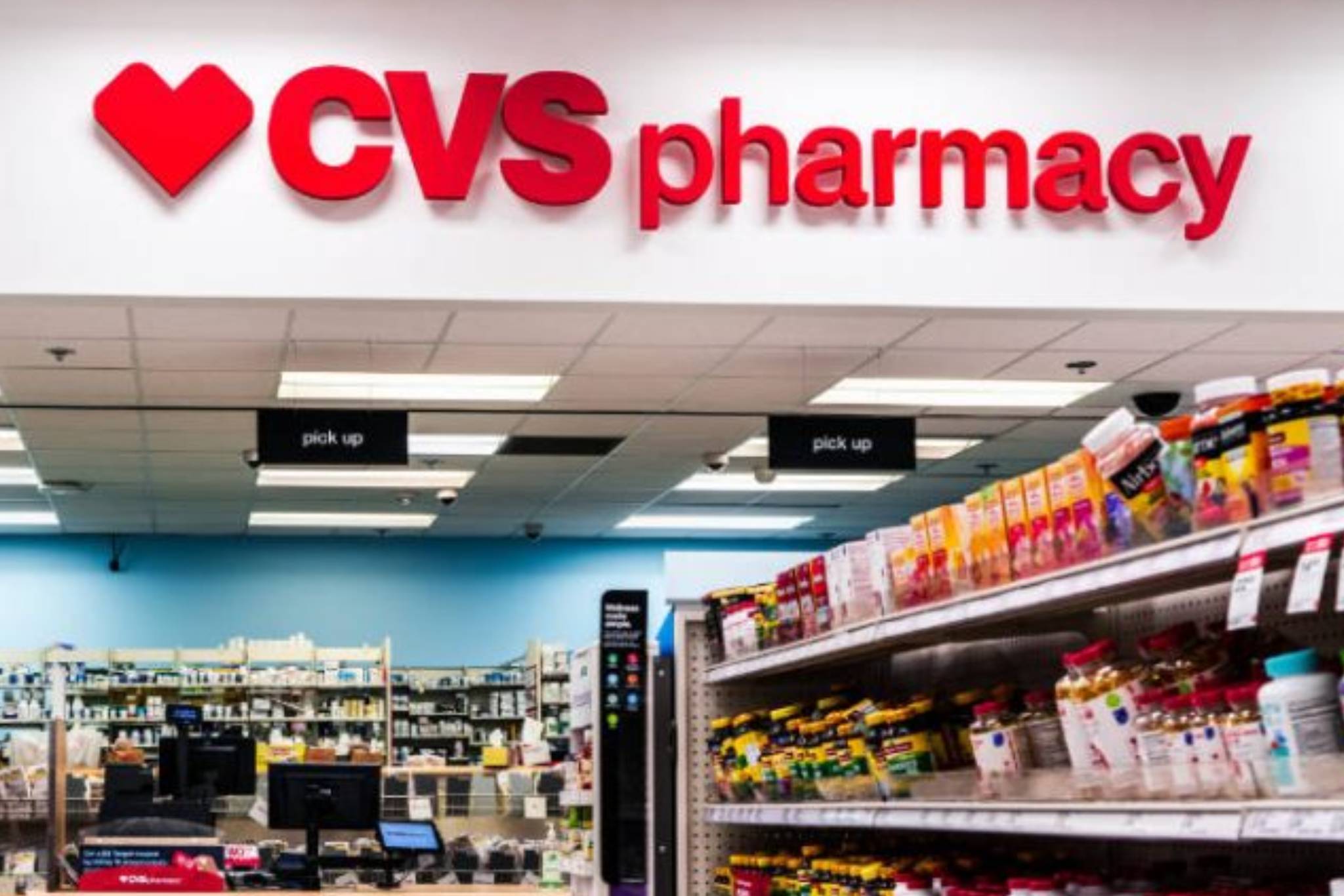
Navigating consumer healthcare access often comes down to out-of-pocket costs for everyday medical supplies. Millions of Americans enrolled in Medicare Advantage and Medicaid plans receive a quarterly or monthly financial allowance for over-the-counter products through programs like CVS OTC Health Solutions. These benefits change how patients stock up on health essentials by covering everyday items—ranging from pain relievers to blood pressure monitors—without charging retail prices at the register.
Understanding how to access, verify, and spend these health credits allows consumers to maximize a benefit they've already earned through their insurance plan. Yet, navigating store policies, eligible item lists, and expiration rules requires a clear strategy to avoid wasted funds.
What Are CVS OTC Benefits and How Do They Work?
Over-the-counter benefits function as a restricted-use financial allowance provided by health insurance companies, most commonly Medicare Advantage (Part C) plans. Instead of covering prescription drugs or doctor visits, these funds target non-prescription health and wellness goods.
Insurance providers partner with retail networks like CVS Pharmacy to let members purchase approved items either in-person, online, or by phone. The mechanics of the program rely on a dedicated allowance amount determined entirely by your specific insurance policy.
- The Allowance Cycle: Funds typically reset on a monthly or quarterly schedule. If you don't use your full allowance within the designated period, the remaining balance usually expires instead of rolling over.
- The Benefit Card: Members receive a specialized card—separate from a primary medical ID card—loaded with their recurring allowance.
- The Product Restrictions: Only specific items listed in your plan's approved product catalog qualify for coverage. Buying non-eligible items requires paying out of pocket for those specific products.
According to CVS Health, millions of eligible members use these allowances to manage chronic conditions, prevent minor illnesses, and maintain household medical supplies without straining their personal budgets.
Identifying Eligible Items In Store and Online
One of the common roadblocks consumers face is guessing which items qualify for coverage. Grabbing a brand of pain relief or vitamins off a shelf without checking can lead to surprise charges at checkout.
Retailers handle this by implementing visual indicators and digital tools to guide your shopping trip.
- Blue Shelf Tags: Participating CVS locations use distinctive blue labels on store shelves to highlight products eligible for OTC health benefits.
- Plan Catalogs: Every insurance provider issues a printed or digital catalog outlining exact product SKUs and categories. Cross-referencing your shopping list with this catalog prevents checkout errors.
- Mobile Scanning Apps: Programs like the CVS Flex Benefits app let shoppers scan product barcodes using a smartphone camera to check eligibility instantly before heading to the register.
Commonly covered categories include pain relievers, digestive aids, first-aid supplies, incontinence care, cold and flu remedies, and diagnostic devices like blood pressure monitors. However, cosmetic items, general groceries, and standard household cleaning supplies remain strictly excluded.
Step-by-Step: How to Redeem Your OTC Allowance at CVS
Redeeming your health allowance depends on whether your plan uses mail delivery or in-store shopping. For those choosing to shop at a physical storefront, the process requires a few precise steps to ensure proper credit application.
- Verify Plan Participation: Confirm that your specific insurance network partners with CVS OTC Health Solutions. Not all alternative insurance cards work at every retail location.
- Bring Your Member ID: Keep your insurance or OTC benefit card ready. Many systems require the cashier to scan a barcode or enter your member identification number to verify eligibility before ringing up products.
- Separate Eligible Goods: While registers automatically sort items, keeping your approved OTC products separate from regular grocery or cosmetic purchases speeds up the checkout experience.
- Handle Balances: If your purchase exceeds your remaining allowance, you must pay the remaining difference using cash, debit, or a credit card.
Shoppers can also order items online through the CVS OTC Health Solutions Portal for home delivery, which eliminates the need to visit a physical storefront and ensures 100 percent item eligibility.
Common Mistakes That Waste Benefit Funds
Failing to track allowance rules results in millions of dollars in unclaimed health benefits every year. Recognizing typical missteps helps you protect your allocation.
- Letting Balances Expire: Assuming funds accumulate across the entire year is a costly error. Most plans enforce a "use it or lose it" policy at the end of each month or quarter.
- Skipping Card Activation: Many benefit cards arrive inactive. Trying to swipe a card at checkout without calling the activation number or visiting the insurer website first will result in a declined transaction.
- Buying for Others: Benefit terms state that allowances apply exclusively to the enrolled member. Purchasing items for family members or friends violates program rules and can lead to benefit suspension.
- Ignoring Quantity Limits: Insurance providers often place maximum limits on how many units of a specific item you can buy in a single transaction or benefit period.
Frequently Asked Questions
Can I use my CVS OTC card for prescription medications?
No. Over-the-counter benefit cards are strictly reserved for non-prescription health and wellness items. They cannot pay for Part B or Part D prescription drugs, copays, or clinical doctor visits.
Do unused OTC dollars roll over to the next month?
In most cases, no. Traditional Medicare Advantage and Medicaid OTC allowances expire at the end of their designated cycle—typically monthly or quarterly. Check your specific plan document to confirm rollover rules.
What happens if my purchase costs more than my balance?
You can still complete the transaction. The register applies your remaining allowance toward the total, and you pay the remaining balance out of pocket using standard payment methods.
Can I shop at any CVS store for these benefits?
Most standard CVS Pharmacy locations participate, but select affiliates or target-based storefronts may have restrictions. Use the official CVS Store Locator to find an enabled pharmacy near you before making a trip.


