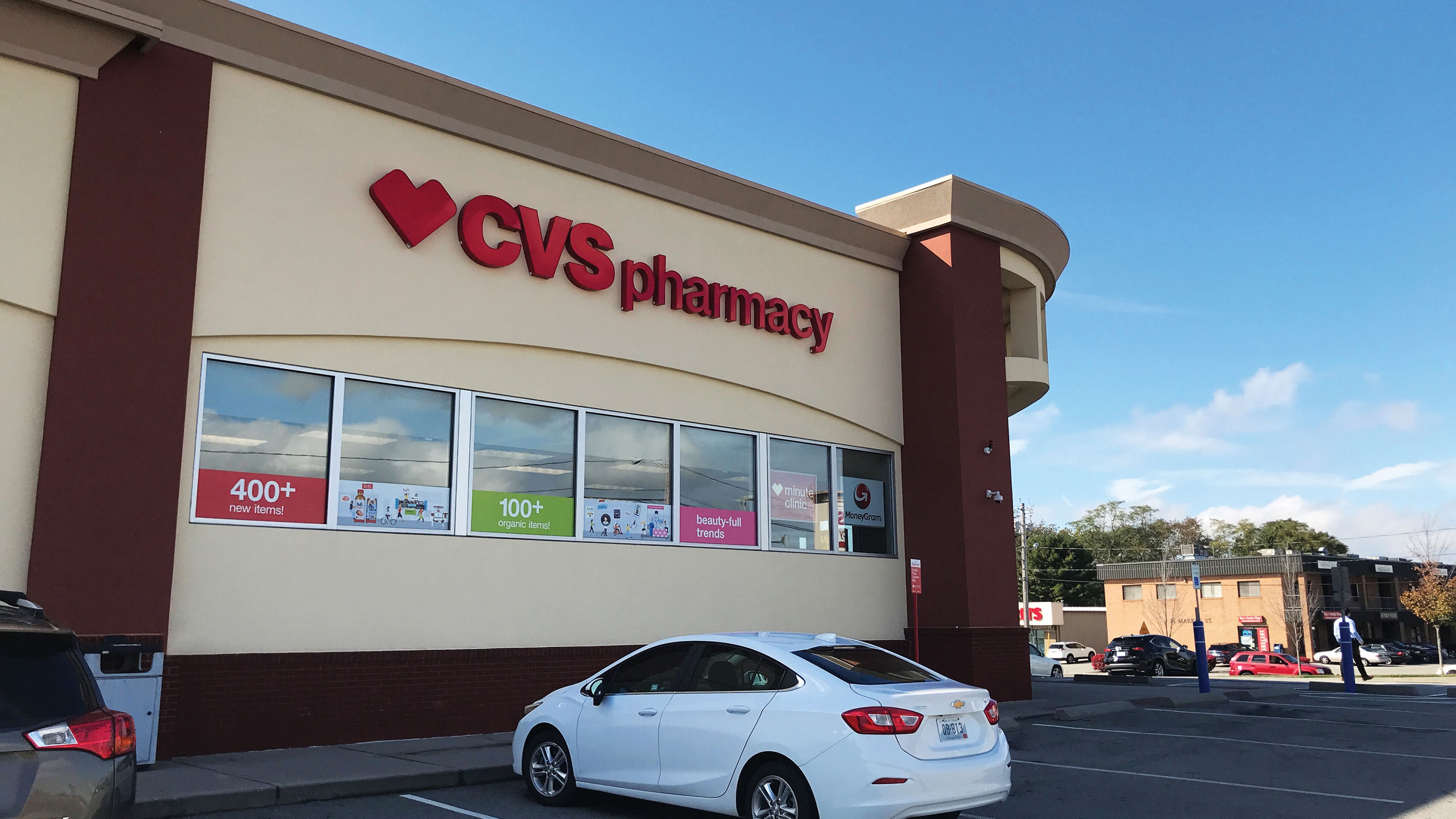
The CVS Health Hub model reshapes how everyday Americans access outpatient services, chronic disease management, and diagnostic testing. Instead of separating routine prescriptions from minor medical care, these redesigned retail spaces cluster pharmacy fulfillment, expanded clinical rooms, and wellness testing under one roof. If you've ever waited three weeks for a primary care appointment just to get a strep test or a routine blood pressure check, you understand why retail healthcare networks are expanding.
Understanding how these hubs operate requires looking past traditional drugstore aisles. They aren't just selling vitamins and greeting cards; they function as decentralized neighborhood clinics equipped to handle chronic conditions, minor injuries, and preventative screenings.
What is a CVS Health Hub?
A CVS Health Hub is a designated retail store location modified to dedicate nearly twenty percent of its square footage to health and wellness services. Standard CVS stores focus primarily on prescription dispensing and over-the-counter products. Hub locations expand this footprint by integrating upgraded MinuteClinics with dedicated care coordinators, wellness rooms, and community health spaces.
These locations are engineered to address the primary friction points of modern healthcare: cost transparency, long wait times, and inflexible scheduling. By staffing these spaces with nurse practitioners, physician assistants, and licensed pharmacists, CVS shifts minor acute care away from expensive emergency rooms and overburdened primary care networks. As discussed in latest reports by Reuters, the effects are widespread.
Core Services Offered at Health Hub Locations
Stepping inside a hub reveals a service menu that goes far beyond traditional pharmacy offerings. The clinical layout divides care into specialized zones designed for speed and privacy.
- Expanded MinuteClinic Care: Beyond treating sinus infections or administering flu shots, clinicians diagnose and manage chronic conditions like Type 2 diabetes, high blood pressure, and high cholesterol.
- Sleep Apnea Screenings: Patients experiencing chronic fatigue can complete sleep apnea consultations, take home home-testing equipment, and review sleep study data directly with clinical staff.
- Mental Health Counseling: Select locations offer private consultation spaces for licensed therapists, providing accessible talk therapy and behavioral health screenings without the typical months-long waitlist.
- Chronic Condition Monitoring: Regular HbA1c testing, lipid panels, and blood pressure tracking let patients monitor chronic conditions between visits to their primary care physician.
- Community Wellness Classes: Group education sessions cover nutrition, weight management, and diabetes prevention, often led by registered dietitians.
According to data reported by CVS Health, these expanded formats aim to lower overall healthcare costs by catching chronic issues before they require acute hospital intervention.
The Technological Infrastructure Behind the Hub
Physical convenience means little without digital coordination. The backbone of the CVS Health Hub relies on integrated software platforms that connect mobile apps, electronic health records, and in-store diagnostic tools.
When you book a consultation through the CVS Pharmacy mobile app, your appointment data syncs directly with the clinic's internal scheduling system. If you receive a biometric screening, your results populate into your digital health profile. This allows you to export clinical summaries straight to your primary care physician, maintaining continuity of care.
Furthermore, pharmacists use automated alert systems during prescription fulfillment. If a patient picks up medication for hypertension at a hub counter, the system cross-references recent blood pressure readings taken at the in-store kiosk, allowing the pharmacist to flag potential dosage adjustments or lifestyle interventions on the spot.
Comparing Traditional Pharmacies vs. Health Hubs
To see why this model is gaining traction, it helps to compare the standard retail pharmacy experience with the hub format across key operational areas.
- Footprint: Standard stores use 100% of floor space for retail goods and basic pharmacy pickup. Hubs allocate 20% to 25% of floor space specifically to clinical treatment rooms and consultation spaces.
- Staffing: Traditional pharmacies feature pharmacists and pharmacy technicians. Hubs add nurse practitioners, care concierges, and sometimes certified diabetes educators or dietitians.
- Appointments: Traditional clinics accept walk-ins with variable wait times. Hubs use robust digital scheduling apps that guarantee time slots for diagnostic screenings and chronic care visits.
- Scope of Care: Traditional stores handle medication distribution and basic immunizations. Hubs manage chronic disease care, diagnostic testing, sleep studies, and minor injury care.
Common Mistakes When Using Retail Health Clinics
While retail clinics offer unmatched convenience, patients sometimes misuse them or run into administrative roadblocks. Avoiding these common pitfalls ensures a smoother healthcare experience.
- Treating the clinic as a permanent primary care doctor: While hubs excel at episodic care, minor infections, and chronic disease maintenance, they don't replace a dedicated primary care physician who knows your complete medical history over decades. Use hubs to supplement, not entirely replace, your primary care team.
- Ignoring insurance network restrictions: Not every health insurance plan covers retail clinics equally. Always verify your specific copay and tier status using your insurer's portal before booking an appointment.
- Failing to share visit notes with your primary doctor: Bring your visit summary or send the digital export directly to your regular physician so your central medical file stays accurate and complete.
- Skipping appointment pre-registration: Walking in without an appointment during peak flu season can result in long wait times. Always use the digital scheduling tool to lock in your slot.
Frequently Asked Questions
How do I find the nearest CVS Health Hub location?
You can locate a hub by visiting the official CVS Store Locator and filtering your search results specifically by "Health Hub" services, as not every standard CVS store features this upgraded format.
Are services at a Health Hub more expensive than a regular doctor's office?
Pricing is typically comparable to a standard urgent care visit or specialist copay, and it is usually far lower than an emergency room visit. Most major insurance plans are accepted for clinical services, but you should check your plan details beforehand.
Do I need an appointment for a MinuteClinic visit inside a hub?
Walk-ins are often accommodated, but booking online through the mobile app is strongly recommended to secure a precise time window and minimize wait times in the waiting area.
Can prescriptions be filled on-site immediately after a clinical consultation?
Yes. Because the clinic is physically integrated directly inside the retail pharmacy, you can drop off your newly prescribed medication at the pharmacy counter immediately after walking out of the examination room.


