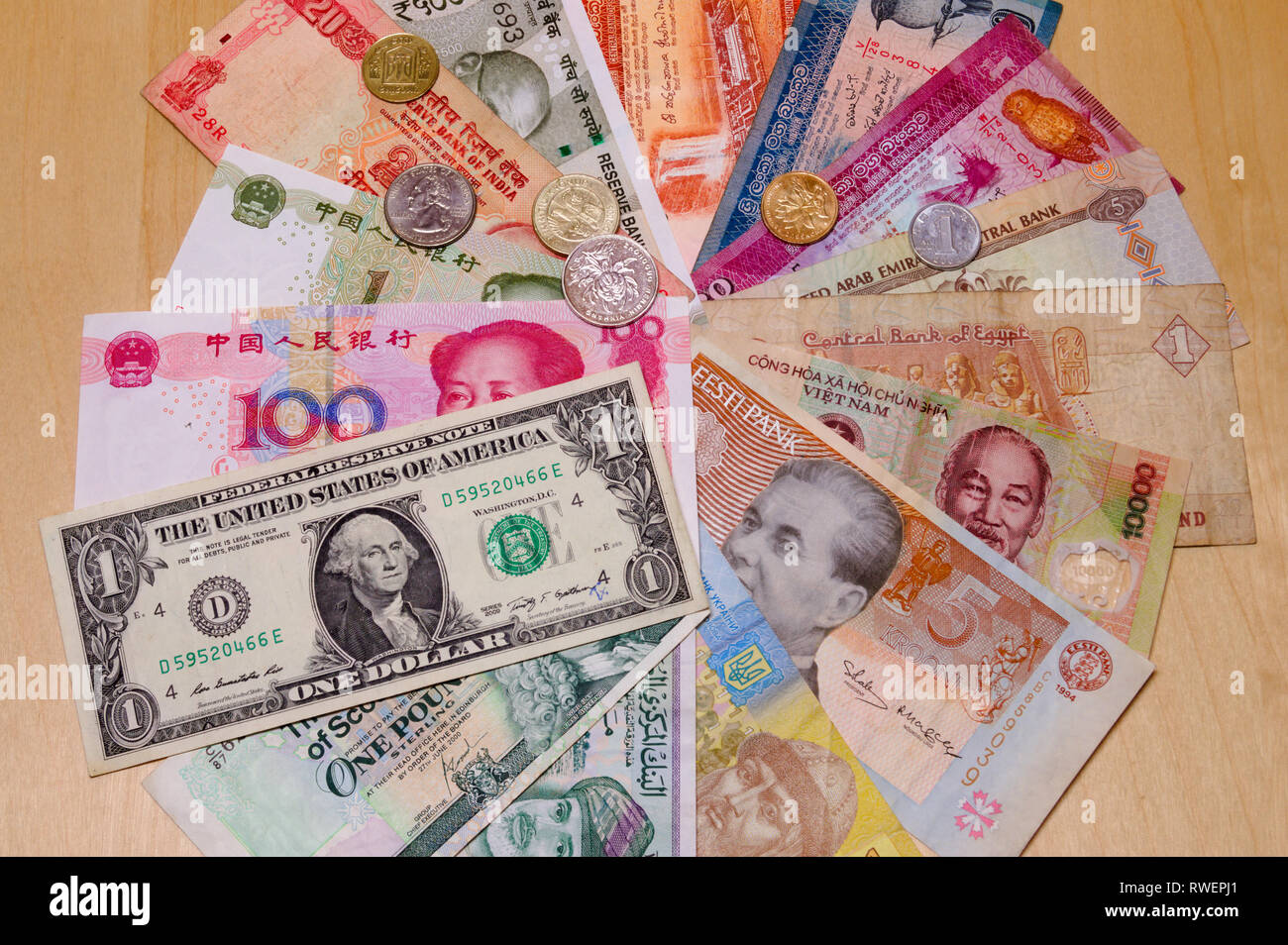
Global monetary policy shifts and sovereign currency clashes directly erode household purchasing power long before everyday citizens notice the changes in their local bank accounts. When central banks engage in competitive devaluations or maintain artificially low interest rates, cash savings lose ground against real-world inflation. Protecting personal wealth requires moving beyond traditional savings accounts and understanding how macro-level monetary mechanics impact everyday goods, services, and hard assets.
Song Hongbing's influential book Currency Wars brought widespread attention to how international financial systems, central banking mechanics, and geopolitical monetary conflicts influence national economies. While financial analysts debate the historical interpretations within the text, the core anxiety it taps into remains entirely real: everyday savers bear the hidden costs of currency depreciation. Understanding these mechanics helps you shield your portfolio from macro-driven value erosion.
The Mechanics of Modern Monetary Clash
Monetary conflicts rarely resemble traditional geopolitical wars with physical borders and military engagements. Instead, nations compete through exchange rates, interest rate adjustments, and liquidity expansions to gain export advantages or manage heavy national debt loads. When one major economy weakens its currency, trading partners face immediate pressure to respond in kind to protect their domestic manufacturing and export sectors.
This competitive cycle alters the purchasing power of money across borders. If you hold cash in a currency that is actively losing ground against hard assets or foreign equivalents, your ability to purchase imported energy, raw materials, and global goods shrinks. Central banks manage these adjustments through tools like quantitative easing or tightening cycles, which ripple directly down into commercial lending rates and consumer deposit yields.
How Central Banks Shape Your Purchasing Power
Central banks control the baseline cost of money. When they inject liquidity into the financial system to rescue struggling credit markets or stimulate growth, the total supply of currency expands faster than the output of real goods and services.
- Interest Rate Suppression: Keeping benchmark rates below the true rate of inflation forces cash depositors to accept negative real yields.
- Asset Price Inflation: Newly created capital often flows into equities and real estate first, widening the wealth gap for individuals relying solely on earned income and savings accounts.
- Imported Inflation: A weaker local currency drives up the landed cost of foreign energy and consumer electronics, feeding domestic price indices.
Historical Precedents and the Gold Standard Debate
A central theme in macroeconomic critiques—including Song's work—focuses on the abandonment of commodity-backed currencies, such as the historical gold standard, in favor of fiat money systems managed entirely by central authorities. Under a gold standard, governments faced strict limits on how much currency they could print, because paper claims had to be redeemable for physical metal.
Moving to a pure fiat standard removed those physical restraints. While fiat currency gives central banks the flexibility to respond quickly to financial panics, it also removes the natural brake on currency creation. Over long horizons, unrestricted currency expansion historically leads to a loss of purchasing power. Savers who leave their wealth entirely in unhedged fiat cash absorb this penalty silently through compounding price increases.
Practical Steps to Shield Your Savings
Watching global monetary friction unfold from the sidelines leaves your personal wealth exposed. You don't need a multi-million-dollar portfolio to implement basic, defensive asset allocation strategies that counter currency debasement.
- Audit Your Cash Exposure: Keep emergency funds liquid in high-yield vehicles, but avoid holding excess cash beyond your short-term safety buffer. Excess cash sitting in low-yield accounts guarantees a loss of purchasing power during inflationary cycles.
- Diversify Into Hard Assets: Allocate a portion of long-term savings to tangible assets that historically maintain value when fiat currencies weaken, such as residential real estate, productive equities, or precious metals.
- Invest in Income-Generating Equity: Businesses with strong pricing power can pass rising input costs onto consumers, protecting shareholder value and dividends from monetary debasement.
- Eliminate Toxic Debt: If you hold variable-rate debt, rising interest rates engineered to combat currency weakness will increase your monthly liabilities. Prioritize paying down these balances.
According to data from the Federal Reserve Economic Data, broad money supply metrics have expanded significantly over past decades, illustrating why holding unhedged cash over long horizons creates substantial purchasing power risk. Pairing this macro awareness with disciplined personal budgeting creates a reliable defensive wall.
Common Mistakes Savers Make During Monetary Shifts
Panic-driven decision-making ruins more portfolios than inflation itself. When headlines blare about currency collapses or international monetary reform, amateur investors often make predictable errors.
- Chasing Short-Term Trends: Buying speculative assets at the peak of a panic cycle usually locks in severe losses when market liquidity normalizes.
- Ignoring Liquidity Needs: Putting 100 percent of net worth into illiquid real estate or physical gold leaves you vulnerable if you face a sudden personal financial emergency.
- Overestimating Timing: Trying to time exact currency tops or bottoms is nearly impossible even for institutional professionals. Consistent, measured allocation outperforms erratic market timing.
For deeper reading on institutional monetary frameworks, review publications from the Bank for International Settlements, which track global banking stability and cross-border capital flows.
Frequently Asked Questions
What does a currency war mean for an average saver?
It means your local currency may lose purchasing power relative to foreign goods, commodities, and hard assets, making everyday life more expensive even if your nominal salary stays the same.
Is physical gold the only protection against monetary debasement?
No. While precious metals offer a traditional hedge, productive equities, real estate, and short-duration fixed income instruments also play vital roles in diversified, inflation-resistant portfolios.
Why do central banks allow currency depreciation?
Sometimes depreciation is an unintentional byproduct of stimulating a sluggish domestic economy. In other cases, nations intentionally weaken their exchange rates to make their exports cheaper and more competitive globally.
How much cash should I keep out of the market?
Most financial planners recommend keeping three to six months of essential living expenses in liquid, accessible savings, while investing the remainder based on your personal risk tolerance and time horizon.



