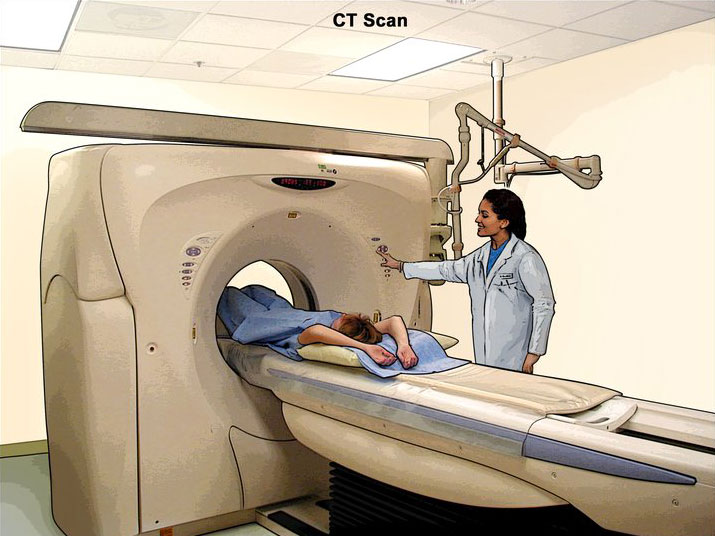
A computed tomography (CT) technologist earns a national average salary of roughly $83,000 to $85,000 per year in the United States, translating to an hourly wage between $40 and $44. Entry-level positions typically start near $65,000, while experienced technologists or those working in high-demand metropolitan areas frequently clear $115,000 annually.
Total compensation varies based on geographic location, facility type, certifications, and shift differentials. Healthcare providers lean heavily on imaging services, making diagnostic imaging a stable career path with predictable wage growth.
Average CT Technologist Salary Breakdown
Earnings scale relative to experience and positioning within the market. Entry-level professionals generally command lower base rates, but specialized credentials close that gap quickly.
- Entry-Level (Bottom 10% to 25%): $54,000 to $71,000 per year, or roughly $26 to $34 per hour.
- Mid-Career Average: $83,000 to $85,000 per year, or about $40 to $42 per hour.
- Top Earners (75th to 90th Percentile): $102,000 to $119,000+ per year, or $49 to $58+ per hour.
Key Factors Impacting CT Tech Pay
Geographic Location
Location remains the single biggest driver of salary variance. High cost-of-living states and regions with severe healthcare staffing shortages offer premium wages. California, New York, and Oregon consistently rank among the highest-paying states for medical imaging professionals, where average salaries often exceed $98,000. Conversely, rural areas in the Midwest and South may feature lower base pay, though lower living costs balance out the difference.
Facility Type and Setting
Where you practice alters your earning potential. Outpatient diagnostic imaging centers, large hospital networks, and level-one trauma centers compensate differently. Major enterprise hospital systems often provide stronger benefits packages and higher base rates than smaller private clinics, while travel CT technologists command significantly higher short-term contract rates.
Shift Differentials and Overtime
Hospitals operate around the clock, which creates financial incentives for off-hours staffing. Working nights, weekends, or holidays triggers shift differentials that boost regular hourly pay by an extra $3 to $10 per hour. Taking on on-call shifts further increases annual take-home pay.
Certifications and Career Advancement
Landing higher pay requires more than basic radiography credentials. Most employers require certification through the American Registry of Radiologic Technologists (ARRT) in radiography, followed by a post-primary certification in computed tomography.
Advancing into management or specialized roles yields larger pay bumps. Moving into a position like a chief CT technologist or radiology supervisor pushes average earnings past $119,000. Transitioning into travel assignments allows experienced techs to double their weekly earnings compared to permanent staff roles.
Common Mistakes That Limit Earning Potential
Many technologists stagnate financially because they overlook key career levers. Avoid these pitfalls to maximize your income:
- Staying stagnant in one department: Failing to cross-train in MRI or vascular interventional imaging keeps you locked into lower-tier pay scales.
- Ignoring shift differentials: Refusing to work undesirable shifts means missing out on crucial extra income multipliers.
- Failing to negotiate: Accepting the initial hospital offer without reviewing regional salary benchmarks leaves money on the table.
- Letting credentials lapse: Neglecting continuing education units (CEUs) required by the ARRT jeopardizes your active certification and employability.
Frequently Asked Questions
How much does a travel CT technologist make?
Travel CT technologists make significantly more than permanent staff, often earning weekly gross packages between $2,000 and $3,500 depending on location demand and stipend eligibility.
Is a CT tech paid more than an X-ray tech?
Yes. Because CT imaging requires specialized post-primary certification and deals with more complex diagnostic equipment, CT technologists generally earn 15% to 25% more than general X-ray technicians.
Does experience matter more than certification?
Both matter, but certification is a mandatory gatekeeper. You cannot practice or advance without proper ARRT credentials, while experience dictates where you fall within the salary band.
Can CT techs work part-time and still make good money?
Yes. Hourly rates for part-time and per diem (PRN) CT technologists are frequently higher than full-time rates because facilities pay a premium to cover sudden staffing shortages without committing to benefits.



