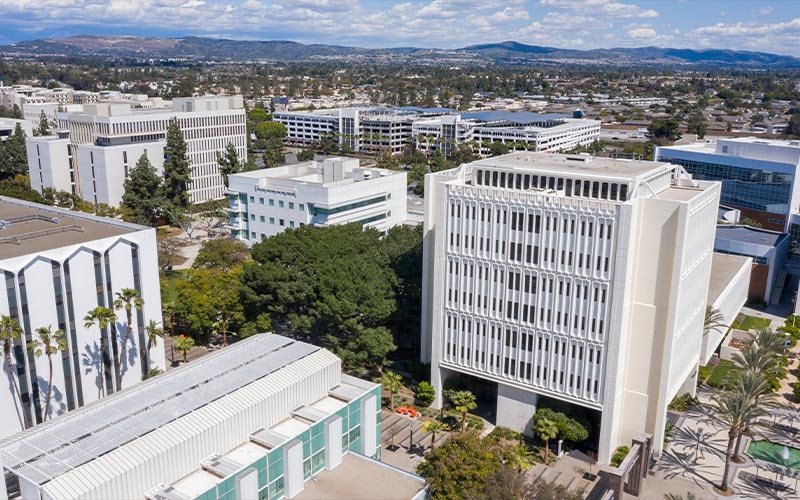
Navigating Cal State Fullerton doesn't have to feel like wandering through an unfamiliar maze. Whether you're rushing to an 8 AM lecture in McCarthy Hall or trying to track down a quiet study nook in the Pollak Library, knowing the campus layout makes all the difference. Cal State Fullerton spans over 240 acres in Orange County, housing thousands of students across dozens of buildings.
Finding your way around requires more than just a standard PDF map. You need to understand how the campus grid flows, where parking structures fill up fastest, and which hidden shortcuts will save you from being late. This guide breaks down the essential routes, building codes, and navigation tips so you can move across campus with absolute confidence.
Understanding CSUF Building Codes and Layout
Every classroom on campus features a code consisting of letters followed by numbers. Once you crack the naming convention, finding your room becomes straightforward.
The campus is centered around the Titan Student Union and the quad, acting as natural navigational anchors. Buildings on the west side tend to house the humanities and arts, while the science and math complexes sit predominantly toward the eastern and northern quadrants.
- MH (McCarthy Hall): Home to science and math departments. It's known for its complex interior layout, so give yourself extra time on your first visit.
- PL (Pollak Library): The main academic library, split into the older North Library and the newer South Library tower.
- TSU (Titan Student Union): The hub for dining, student organizations, and lounging between classes.
- HOH (Humanities-Social Sciences): A massive multi-story building hosting many general education lecture halls.
Parking Permits and Structure Strategies
Parking is one of the biggest initial hurdles for new students and visitors. CSUF operates multiple multi-level parking structures distributed around the perimeter of the campus.
State College Parking Structure and the Eastside Parking Structure are the largest facilities. If you arrive between 9 AM and 1 PM on weekdays, finding a spot on the lower levels is rare. Head straight to the upper decks where open spaces are more common.
- Permit Requirements: Daily virtual permits can be purchased via pay stations or through mobile apps. Don't risk parking without a valid permit, as enforcement is active year-round.
- Student vs. Visitor Parking: Make sure you park in designated student stalls if you hold a student permit. Faculty and staff stalls are strictly monitored.
- Alternative Transit: Many students utilize OCTA buses or carpool options to bypass the parking scramble entirely. Check out the OCTA transit planner for local bus routes connecting directly to campus.
Essential Walking Routes and Shortcuts
Walking across the entire campus takes about 15 to 20 minutes if you hit every crowd bottleneck. Knowing the pedestrian pathways helps you dodge peak foot traffic between class periods.
The central walkways paved with brick connect the quad to the library lawn. During class change times, these main arteries get packed.
- The Library Bridge: A vital elevated walkway connecting parking areas and the eastern side of campus straight into the heart of academic buildings.
- Internal Courtyards: Cutting through the interior courtyards of the humanities buildings often provides a quieter, shadier, and faster route than walking the perimeter sidewalks.
- Elevators vs. Stairs: In high-rise buildings like Pollak Library or McCarthy Hall, relying on elevators right before the hour leads to long waits. Use the stairwells if you're only going up two or three floors.
Digital Navigation Tools and Official Resources
While physical signage helps, digital tools provide real-time updates on room changes and campus events.
- Titan Mobile App: The official app includes an interactive campus map module, class schedules, and real-time updates.
- Official Parking Availability: Check parking capacity tools provided by CSUF Parking and Transportation before leaving home to see which structures have remaining capacity.
Frequently Asked Questions
Where is the best place to study between classes?
The Pollak Library offers multiple zones, ranging from silent study floors in the tower to collaborative group study rooms. If you prefer a livelier atmosphere with food options nearby, the Titan Student Union and the outdoor lawns provide great seating.
How do I find my specific classroom number?
Classroom numbers follow a standard format where the first letter represents the building code, the first digit indicates the floor number, and the remaining digits indicate the specific room. For example, room MH-486 is located on the fourth floor of McCarthy Hall.
What should I do if my parking permit doesn't print or register?
Visit the Parking and Transportation Services office located near the Nutwood Parking Structure immediately to resolve digital permit issues and avoid citations.
Are there campus shuttles for getting around?
CSUF primarily relies on walking paths, but accessibility services operate specialized transit for students with mobility needs. Contact the Office of Disability Support Services for specific accommodations.



