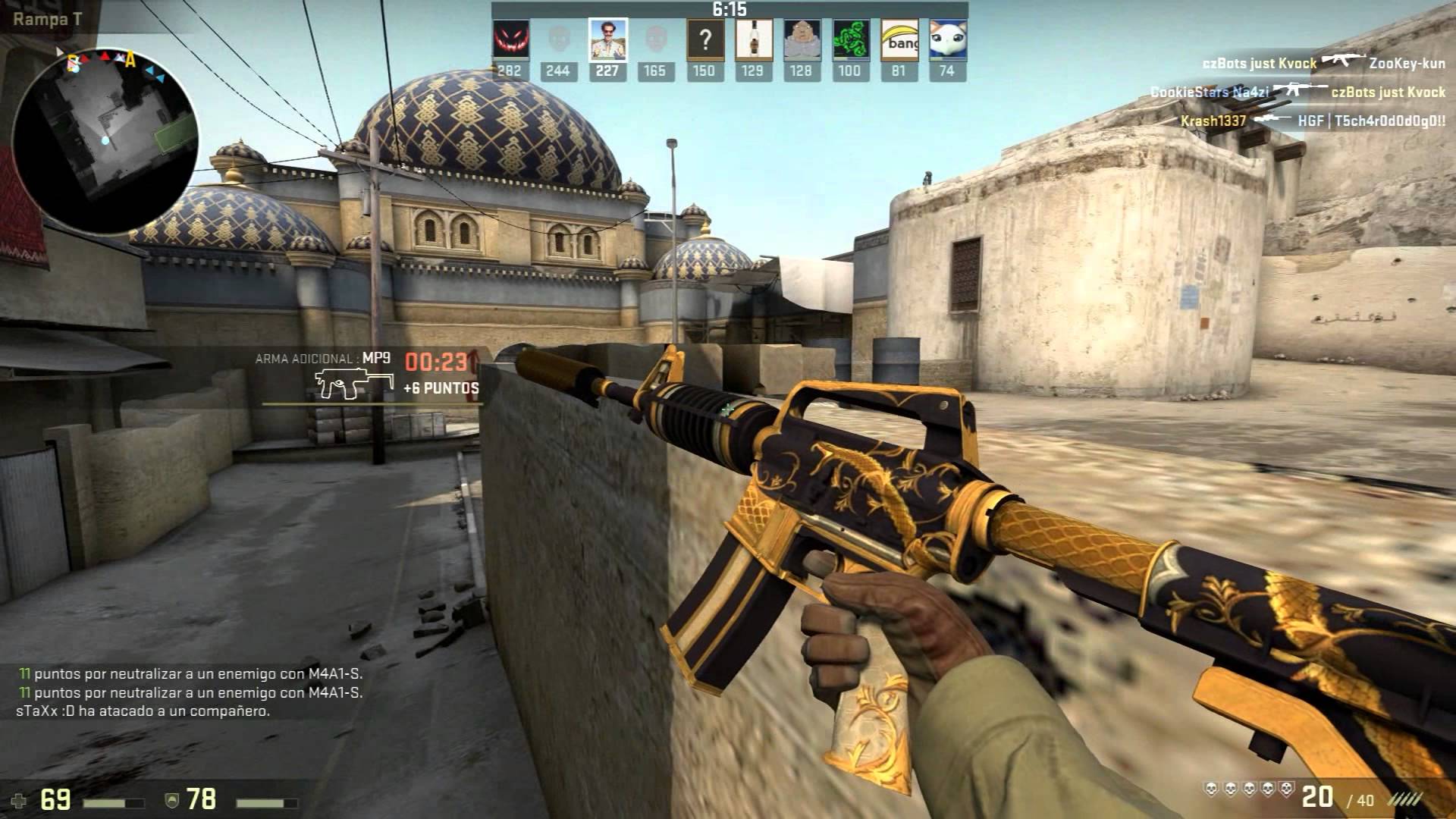
Playing csgo surf unblocked during a quick study break or free period offers a fast way to unwind without installing heavy software. Because network filters block standard gaming portals on campus computers, browser-based versions of the iconic Counter-Strike movement mode provide a clever workaround for students. You don't need a high-end graphics card or administrative rights to get started, just a standard web browser and an internet connection.
Surfing in Counter-Strike originated as a physics-based custom game mode where players glide along ramp-like surfaces using strafe keys and mouse movement to build immense speed. Browser adaptations recreate this momentum-driven experience using WebGL or HTML5, letting you practice airstrafing, synchronizing jumps, and navigating gravity ramps straight from a restricted network. If you've ever wanted to master smooth aerial movement without downloading gigabytes of game files, browser ports bridge that gap effectively.
Understanding Browser Surf Mechanics
Traditional Source engine surfing relies heavily on specific physics quirks, air acceleration, and tick rates. Browser ports adapt these core mechanics into lightweight packages that run smoothly inside Chrome, Firefox, or Edge. You won't have access to full weapon loads or competitive matchmaking, but the pure movement physics remain surprisingly faithful.
When you load a browser surf map, your character spawns on an inclined ramp. Holding down the corresponding strafe key while gently turning your mouse in that same direction builds speed rather than slowing you down. If you press the opposite strafe key while turning away from the wall, you'll slam directly into it and lose all your momentum. Getting comfortable with this rhythm takes practice, but once it clicks, you'll glide across gaps effortlessly.
Essential Control Setup
Most browser ports map standard movement keys, but tweaking your sensitivity makes a massive difference in how smoothly you can complete maps.
- A and D Keys: Your primary strafe keys. Never hold the W key while surfing, as forward input immediately kills your momentum on ramps.
- Mouse Sensitivity: Set a moderate sensitivity that allows you a full 180-degree turn with a comfortable swipe across your mousepad. Too high makes micro-adjustments impossible; too low traps you in tight turns.
- Spacebar: Used for precise jumps when transitioning from the end of one ramp to the start of another. Timing your jump determines whether you clear the gap or drop to the bottom.
How to Access Surf Maps on Restricted Networks
Most educational and institutional networks employ firewalls that block known entertainment domains, gaming hubs, and proxy sites. When students search for unblocked ports, they usually look for alternative domains, HTML5 re-hosts, or GitHub-hosted client builds that IT filters haven't flagged yet.
If a specific URL stops working, it's usually because the network administrator added that exact domain to the blacklist. Instead of hunting through endless shady link aggregators packed with intrusive ads, look for open-source repositories or educational tech projects that host WebGL builds. Sites that rely on clean HTML5 code load faster and don't require external plugins like Flash, which modern browsers dropped years ago. For official details on how web standards and security policies operate across institutions, check out the Mozilla Developer Network.
Step-by-Step Guide to Mastering Your First Surf Map
Jumping into a surf map for the first time can feel disorienting because your character moves much faster than in standard shooter games. Follow this structured approach to build muscle memory quickly.
- Find a Beginner Linear Map: Look for maps labeled as tier 1 linear or beginner friendly. Linear maps force you through a straight sequence of ramps, making navigation straightforward.
- Drop onto the First Ramp: Position your character at the top of the incline. Step off gently without pressing W, and press the strafe key corresponding to the side the wall is on.
- Align Your Crosshair: Keep your crosshair parallel to the angle of the ramp. If you look too steep into the wall, you'll crash; if you look too far away, you'll fall off.
- Practice Soft Corrections: Make tiny mouse adjustments rather than erratic jerks. Smooth cursor movement keeps your speed steady as you transition between ramps.
- Time Your Exits: As you reach the lip of the ramp, gently tap your jump key while aiming toward the next platform. Avoid holding down jump, or you'll lose control of your trajectory.
Common Mistakes Beginners Make
Every new player falls into the same few traps when learning how to surf. Avoiding these common errors cuts your learning curve in half.
- Holding the Forward Key: This is the absolute number one mistake. Pressing W overrides the ramp physics and halts your momentum instantly. Keep your fingers strictly on A and D.
- Panicking and Over-Turning: When you start gaining high speeds, it's easy to panic and swipe your mouse too hard. Smooth, minimal adjustments keep you glued to the surface.
- Ignoring Air Control: Surfing isn't just about sticking to ramps; it's about what you do in the open air between them. Practice gentle airstrafing to correct your flight path mid-jump.
Frequently Asked Questions
Can I play unblocked surf games on a Chromebook?
Yes. Because browser surf ports run on lightweight WebGL and HTML5 technologies, they run exceptionally well on Chromebooks and low-spec school laptops without requiring heavy hardware resources.
Do I need a mouse to play, or can I use a trackpad?
While you technically can use a trackpad, it's exceptionally difficult to maintain the smooth, continuous camera movement required for surfing. Using an inexpensive USB or wireless mouse makes a massive difference.
Why do I keep falling off ramps as soon as I spawn?
You're likely pressing the W key or turning your mouse too sharply into the wall. Let go of all movement keys except the appropriate strafe key, and keep your mouse movements gentle and parallel to the slope.
Are browser surf games safe from malware?
Reputable open-source or ad-free HTML5 game hosts are generally safe because they run locally inside your browser sandbox. However, you should always avoid clicking suspicious pop-up ads or downloading unverified executable files on school devices. For safe browsing guidelines and cybersecurity best practices, visit the Cybersecurity and Infrastructure Security Agency.



