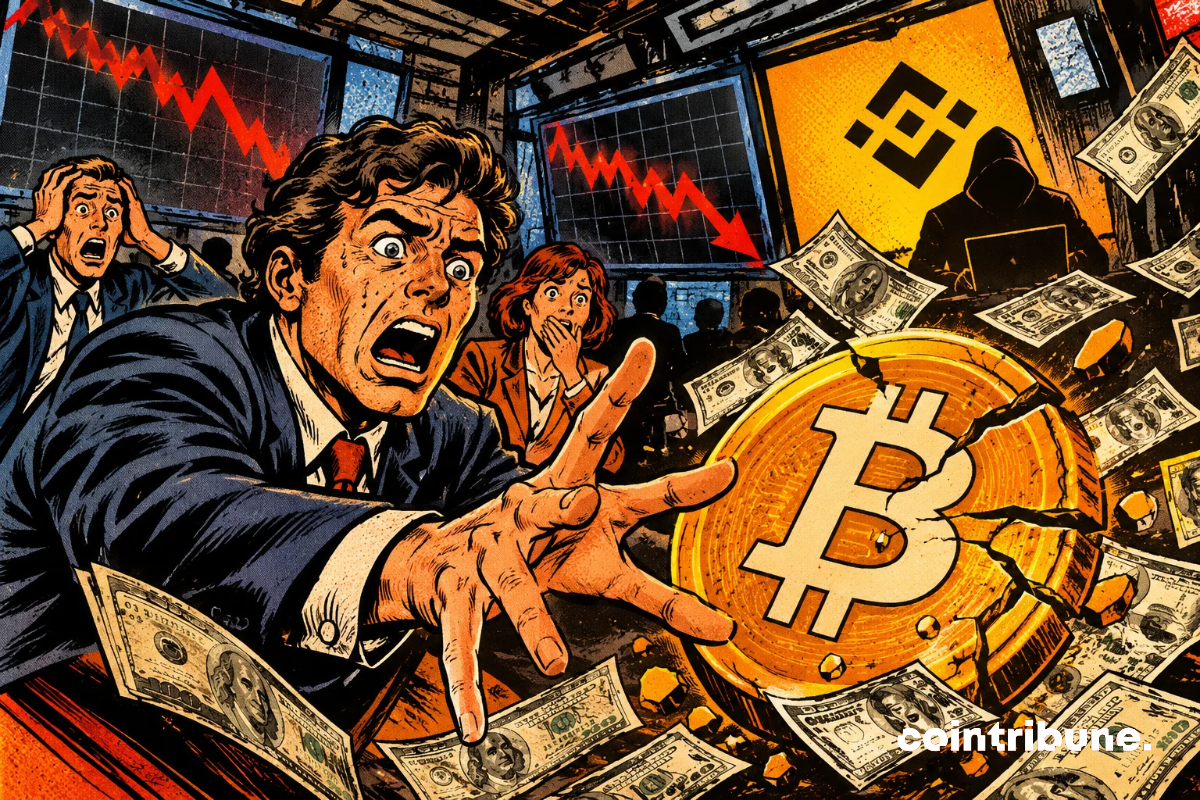
Cryptocurrency markets face rapid volatility as macroeconomic pressures, shifting liquidity, and changing network metrics trigger sharp movements across digital assets. Bitcoin, Ethereum, and Shiba Inu experience distinct price adjustments as traders react to shifting order books, shrinking volumes, and broader economic updates. Understanding these swings requires looking past the daily noise to examine liquidity shifts, technical support levels, and structural market mechanics.
Bitcoin Volatility and Macro Pressures
Bitcoin continues to dictate the broader market direction, handling billions in daily trading volume while reacting intensely to macroeconomic data. Recent sessions show Bitcoin swinging by thousands of dollars within single 24-hour windows as buyers and sellers clash near key technical boundaries. Equity market correlation also plays a growing role, with publicly traded crypto stocks and tech equities experiencing parallel risk-off movements that spill over into digital asset spot prices.
When macroeconomic uncertainty rises, institutional capital often pauses fresh deployment. This hesitation leads to sudden liquidity crunches where order books thin out. Market makers widen their spreads to protect against downside risk, causing spot prices to react violently to relatively small market orders. Traders monitoring Bitcoin must watch exchange reserve balances, derivatives open interest, and macroeconomic inflation prints to anticipate these sudden liquidity-driven shifts.
Ethereum Volume Slumps and Technical Resistance
Ethereum faces a different set of challenges, highlighted by a notable contraction in trading volume. Recent data shows Ethereum daily volume dropping to multi-month lows, with volume-to-market-cap ratios sitting significantly lower than Bitcoin's. This volume drought creates a thin order book environment, meaning individual large trades can push the price disproportionately up or down.
Key technical indicators, including moving averages like the 200-day line, act as heavy overhead resistance when buyer participation dries up. Without sustained volume inflows, breaking through established moving averages becomes difficult, trapping the asset in tight sideways ranges punctuated by sharp liquidations. Staking yields, protocol upgrade timelines, and Layer 2 adoption metrics continue to influence long-term sentiment, but short-term price action remains tied directly to spot liquidity.
Shiba Inu and Meme Coin Sentiment Shifts
Shiba Inu operates within the high-beta meme coin sector, where sentiment shifts amplify every broader market movement. When Bitcoin and Ethereum experience downward pressure or consolidation, speculative tokens like Shiba Inu often see magnified drawdowns as retail capital retreats to safety. Conversely, any sudden influx of risk-on sentiment can trigger rapid double-digit rallies.
Network activity for meme tokens depends heavily on community engagement, social volume, and speculative momentum rather than traditional utility metrics. Recent multi-month comparisons show Shiba Inu testing crucial historical baselines. Traders navigating these volatile tokens must manage risk tightly, as thin liquidity during market downturns can result in severe slippage on decentralized exchanges.
How to Navigate High Volatility Markets
Managing a portfolio through wild market swings requires strict discipline and a clear understanding of exchange mechanics. Implementing structured protocols helps protect capital during turbulent periods.
- Prioritize Limit Orders: In thin order book environments, market orders can execute at poor average prices due to slippage. Using limit orders ensures you control your exact entry or exit price.
- Monitor Volume Trends: Price movements unaccompanied by strong trading volume often lack sustainability. Always cross-reference price breakouts with volume indicators on CoinMarketCap or major analytics dashboards.
- Account for Tax and Holding Rules: Understand local jurisdiction timelines, such as short-term versus long-term holding classifications, to avoid unexpected tax liabilities during frequent rebalancing. For instance, review guidelines from tax authorities like the Internal Revenue Service regarding digital asset transactions.
- Diversify Risk Exposure: Avoid concentrating capital in high-beta altcoins or meme tokens during periods of macro economic instability. Balance speculative holdings with large-cap baseline assets.
Common Mistakes to Avoid During Big Swings
Emotional decision-making remains the primary driver of retail investor losses during major market fluctuations. Avoiding common pitfalls helps preserve long-term capital.
- Chasing Green Candles: Entering positions after a massive parabolic move often results in buying local tops right before a correction.
- Ignoring Order Book Depth: Assuming an asset can be bought or sold instantly in large quantities without moving the price ignores reality, especially during weekend volume lulls.
- Over-Leveraging Derivatives: Using high leverage amplifies liquidation risks when sudden flash crashes sweep through the market.
Frequently Asked Questions
Why do crypto prices swing so drastically compared to traditional stocks?
Cryptocurrency markets operate 24 hours a day without circuit breakers, and many digital assets have lower overall market capitalization and thinner order books than mega-cap equities. This combination allows large orders to impact spot prices much faster.
How does low trading volume affect Ethereum?
Low trading volume creates a thin order book, meaning there are fewer active buyers and sellers. In this environment, a single moderate market order can cause noticeable price gaps because there are not enough intermediate orders to absorb the trade smoothly.
What causes meme coins like Shiba Inu to drop faster than Bitcoin?
Meme coins rely heavily on speculative retail sentiment and high-risk appetite. When market conditions tighten, risk-off behavior causes capital to flee high-beta assets first, heading toward stablecoins or large-cap reserves like Bitcoin.
Should I use limit orders or market orders during high volatility?
Limit orders are generally preferred during volatile periods because they let you specify the exact price you are willing to accept, protecting you from severe slippage in thin markets.



