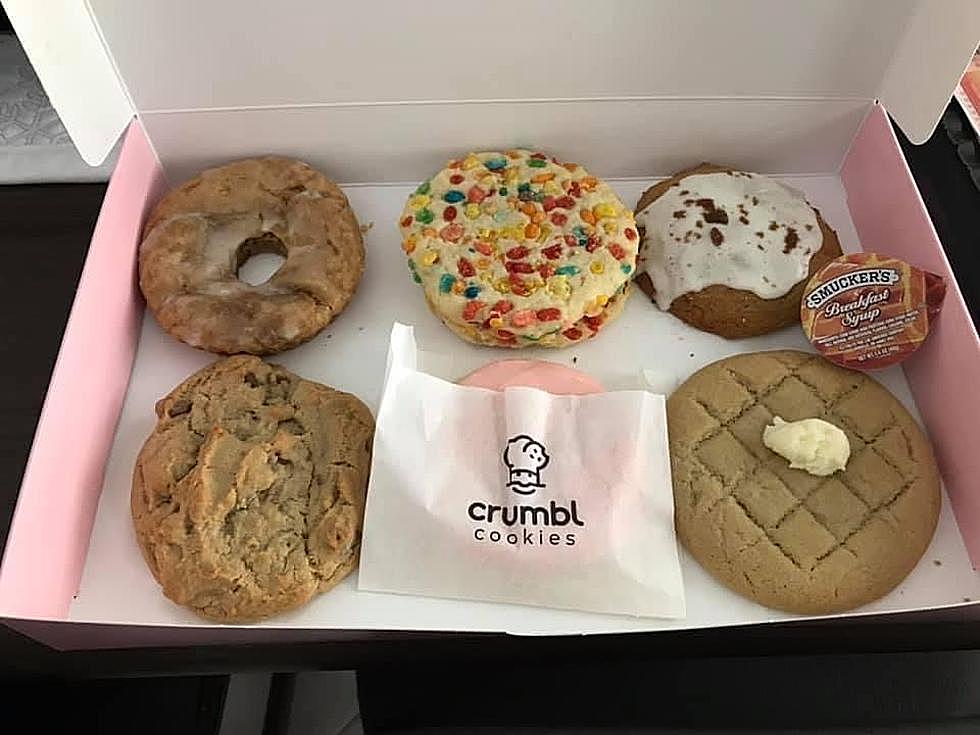
Crumbl Cookies didn't scale into a retail giant by baking a better chocolate chip cookie. They won by turning a standard bakery menu into a high-frequency media engine. Every week, millions of consumers check for new drops, fueling a retail model built entirely on artificial scarcity and social media validation. Understanding how this system works requires looking past the frosting and examining the core mechanics of modern food retail strategy.
At its heart, the weekly drop creates an immediate window of urgency. While legacy bakeries rely on stable, predictable menus, this brand treats its lineup like a fashion collection. When items disappear after seven days, customers face an immediate choice: buy now or miss out permanently. This operational rhythm reshapes consumer habits, turning casual snack runs into deliberate, planned events.
The Mechanics of the Weekly Rotation
The rotating menu solves a major problem in modern food service: menu fatigue. When consumers have endless options, decision paralysis sets in. By limiting choices to a tightly controlled set of weekly offerings, the company simplifies the purchase decision while maximizing excitement.
This structure relies on a precise balance of staples and rotating experiments:
- The Anchor Item: The milk chocolate chip cookie remains available every single week, providing a consistent baseline for traditional buyers.
- The Rotating Lineup: Four to five specialized flavors change weekly, ranging from dense cheesecakes to nostalgic cereal-themed treats.
- The Regional Tests: Occasional test items appear in select markets to gauge consumer appetite before a wider rollout.
This constant rotation acts as a built-in content engine. Food reviewers, TikTok creators, and casual fans don't need to guess what to post about on Monday mornings. The new menu drop provides instant subject matter, driving organic reach that traditional advertising budgets couldn't easily buy.
Psychological Triggers and Scarcity Marketing
Scarcity is one of the oldest tricks in retail, but applying it to perishable baked goods changes customer behavior entirely. When a product carries an expiration date on its availability, it shifts from a simple food item to a collectible experience.
Consumers frequently engage in completionist buying—purchasing the entire box of six flavors not because they want every single cookie, but to participate in the shared cultural moment. This behavior is reinforced across digital platforms where unboxing videos, taste tests, and ranking charts turn personal consumption into public performance.
The packaging itself plays a silent strategic role. The iconic long pink box was designed from day one to be instantly recognizable across social feeds. Holding that box on camera signals immediate cultural relevance, effectively turning every customer into an uncompensated brand ambassador.
Strategic Shifts in the Broader Dessert Market
As competition intensifies, operating a viral food brand requires more than just weekly novelty. Maintaining rapid growth across more than a thousand franchise locations demands strict quality control and supply chain precision. When new recipes roll out simultaneously nationwide, ingredient consistency becomes a massive operational hurdle.
Competitors are taking notice, adopting similar limited-time drop models for everything from premium water bottles to specialty snacks. However, replicating Crumbl's success isn't just about changing flavors. It requires a synchronized ecosystem where supply chains, digital marketing, and local franchise execution move at the exact same speed.
For a deeper look at how demographic shifts and consumer habits influence food trends, check out insights from Forbes. Operational scaling challenges in the franchise sector are also widely documented by financial analysts at Bloomberg.
Common Pitfalls in Scarcity-Driven Retail
Brands attempting to replicate this weekly-drop model often run into predictable traps. Understanding these mistakes helps clarify why simple imitation rarely works.
- Overcomplicating Production: Introducing complex baking steps for every weekly variant can overwhelm kitchen staff and lead to inconsistent product quality across franchise stores.
- Ignoring the Baseline: Relying entirely on novelty without a reliable anchor product alienates customers who prefer familiar comforts.
- Fatiguing the Audience: If every single week feels like an over-the-top, screaming emergency, consumers eventually tune out the marketing hype. Urgency must be paced carefully.
Frequently Asked Questions
Why do Crumbl cookie flavors change every week?
The weekly rotation prevents menu fatigue and triggers scarcity marketing. By limiting availability to seven days, the brand encourages customers to visit immediately rather than postponing their purchase.
Are the weekly cookie flavors identical at every location?
Most domestic locations feature the same core lineup each week, though occasional regional test markets feature unique items before a national rollout.
How does the brand announce upcoming flavors?
Official menus drop every Sunday evening across major social media channels and the dedicated mobile application, though fan communities often circulate unconfirmed spoilers days in advance.
Can customers freeze these cookies for later?
Yes, many fans freeze richer or chilled varieties to extend their shelf life, though warm-served specialty cookies are generally engineered to be consumed immediately for optimal texture.


