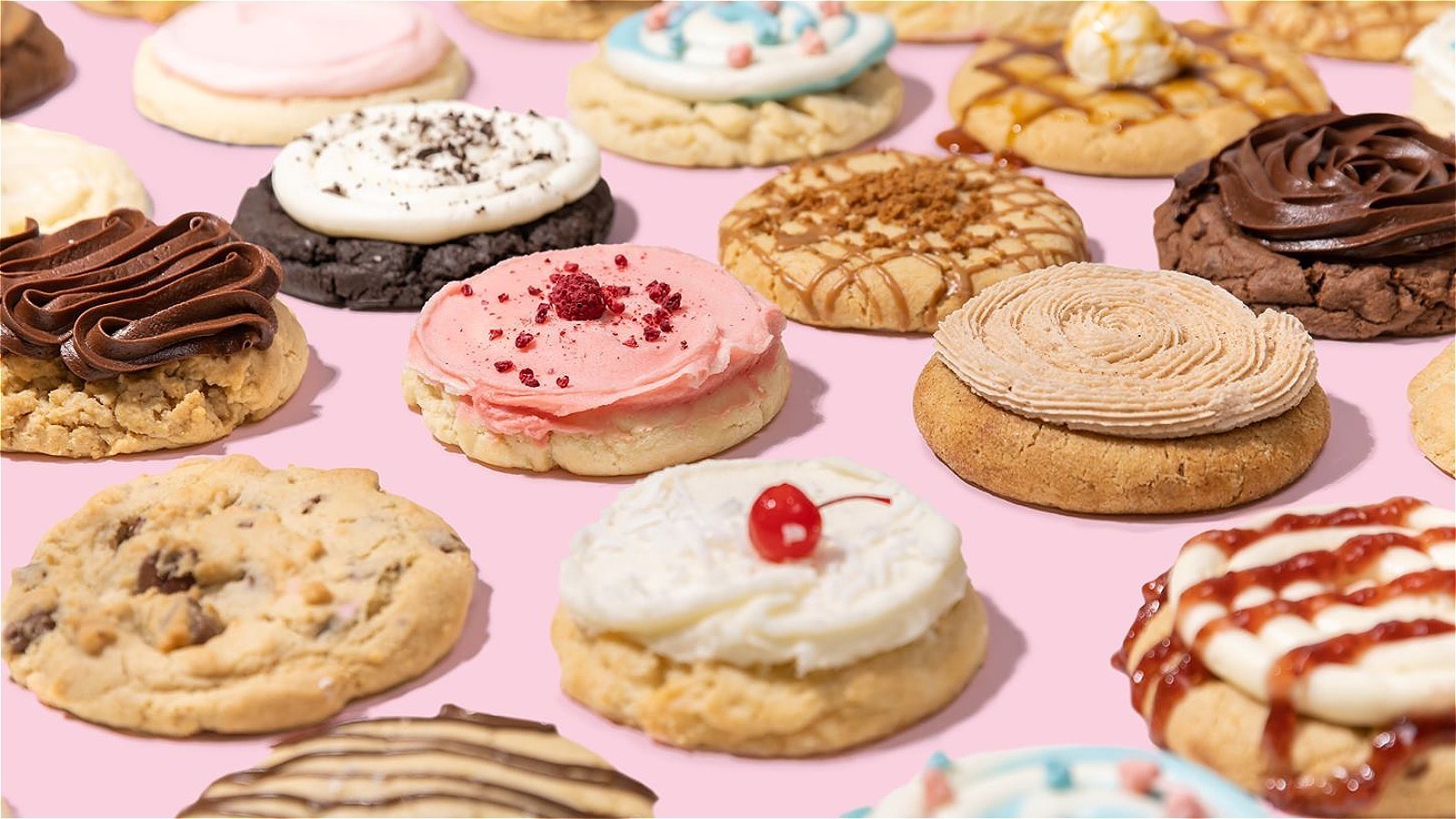
Crumbl Cookie spoilers drive a massive online economy of anticipation. Every week, dessert fans hunt for early leaks of the rotating menu, turning a simple box of baked goods into a high-stakes cultural event. This obsession with upcoming flavors intersects directly with the broader rise of subscription boxes, reshaping how bakeries sell treats and how consumers consume sweets.
Instead of treating dessert runs as spontaneous purchases, modern consumers want curated, automated consistency. This shift explains why bakery subscription models and early flavor drops have become powerful marketing tools, even as brands struggle to balance predictable recurring revenue with the chaos of weekly menu changes.
The Mechanics of Crumbl Spoilers and Weekly Hype
Crumbl built its empire on scarcity. By swapping out four of its six core flavors every single week, the brand creates an artificial ticking clock. Fans cannot assume their favorite chocolate chunk or specialty cheesecake cookie will be available next Tuesday. This design forces weekly check-ins, app openings, and social media deep-dives.
Internet sleuths track supply shipments, test kitchen leaks, and regional employee disclosures to publish upcoming menus days before the official reveal. These spoilers serve a functional purpose for consumers. If a specific week features flavors you dislike, you save your money. If a dream lineup drops, you clear your schedule.
- Scarcity Marketing: Limited availability drives immediate foot traffic and digital orders.
- Community Intelligence: Reddit threads, TikTok accounts, and dedicated fan sites coordinate to verify leaked test batches.
- Behavioral Shifts: Consumers plan their cheat days and social gatherings around bakery release schedules.
Why Subscription Boxes Dominate the Food Industry
Subscription boxes promise convenience and discovery. In the snack and bakery sectors, recurring delivery models remove decision fatigue. Consumers pay a flat monthly fee to receive curated boxes without lifting a finger.
The subscription model thrives on habit loops. Once a customer enters a recurring billing cycle, churn rates depend heavily on variety and perceived value. In the past, bakeries relied on walk-in traffic and holiday gift boxes. Today, automated deliveries secure predictable cash flow while turning casual buyers into loyal brand subscribers.
Specialty dessert brands face unique hurdles here. Cookies stale quickly, and shipping logistics add substantial overhead compared to digital goods or shelf-stable coffee beans. Despite these challenges, consumer appetite for recurring food drops remains remarkably high.
The Friction Between Subscriptions and Rotating Menus
Merging a subscription box model with a rapidly rotating menu creates a operational paradox. Traditional subscription services like coffee beans or razor blades send identical or customizable-yet-steady items on a reliable cadence. Crumbl thrives on complete unpredictability, changing most of its lineup every seven days.
When early subscription experiments or third-party workarounds attempted to automate cookie deliveries, friction emerged. Customers complained about rigidity. If you subscribe to a four-pack of cookies, but next week features four flavors you despise, you need a frictionless way to skip or swap.
- The Box Size Problem: Rigid tier structures make it hard to scale from a single consumer to a family gathering.
- Flavor Fatigue: Subscribers locked into recurring plans often cancel if consecutive weekly drops miss their personal preferences.
- Logistical Hurdles: Managing perishable frostings, warm-baked textures, and shipping integrity at scale strains standard supply chains.
How Brands Capitalize on Anticipation Marketing
Modern food brands don't just sell products; they sell participation. When a bakery leaks its menu early, it outsources marketing to the consumer base. Fans argue over flavor profiles, tag friends, and build hype organically.
This dynamic changes the power balance between brand and buyer. Brands that attempt to lock down tight secrecy often face backlash from communities that treat spoilers as a public right. Successful dessert franchises lean into the anticipation, using rewards apps and status tiers to gamify the experience.
You see this strategy reflected in how loyalty programs operate. Earning digital currency or unlocking voting rights for future menus keeps consumers tethered to the ecosystem even when they aren't actively buying a box.
Frequently Asked Questions
Can you actually subscribe to a recurring Crumbl Cookie delivery?
Official recurring subscription plans for the weekly rotating menu are limited because of how frequently the flavor lineup changes. Most regular buyers instead rely on the mobile app, local pickup orders, and Crumbl Rewards to streamline their purchases.
Where do weekly cookie spoilers come from?
Spoilers typically leak through supply chain disclosures, early regional rollouts in test markets, ingredient shipments received by franchise locations, and internal app data code parsed by dedicated fan communities.
Why do dessert subscription boxes fail or struggle?
Perishability is the primary obstacle. Cookies dry out, frostings melt, and shipping costs eat into profit margins. Maintaining fresh, bakery-quality standards through standard mail carriers requires specialized packaging that drives up consumer costs.
How do loyalty programs replace traditional food subscriptions?
Programs like Crumbl Rewards use digital points ("Crumbs") and tier statuses to mimic the retention benefits of a subscription. Instead of auto-billing a credit card, they incentivize frequent manual purchases by offering free items and exclusive voting privileges.



