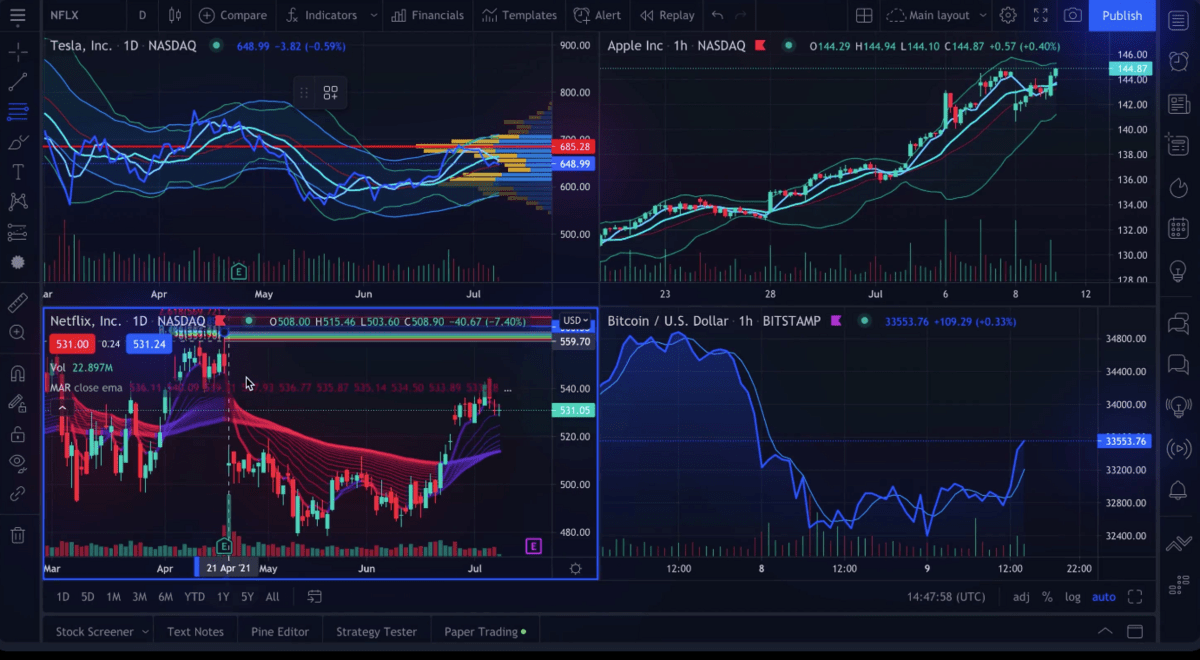
Crude oil analysis today shows prices stabilizing below the $100 threshold as diplomatic efforts in the Middle East ease immediate supply disruption fears. Markets are currently balancing shifting geopolitical negotiations against steady production quotas from the Organization of the Petroleum Exporting Countries and its allies. If you trade or invest in energy assets, you're tracking a market driven heavily by short-term headlines, macroeconomic inventory reports, and evolving global demand metrics.
Understanding where crude oil stands right now requires looking past the daily ticker tape. Prices respond instantly to supply shifts, yet long-term valuation depends on refinery throughput, global manufacturing activity, and strategic inventory changes managed by institutions like the U.S. Energy Information Administration. Let's break down the core components shaping today's petroleum landscape.
Supply and Demand Fundamentals
At its core, global pricing comes down to basic availability versus consumption. When extraction rates outpace demand, storage fills up and prices drop. When consumption surges or production stalls, barrels command a premium.
OPEC+ policy meetings remain the single most influential variable on the supply side. By keeping production quotas steady through the end of the year, major producers are actively managing inventory levels to prevent steep sell-offs. Meanwhile, non-OPEC production—particularly from North American shale basins—continues to operate near record highs, buffering global supply against unexpected shortfalls.
Demand tells a more nuanced story. While transportation fuel consumption remains robust, industrial demand fluctuates alongside manufacturing indices in major economies like China, Europe, and the United States. Analysts monitor weekly data from bodies like the International Energy Agency to spot early signs of consumption slowdowns or recoveries.
Geopolitical Risk Premiums
Energy markets carry an inherent political markup. Whenever tensions rise in major petroleum-producing regions, traders price in potential bottlenecks long before a physical barrel is disrupted.
Recent diplomatic talks and negotiations have helped strip some of that risk premium out of the market, sending prices down from earlier peaks. However, this volatility cuts both ways. A sudden breakdown in talks or logistical blockages in critical transit chokepoints can reverse market sentiment within hours.
Key Geopolitical Watchpoints
- Transit Chokepoints: The security of maritime trade routes, such as key Middle Eastern straits, dictates whether tankers move freely.
- Sanctions and Compliance: Restrictions on major oil-exporting nations force crude into secondary shadow networks, altering regional pricing spreads.
- Strategic Reserves: Governments release or replenish state stockpiles based on domestic price pressures, directly influencing short-term spot liquidity.
Technical Analysis and Price Action
Technical traders look at charts, moving averages, and support levels to gauge market momentum. Right now, crude oil is testing key psychological support zones around the mid-nineties.
If prices hold these support levels, buyers may step in to build long positions ahead of winter heating demand. If these floors fail, algorithmic selling could accelerate downward momentum toward lower technical targets established earlier in the cycle. Watch trading volume closely during these tests; low-volume pullbacks often lack the conviction of high-volume sell-offs.
Common Mistakes in Energy Market Analysis
Many market participants misread crude movements because they rely on flawed assumptions. Avoid these frequent traps when evaluating your positions:
- Treating oil as a monolith: Brent crude and West Texas Intermediate serve different markets, regional refining needs, and delivery logistics. Their price spreads shift constantly.
- Ignoring inventory data: Weekly inventory reports from the American Petroleum Institute and official government agencies often trigger immediate volatility that overrides longer-term technical trends.
- Chasing headline noise: Reacting to every single breaking news alert without checking the underlying supply reality leads to whipsaw losses.
Frequently Asked Questions
What drives daily crude oil price movements?
Prices fluctuate based on real-time supply updates, inventory reports, macroeconomic data releases, currency fluctuations (especially the US Dollar), and geopolitical headlines affecting production or transport.
Why is there a difference between Brent and WTI?
Brent crude is sourced from the North Sea and serves as the international benchmark for maritime-traded oil, while West Texas Intermediate represents US domestic sweet crude tied to landlocked storage hubs like Cushing, Oklahoma.
How do interest rates impact oil prices?
Higher interest rates strengthen the US Dollar and increase borrowing costs for holding physical inventory, which typically weighs down commodity prices. Lower rates tend to stimulate economic activity and boost energy demand.
Can individual retail investors trade crude oil?
Yes, retail participants gain exposure through futures contracts, exchange-traded funds, options, or shares of exploration and production companies, though each instrument carries distinct risk profiles.