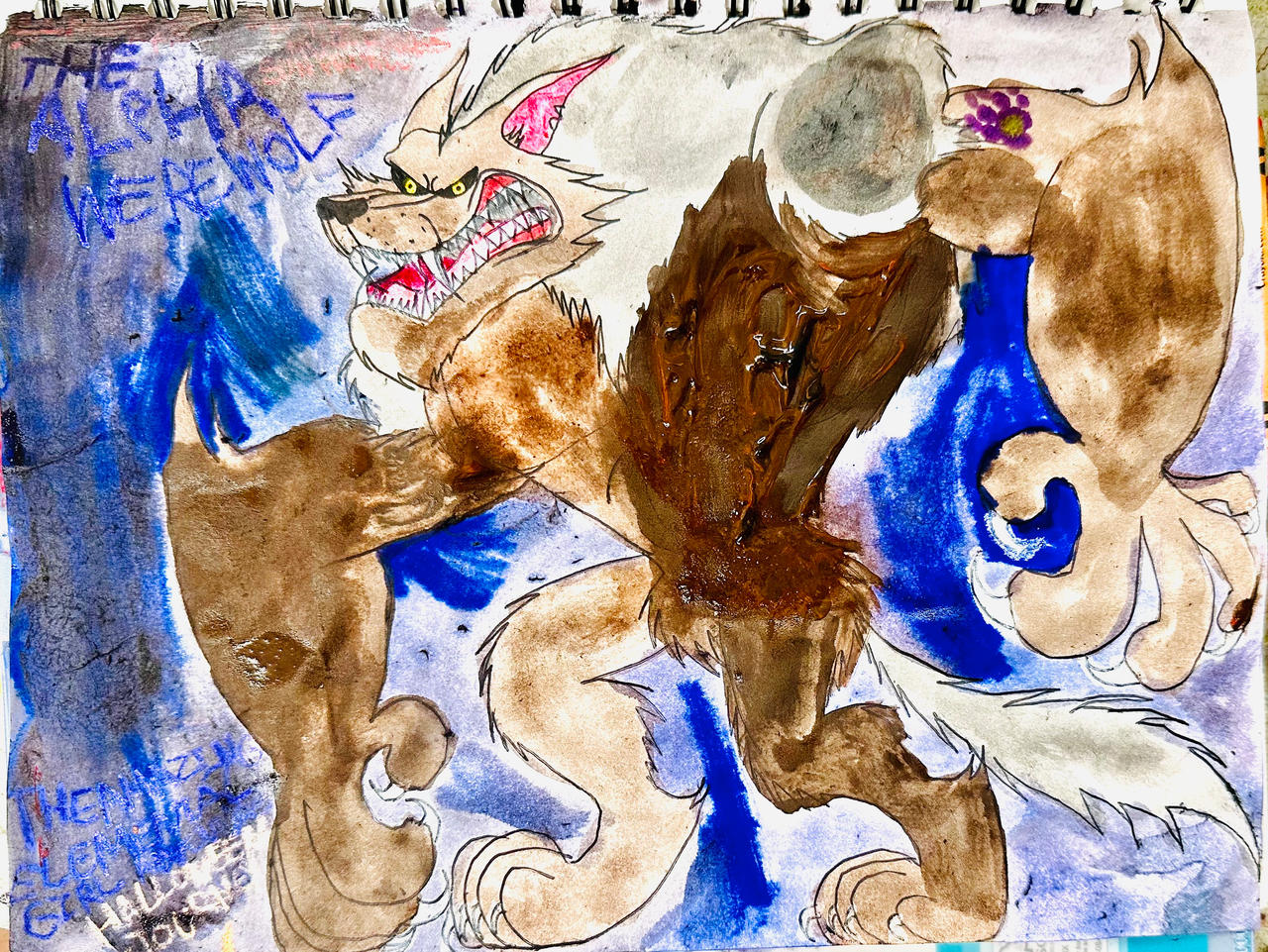
Drawing a convincing crouching figure requires balancing compressed skeletal compression, weight distribution, and balance points. When you strip away generic advice, a successful crouch relies on understanding how the pelvis tilts, how the spine compresses, and how the center of gravity shifts directly over the contact points of the feet.
To capture a stable or dynamic crouch quickly, establish your line of action early. If the character is resting their full weight on flat feet, the center of gravity falls between the heels and toes, creating a stable, grounded silhouette. If they're poised on the balls of their feet like a sprinter or a martial artist, the body prepares for explosive forward or upward motion, shifting tension into the calves and core.
The Skeletal Mechanics of a Crouch
When the human body folds into a deep squat or crouch, the major joints undergo extreme flexion. The hip joint rotates inward and flexes tightly against the torso, which drastically shortens the visual distance between the ribcage and the pelvis.
- Pelvic Tilt: The pelvis usually tilts posteriorly or neutrally depending on spinal extension. In a slouched, resting crouch, the lower back rounds outward. In an active, alert stance, the lower back maintains a slight arch.
- Knee Angle: The knees fold past a 90-degree angle, often tucking tightly against the chest or flaring outward depending on foot placement.
- Ankle Dorsiflexion: Full foot contact requires extreme dorsiflexion at the ankle. If your subject's heels lift off the ground, they're resting on the balls of their feet, which immediately signals instability or readiness to spring.
For detailed skeletal breakdowns of joints during extreme flexion, you can review reference materials provided by Anatomy for Sculptors.
Weight Distribution and Balance Points
Every pose needs a clear center of gravity to look realistic rather than floating or falling over. In a crouching pose, draw an imaginary vertical plumb line down from the pit of the neck. That line must fall within the base of support—the area covered by the feet.
- Heels Down (Balanced & Heavy): When the entire foot is flat on the ground, the character looks relaxed, exhausted, or hidden. The torso rests comfortably between or on top of the thighs.
- Toes Only (Spring-Loaded & Dynamic): When the heels lift high, the center of gravity moves forward. The hands often touch the ground to stabilize the upper body's weight, creating a triangular base of support with the feet and hands.
- Asymmetrical Shifts: Shifting weight onto a single leg while the other trails out sideways adds immediate narrative tension. One knee points upward while the other drops low toward the floor.
Step-by-Step Construction Method
Building a crouching pose from scratch prevents common proportion errors like elongated thighs or missing torso compression.
- Map the Head and Torso Box: Draw the head and block in the ribcage and pelvis first. Keep in mind that the ribcage and pelvis will be much closer together than they are in a standing pose.
- Establish the Line of Action: Draw a sweeping curve from the head, down through the compressed spine, and out through the primary supporting leg or foot.
- Locate the Contact Points: Mark where the feet touch the ground before drawing the legs connecting them to the pelvis. This anchors your proportions early.
- Wrap the Limbs: Draw the thighs folding tightly against the upper body. Remember that muscle mass squashes and bulges when compressed against itself.
- Add Hands and Arms: Let the arms hang loosely between the knees or press against the ground for balance. Hands in a crouch often express the character's emotional state—clenched fists show aggression, while flat palms show readiness.
Common Mistakes to Avoid
Artists often struggle with crouching poses because they rely on memory rather than structural logic. Watch out for these frequent pitfalls:
- Uncompressed Torsos: Drawing a full standing torso length between the hips and ribs. In a deep crouch, the torso compresses, and the stomach muscles bunch up.
- Floating Figures: Forgetting to account for gravity. If the feet aren't firmly placed relative to the center of gravity, the character will look like they're floating in mid-air.
- Ignored Perspective: Failing to foreshorten the thighs and shins. Because limbs are pointing toward or away from the viewer in a crouch, they will appear much shorter than their actual length.
Practicing gesture drawings from live reference photos helps train your eye to spot these compression and foreshortening shifts instantly.
Frequently Asked Questions
How do I make a crouching pose look dynamic instead of stiff?
Focus on asymmetry and tension. If both legs mirror each other perfectly, the pose looks robotic. Angle one knee higher than the other, tilt the shoulders slightly, and have the character look off-center to inject life into the silhouette.
Why do my crouching characters always look like they are falling over?
This usually happens because the center of gravity falls outside the footprint base. Check your vertical plumb line; if the torso weight extends past the toes or heels without a hand touching the ground to catch the balance, the pose violates physics.
Should I draw the skeleton first or start with gesture lines?
Always start with quick gesture lines to capture the flow and energy, followed by simplified geometric blocks for the ribcage and pelvis. Detailed anatomy should only be layered on after you confirm the balance and proportions work at a thumbnail scale.
How do I handle clothing folds in a crouching pose?
Clothing bunches up heavily around compressed joints like the groin, back of the knees, and armpits. Draw fabric tension lines radiating outward from points where the body presses against the cloth, rather than adding random wrinkles.


