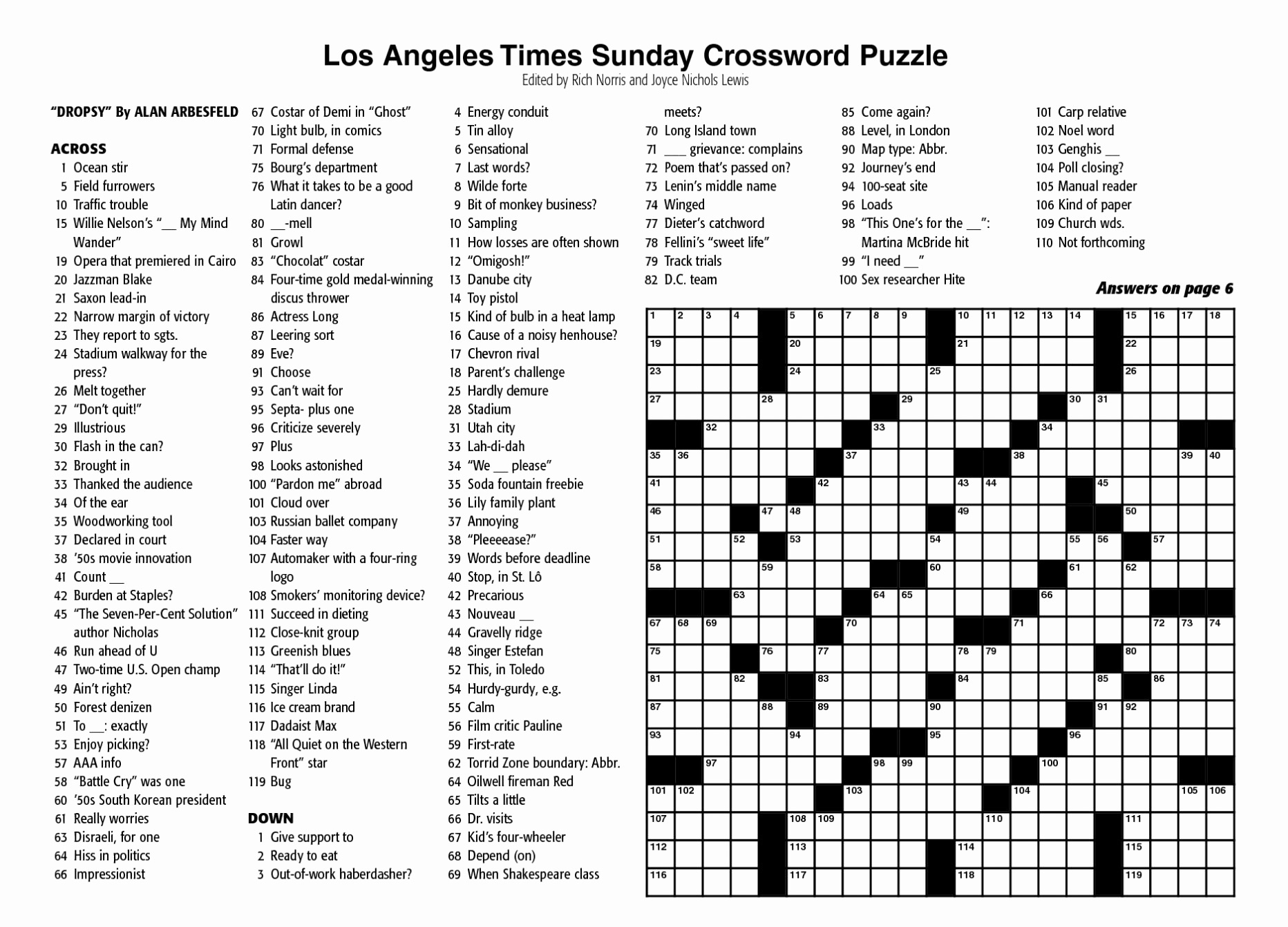
Crossword puzzle hint solvers have shifted from controversial cheats to popular mental training aids. When you hit a wall with an obscure clue, these digital tools let you input letter counts and known characters to generate accurate suggestions instantly, keeping your momentum going without ending the game in frustration.
Beyond just giving you answers, modern solvers change how you approach wordplay by highlighting patterns, exposing you to unfamiliar synonyms, and sharpening your lateral thinking. Here's a look at how digital solvers work, how they impact cognitive fitness, and how to use them without ruining the challenge.
How Crossword Solvers Work Under the Hood
A digital puzzle solver isn't just a basic dictionary lookup. It uses algorithms designed to parse constraints like character limits, wildcard positions, and thematic categories.
When you enter a clue or a pattern like S _ _ T _, the tool cross-references extensive databases of historical crossword entries, colloquialisms, and common abbreviations. These databases account for the specific quirks of different publications, since a clue in a daily newspaper often uses different naming conventions than a themed Sunday puzzle. As extensively documented in recent coverage by Reuters, the results are worth noting.
- Pattern Matching: Filtering words by fixed letter positions to narrow down candidates quickly.
- Anagram Handling: Rearranging scrambled letters, which is essential for solving cryptic clues.
- Synonym Expansion: Surfacing semantic matches that extend beyond standard definitions.
- Intersection Tracking: Cross-referencing letters from solved down or across clues to validate options.
Using these filters helps you understand why a particular word fits the grid rather than just filling it in blindly.
Striking the Balance: Using Solvers as Training Wheels
Purists often worry that digital tools strip away the mental satisfaction of solving a difficult puzzle. However, treating a solver as a mentor rather than a crutch completely changes the dynamic.
When you get stuck on a tricky clue, peeking at a single intersecting letter or a suggested synonym can unlock the rest of the puzzle independently. This approach prevents frustration-quitting while still exercising your problem-solving muscles.
- Set a timer: Give yourself five minutes of genuine effort before consulting any external help.
- Use partial hints: Look up letter counts or a single intersecting letter instead of the full answer.
- Analyze the why: Once you see the correct word, trace backward to figure out why the clue was structured that way.
This habit transforms passive looking up into active learning, helping you recognize recurring puzzle tropes like puns, abbreviations, and foreign loan words in future grids.
Cognitive Benefits of Digital Word Games
Engaging with word puzzles stimulates regions of the brain associated with vocabulary retention, memory retrieval, and cognitive flexibility. Adding a digital solver into the routine doesn't diminish these benefits—in fact, it can enhance them by keeping you engaged longer.
Research into lifelong learning shows that maintaining a moderate level of mental challenge promotes neuroplasticity. When you use a solver to bridge a gap in your knowledge, you acquire new semantic connections on the spot. Over time, this expands your mental lexicon and speeds up word retrieval during daily conversation.
Therapists and educators also utilize scaffolded puzzle tools to support language learners and patients recovering from cognitive fatigue. By adjusting the level of assistance, they provide a safety net that encourages persistence and builds confidence.
Common Mistakes When Using Crossword Solvers
Relying too heavily on digital tools can backfire if you aren't intentional about your process. Watch out for these common pitfalls:
- Instant lookup: Giving up on a clue immediately trains your brain to avoid hard thinking.
- Ignoring context: Selecting a word that fits the letter count without checking if it makes sense with intersecting clues.
- Skipping review: Failing to read up on unfamiliar terms or historical references found via the solver.
By avoiding these traps, you ensure that technology serves your mental growth rather than replacing it.
Frequently Asked Questions
Do crossword solvers work on cryptic clues?
Yes, many advanced solvers feature dedicated cryptic modes that help break down wordplay indicators, hidden words, and double definitions.
Will using a solver ruin my puzzle skills?
Not if used sparingly. Treating hints as learning opportunities helps you master common crossword tropes and improves your vocabulary over time.
Are digital solvers allowed in official tournaments?
Competitive tournaments strictly prohibit electronic devices and digital solvers to maintain a fair playing field.
How can I improve my crossword skills without relying on hints?
Practice consistently on easier Monday or Tuesday puzzles, learn common crosswordese (like ESNE or OBOE), and study how clue categories work.



