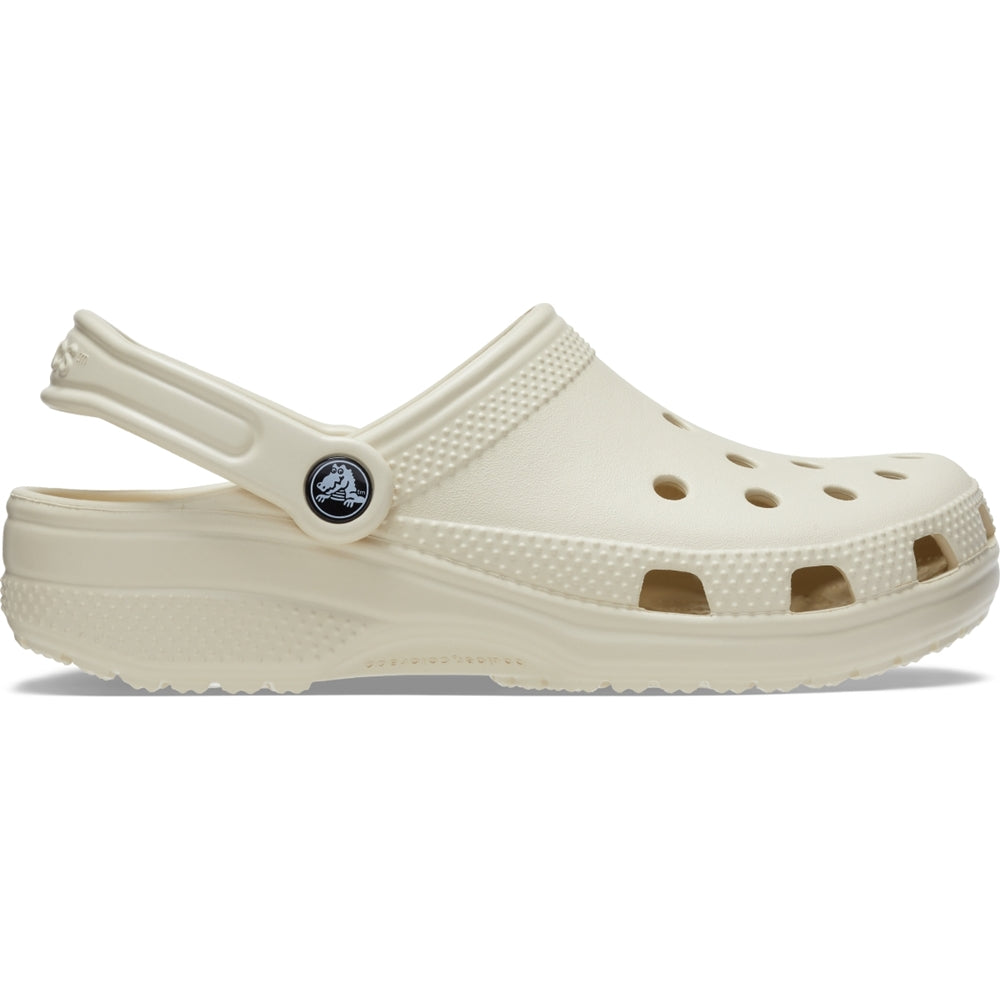
When someone drops to their knees in a parking lot, grabs the heel strap of their footwear, and snaps it behind their ankle, you're witnessing the activation of Crocs sport mode. It's a phrase that jumped from viral Twitter jokes to global slang, describing a very simple mechanical adjustment with massive cultural weight.
At its core, putting your Crocs in sport mode means flipping the iconic Croslite heel strap from the front of the shoe (where it rests during casual lounging) to the back of your heel. While the internet treats this pivot like engaging a nitrous boost on a sports car, the practical purpose is real stability. Without the strap, a classic clog functions like an open-backed slip-on, leaving your foot free to slide out if you break into a jog. Snapping that strap into place locks your foot down, turning a lazy house shoe into something you can actually sprint in without shedding your footwear halfway across the yard.
The Origin of the Joke
The phrase didn't come from a corporate board room or an athletic footwear engineer. It started on social media when everyday shoe owners noticed how differently the shoes performed depending on strap placement.
In January 2019, a viral tweet captured a moment of panic during an impromptu footrace where a participant yelled that they couldn't keep up because their shoes weren't configured correctly. Users quickly formalized the two settings into distinct operational states:
- Relaxed mode: The heel strap rests forward over the top of the vamp, prioritizing slip-on convenience for quick trips to the mailbox or lounging on the couch.
- Sport mode: The heel strap is flipped down behind the ankle, transforming the clog into a high-security container ready for athletic endeavors, lawn-mowing emergencies, or chasing down runaway dogs.
From there, video creators turned the concept into a staple of internet humor. Skits featured dramatic cinematic pauses, slow-motion strap snaps, and exaggerated sprinting speeds whenever the setting changed.
Mechanical Reality: Does It Actually Work?
If you try to run a 5k marathon in classic foam clogs, your podiatrist will still have serious concerns. However, the engineering logic behind the meme holds up surprisingly well for low-impact, high-urgency tasks.
Classic clogs are molded from a proprietary closed-cell resin material called Croslite. While this material provides incredible cushioning and water resistance, it lacks the structural lockdown of a traditional running shoe. When your feet heat up during movement, they can slide inside an open clog, causing the shoe to slip off or force your toes to grip awkwardly against the footbed.
Flipping the strap changes the physics. The strap acts as a physical anchor across your heel tendon, distributing kinetic friction evenly so the shoe moves with your foot rather than lagging behind. It won't replace a pair of track spikes, but it prevents the dreaded "Croc fling" where your footwear launches into the bushes while you're running for the bus.
How to Engage Sport Mode Properly
You don't need a user manual or a mechanic's wrench to configure your footwear, but doing it right ensures maximum comfort and durability.
- Inspect the anchor points: Check the plastic rivets on the sides of your clogs. Over years of twisting, these rivets can loosen, so avoid yanking the strap violently.
- Grasp the strap: Hold the middle of the heel strap firmly with one hand while steadying the body of the clog with the other.
- Rotate backward: Swing the strap smoothly over the rear collar of the shoe until it rests snugly against the lower portion of your Achilles tendon.
- Check the fit: Slide your foot forward until your toes touch the front, ensuring the strap sits comfortably without pinching or slipping down under your heel.
Common Mistakes to Avoid
Even though wearing foam clogs is straightforward, people still run into a few everyday pitfalls when trying to push their footwear to the limit.
- Forcing cold plastic: If your shoes have been sitting in a freezing car during winter, the Croslite material stiffens up. Yanking a cold strap can snap the plastic rivets. Let them warm up indoors before making adjustments.
- Ignoring blister risks: Running or walking long distances without socks while the strap is engaged can rub against bare skin. If you're planning on actual physical exertion, pair your setup with athletic socks.
- Neglecting cleaning: Dirt and gravel love to hide under the heel strap and inside the ventilation ports. Rinse your shoes regularly to prevent debris from grinding against your heels.
For a deeper dive into footwear manufacturing materials and ergonomic design principles, you can review consumer goods breakdowns on The New York Times Wirecutter. To explore the official lineup of customizable ventilation styles, visit the Official Crocs Site.
Frequently Asked Questions
Can you actually run in Crocs?
Yes, but with caveats. Engaging the rear strap prevents the shoe from flying off your foot, making short sprints, yard work, or casual games of catch entirely manageable. They remain unsuited for long-distance running or high-impact court sports due to a lack of ankle support.
Do all models feature this capability?
Most classic clogs, slides with pivoting straps, and specialized off-road variants support the configuration. However, traditional slip-on flats, sandals with fixed straps, and lined winter versions may not offer the same dual-position flexibility.
Why do the straps sometimes pop off?
The plastic rivets connecting the strap to the shoe body are designed to snap in under pressure to prevent total tearing. If your strap detaches during an aggressive maneuver, you can usually pop the rivet back through the hole, though repeated strain can permanently stretch the plastic.
Is the meme still relevant today?
The joke remains a permanent fixture of internet slang. It surfaces regularly across TikTok, Instagram, and Reddit whenever everyday people prepare for minor physical tasks, proving that a simple design quirk can turn into lasting pop culture vernacular.


