Making your own crochet clothing transforms a basic yarn hobby into a functional, wearable wardrobe. While blankets and scarves are forgiving projects, stitching garments requires a shift in how you think about fit, drape, and yarn selection. You don't need years of advanced stitching experience to create a custom top or sweater; you just need to understand the structural fundamentals of garment construction.
The primary hurdle for beginners is moving from flat swatches to three-dimensional shapes that flatter the body. Standard commercial patterns help, but knowing how to adjust tension, pick the right fiber, and measure your own body will keep you from spending twenty hours on a sweater that ends up fitting like a stiff cardboard box.
Choosing the Right Yarn and Fiber for Garments
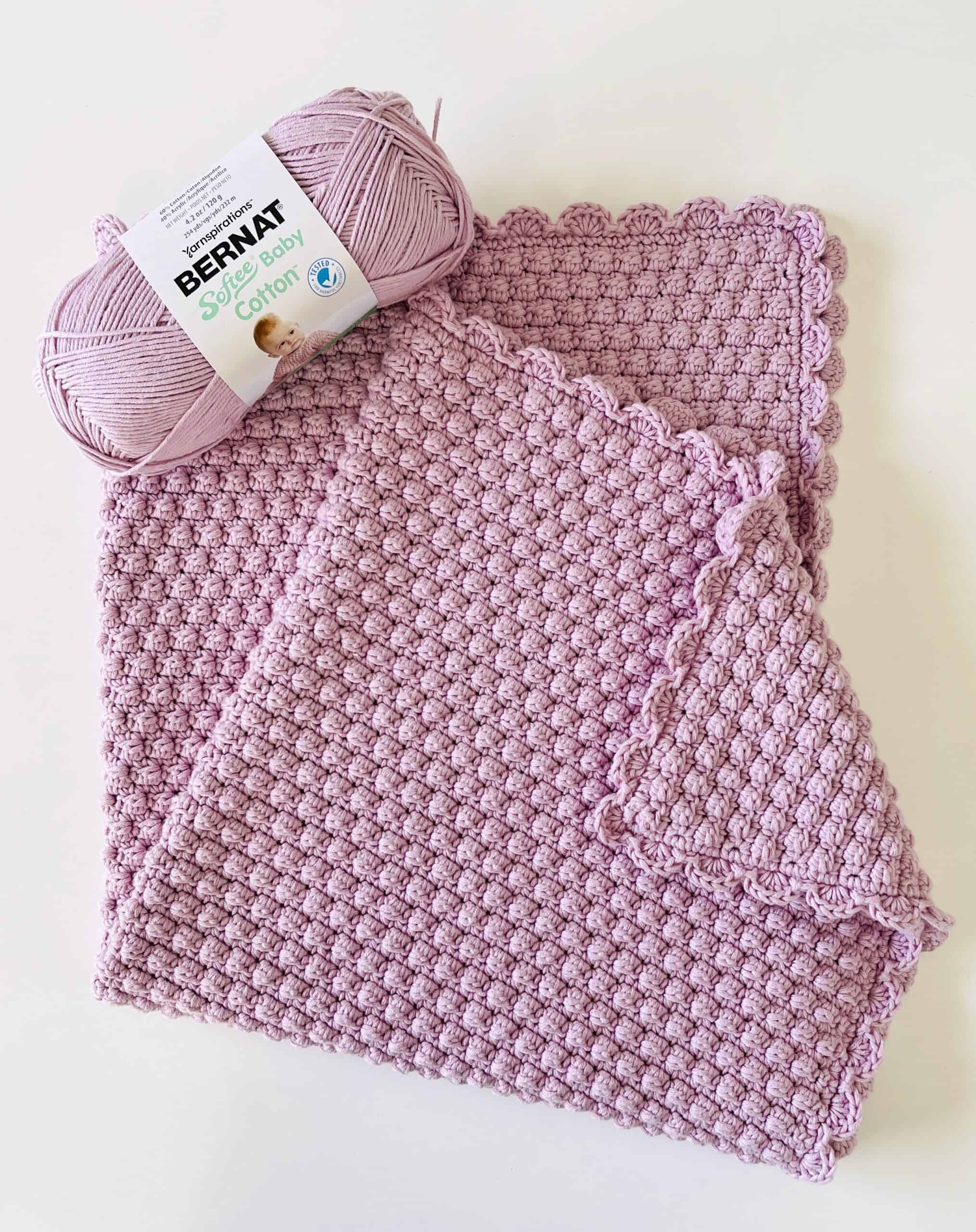
Yarn selection dictates whether your finished garment feels like a cozy dream or a heavy, sagging weight. Many beginners grab cheap acrylic because it's budget-friendly, but acrylic lacks breathability and tends to trap heat uncomfortably against the skin.
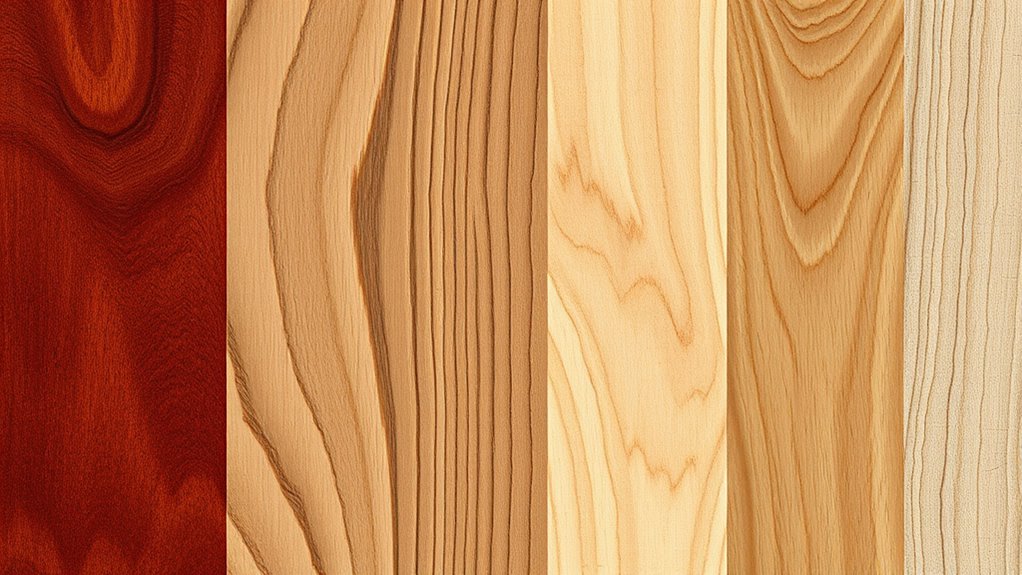
Natural fibers behave entirely differently when worked into fabric. Plant fibers like cotton, linen, and bamboo offer great stitch definition and drape wonderfully for summer tops, though they have zero natural elasticity. Animal fibers like wool, alpaca, and merino wool provide warmth, bounce, and resilience, making them ideal for cardigans and winter sweaters.
- Cotton and Linen: Best for warm-weather garments, lightweight cardigans, and market bags. They stretch out over time, so your stitches need to be consistent.
- Wool and Alpaca: Best for cold-weather sweaters. Wool has natural "memory," meaning it springs back into shape after being stretched or washed.
- Acrylic and Blends: Great for easy care and budget projects, but always check the drape before committing to a full sweater quantity.
Check out the Craft Yarn Council for standardized yarn weight classifications and sizing symbols to ensure your materials match your pattern guidelines.
Mastering Gauge and Body Measurements
Skipping your gauge swatch is the single biggest reason handmade garments fail. A gauge swatch is a small square—usually four by four inches—worked in your chosen stitch pattern. It tells you how many stitches and rows fit into a specific measurement using your specific tension and hook size.
If your gauge is too tight, your garment will turn out smaller than expected. If it's too loose, the fabric will sag and lose its structure. Take a tape measure and record your bust, waist, hips, and arm length accurately. When comparing your measurements to a pattern, look at the finished garment measurements rather than just standard sizing numbers to determine how much "ease" (extra room for comfort and movement) is built into the design.
Simple Construction Methods for First Garments
When you're ready to start your first wearable piece, avoid complex shaped armholes and intricate tailoring. Instead, look for construction styles that rely on basic geometric shapes.
The Simple Rectangle Panel
Many beginner sweaters and ponchos are made using two identical rectangles (one for the front, one for the back) and two smaller rectangles for the sleeves. You seam the shoulders, attach the sleeves, and sew up the sides. It's straightforward, highly customizable, and lets you focus entirely on your stitch consistency.
Top-Down Yoke Construction
Working in the round from the neckline down allows you to try the garment on as you go. You can check the length, adjust the body width, and stop when the armholes feel comfortable. This eliminates guesswork and minimizes the need for complex post-project seaming.
Essential Finishing and Care Techniques
How you finish your garment determines whether it looks homemade or genuinely handcrafted. Weaving in your ends securely using a tapestry needle prevents unraveling after the first wash.
Blocking is another critical step that beginners often skip. Pinning your finished pieces to a foam mat and misting them with water (or steaming them gently, depending on the fiber) relaxes the stitches, evens out tension, and sets the final dimensions of your garment. Always check the washing instructions on your yarn label; throwing a handmade wool sweater into a hot machine wash will instantly felt and shrink it beyond recognition.
For reliable stitch dictionaries and sizing charts, reference resources like the Ravelry Community Guidelines to connect with makers who share detailed project notes on garment adjustments.
Frequently Asked Questions
What is the easiest clothing item for a beginner to crochet?
An oversized drop-shoulder sweater or a simple poncho made from basic rectangles is the best starting point. These projects require minimal shaping and let you get comfortable with garment construction without worrying about complex curves.
Why does my crochet fabric feel too stiff for clothing?
Crochet naturally creates a denser, thicker fabric than knitting. If your clothes feel rigid, try going up one or two hook sizes larger than what the yarn label recommends, or switch to a looser stitch pattern like the moss stitch or linen stitch.
Can I machine wash handmade crochet clothes?
It depends entirely on the fiber content. Superwash wool, cotton, and acrylic blends usually tolerate gentle machine cycles in a mesh bag, but pure wool, alpaca, and handmade luxury fibers require careful hand washing in lukewarm water with mild detergent.
How do I stop my crochet garment from stretching out of shape?
Plant fibers like cotton and bamboo lack elasticity and tend to grow longer over time when hung in a closet. Store your heavy crochet garments folded flat on a shelf rather than on hangers to maintain their original shape.