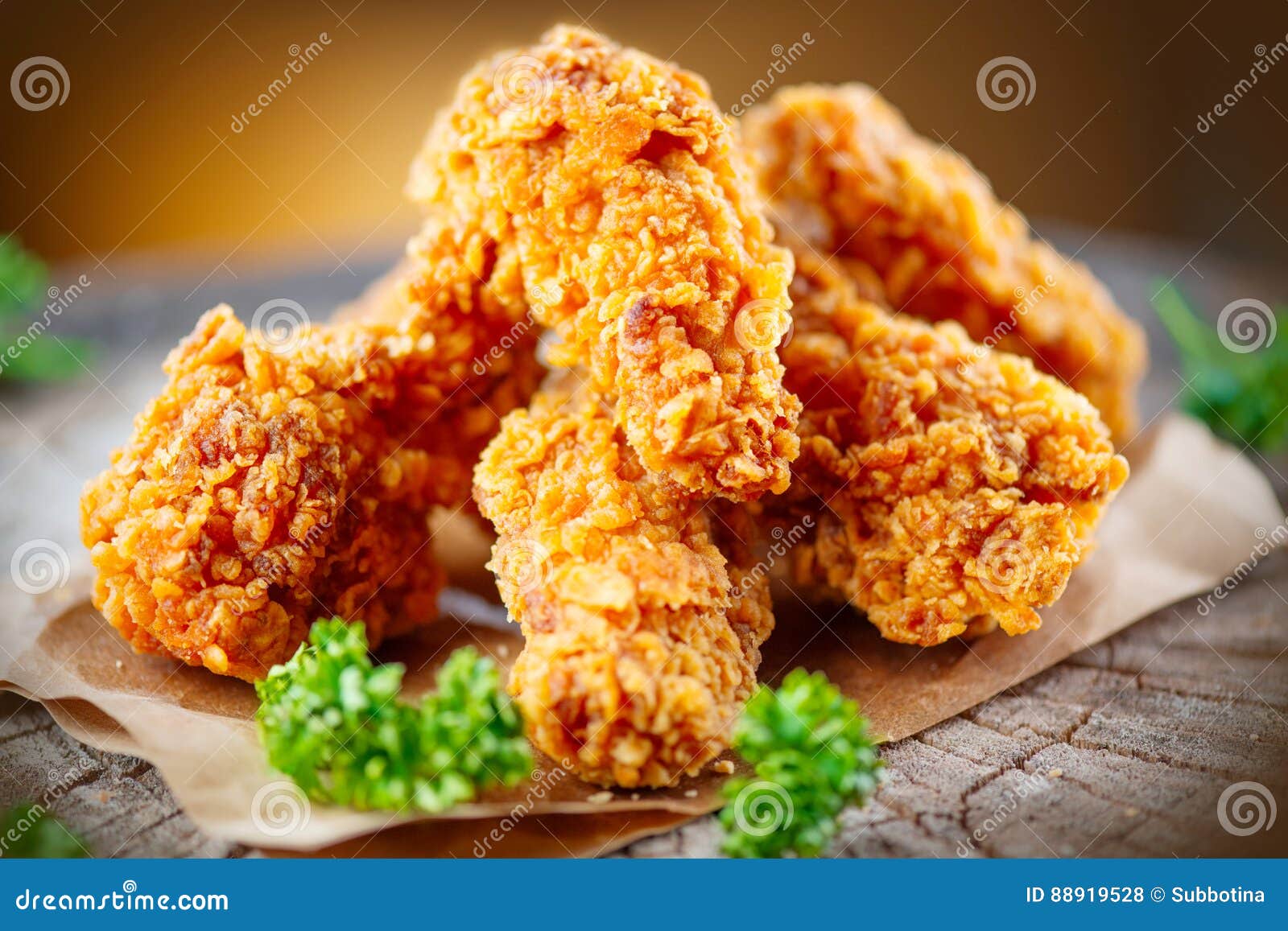
Consumers don't just eat for flavor anymore. Every bite involves an active search for contrast, snap, and auditory satisfaction. The obsession with a crispy texture is completely altering how global food brands manufacture snacks, design restaurant menus, and market products. This shift goes far beyond a simple preference for potato chips or fried chicken. It is a massive structural change driven by food science, social media algorithms, and a collective desire for multi-sensory eating experiences.
At its core, crispiness signals freshness, high quality, and meticulous preparation. When a consumer bites into a product and hears a sharp crack, the brain registers immediate gratification. Global food developers now prioritize texture just as heavily as taste profiles. Understanding why this movement took over requires looking at the technical mechanics behind the crunch and how modern kitchens and factories engineer it.
The Sensory Science Behind the Crunch
Food scientists draw a clear line between crispy and crunchy. Crispy items feature a light, brittle structure that breaks apart easily under minimal pressure, often revealing a softer interior. Crunchy items require denser physical force and feature a thicker structure, such as raw nuts or heavy granola.
Achieving that ideal light break requires precise control over moisture and starches. Food developers use specialized starches and hydrocolloids to manage water distribution during manufacturing. If a product retains too much internal moisture, it becomes soggy. If it loses too much, it turns unpleasantly hard.
Modern food labs rely on texturometers to measure the exact force and acoustic frequency emitted when a food product breaks. According to research from Ingredion, sensory appeal relies heavily on this auditory feedback loop. The sound of a crisp snap triggers memories of freshness and optimal preparation.
- Moisture barriers: Edible films and specialized batters prevent internal moisture from bleeding into outer crusts.
- Extrusion technology: High-pressure cooking forces starches to expand rapidly, creating internal air pockets that shatter easily upon biting.
- Rapid flash frying: High-heat, short-duration cooking seals exterior surfaces instantly, locking out oil while maximizing surface crispness.
Social Media and the ASMR Food Revolution
Digital platforms transformed texture from a silent physical attribute into a performance. TikTok, Instagram, and YouTube shorts thrive on visual and auditory stimuli. Videos featuring the sharp snap of a fried crust or the crack of a chocolate shell accumulate millions of views overnight.
This phenomenon, often categorized under autonomous sensory meridian response (ASMR), relies entirely on crispness. Creators deliberately amplify the acoustic properties of their food. Restaurants have caught on, designing dishes specifically to look photogenic and sound explosive on camera.
- Visual contrast: Pairing deep-fried elements with vibrant, smooth sauces creates instant eye appeal.
- Acoustic branding: Street food vendors and quick-service chains optimize their frying times to maximize the audible crunch.
- Interactive elements: Foods that require breaking, peeling, or cracking invite active user participation on social feeds.
How Global Cuisines Adopt Texture Contrasts
Traditional cuisines have long understood the power of texture, but global fusion cooking has accelerated this integration. Western fast-food chains now borrow street food techniques from across Asia and Latin America to elevate ordinary items.
In modern bistros, chefs rarely serve a soft component without a crispy counterweight. Creamy burrata comes blanketed in toasted breadcrumbs; delicate fish is wrapped in delicate, shattering kataifi pastry; and traditional salads feature puffed grains or fried shallots. This juxtaposition prevents palate fatigue. When every mouthful features both smooth and brittle elements, the brain stays engaged throughout the meal.
Plant-Based Innovations
The plant-based sector faced severe hurdles with texture early on. Early meat alternatives often suffered from a uniform, soft, or spongy bite that failed to mimic animal proteins. Modern food tech solved this by integrating texturized vegetable proteins and extruded plant crisps.
Brands now use soy and pea protein crisps to build structural integrity into vegan burgers, plant-based nuggets, and nutritional snack bars. These inclusions deliver the familiar bite of real meat or baked crusts, proving that health-conscious consumers do not need to sacrifice sensory satisfaction.
Common Formulation and Cooking Mistakes
Creating a truly stable crisp texture requires avoiding several technical pitfalls common in both industrial food production and home cooking.
- Trapped steam: Failing to vent hot foods immediately after cooking traps internal steam, which softens the crust within minutes.
- Improper oil temperature: Frying food in oil that is not hot enough allows the batter to absorb excess grease instead of searing quickly.
- Ignoring resting periods: Cutting or packaging fried foods immediately disturbs the setting starch matrix, leading to rapid structural collapse.
- Poor moisture management: Storing crisp elements in high-humidity environments ruins shelf life and causes premature staling.
Frequently Asked Questions
Why is crispiness such a dominant trend now?
Modern consumers look for multi-sensory engagement. Crispy textures combine physical mouthfeel, sound, and taste enhancement, turning routine eating into an interactive experience.
What is the difference between crispy and crunchy foods?
Crispy foods are light, brittle, and require less force to break, often featuring a soft interior. Crunchy foods are denser, thicker, and require more chewing force throughout the bite.
How do food manufacturers keep snacks crispy on shelves?
Manufacturers rely on specialized moisture barrier coatings, modified starches, and airtight packaging with nitrogen flushing to keep humidity away from the product.
Are crispy foods always unhealthy?
Not necessarily. While traditional methods rely on deep frying, modern food processing uses air-frying, vacuum-frying, and extruded plant proteins to deliver a satisfying bite with fewer calories.



