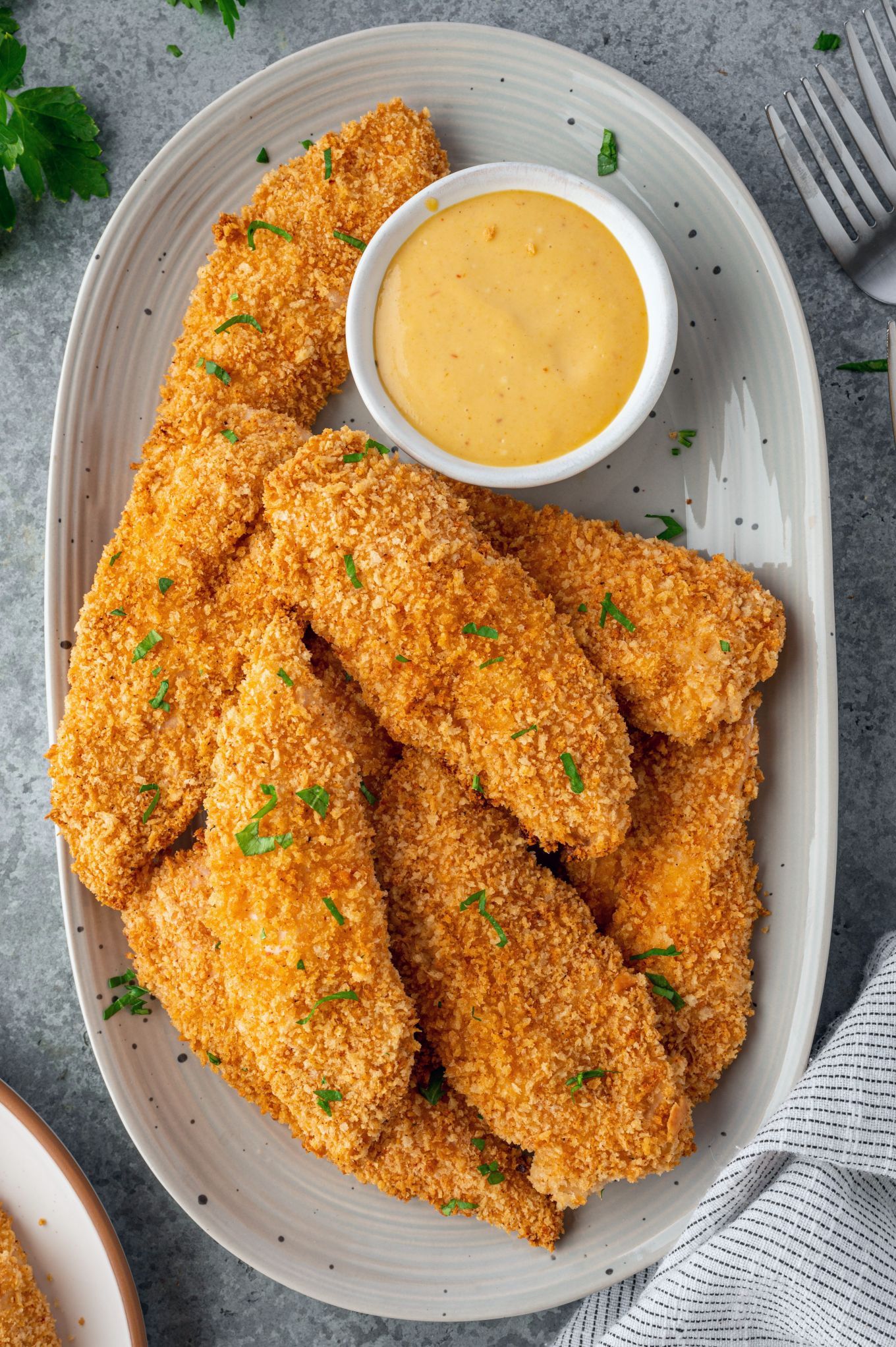
That sharp, clean snap of a potato chip or the brittle crackle of fried chicken skin isn't just satisfying—it's a masterclass in physics and chemistry. Food science defines crispiness as a rigid, dry surface structure that fractures instantly under minimal mechanical pressure, producing a distinct high-frequency acoustic signal. Unlike tough or chewy foods that require sustained mastication, or hard foods that resist breaking entirely, crispness delivers a high-impact sensory reward in milliseconds.
Achieving this texture relies on a delicate balance between moisture removal and structural transformation. When you apply intense dry heat to food, water molecules migrate to the surface and rapidly evaporate. As the outer cellular matrix dehydrates, it sets into a rigid, brittle shell while trapping moisture inside the tender core. This moisture gradient creates the ultimate textural contrast: a brittle exterior that shatters cleanly against a soft interior.
The Physics and Acoustic Signatures of Crunching
Human perception of crispiness is heavily driven by sound. When a food fractures, it releases acoustic energy across specific frequencies. Food scientists use acoustic sensors to measure the sound pressure level and frequency of a bite, correlating higher-frequency snaps directly with consumer perceptions of freshness and quality. If a cracker or french fry lacks that crisp acoustic snap, our brains instantly register it as stale or soggy.
The structural mechanics behind this rely on cellular breakdown. Plant and animal tissues are packed with water. When heated, water turns to steam, creating internal pressure that ruptures cell walls and creates porous networks. Once the water escapes and the temperature climbs, the remaining proteins and starches fuse into a glassy, brittle state.
According to Serious Eats, managing moisture migration is the single most important factor in keeping cooked foods crunchy over time. Without proper ventilation or oil temperature control, internal steam migrates back into the crust, softening the brittle matrix and ruining the texture.
The Chemistry: Maillard Reactions and Starch Gelatinization
While physical dehydration creates the crunch, flavor and color come from chemical transformations. The Maillard reaction plays a starring role here. Occurring between amino acids and reducing sugars at temperatures above 140°C (284°F), this non-enzymatic browning creates hundreds of volatile aroma compounds that give crispy edges their savory, roasted flavor.
Starches undergo a parallel transformation. When starchy foods like potatoes or bread dough meet hot oil or oven heat, starch granules gelatinize and then dehydrate into a rigid crust.
- Starch Retrogradation: Cooling starches align tightly, forming a crystalline structure that reinforces crunch.
- Protein Denaturation: Heat tightens protein strands in batters and crusts, building a tough, shatter-resistant network.
- Sugar Caramelization: Surface sugars brown and crisp, adding bitter-sweet notes that balance savory fats.
Engineering Crispiness: Core Culinary Techniques
Different foods demand entirely different physical approaches to achieve maximum crunch. Professional kitchens rely on specific methods tailored to the structural makeup of the ingredient.
Deep Frying and Thermal Shock
Submerging food in oil heated to 175°C to 190°C (350°F to 375°F) triggers flash-evaporation of surface water. The escaping steam forms a protective barrier of bubbles that prevents excess oil absorption while rapidly drying the exterior. Double-frying takes this a step further: a lower-temperature cook cooks the interior thoroughly, followed by a high-temperature blast to crisp the exterior.
Dry-Heat Oven Roasting
Roasting root vegetables or poultry at high temperatures (200°C / 400°F and above) encourages steady moisture evaporation. Coating potatoes in a light alkaline solution, such as diluted baking soda water, breaks down surface pectin, creating a rough micro-texture that maximizes surface area and yields an extraordinarily shattering crust.
Starch Coatings and Batters
Using low-protein flours like cornstarch or rice flour prevents heavy gluten networks from forming. Gluten is elastic and chewy—the exact opposite of crispy. By keeping batters light, airy, and ice-cold when they hit hot oil, the sudden temperature shock puffs the batter into a delicate, lace-like shell.
Common Mistakes That Ruin Crispiness
Even experienced home cooks often end up with soggy or greasy results because of a few common workflow errors.
- Overcrowding the pan: Trolling too much food into a skillet or fryer drops the oil temperature rapidly and traps steam. Instead of frying or roasting, the food steams in its own moisture, resulting in a limp, rubbery texture.
- Skipping the resting rack: Placing freshly fried or roasted food flat on a solid plate traps condensation underneath. Always use a wire cooling rack so air circulates freely around all sides of the food.
- Improper moisture prep: Failing to thoroughly pat proteins dry with paper towels before searing or frying forces the oil to boil off surface water first, extending cooking times and driving up grease absorption.
To explore more about thermal dynamics in professional cooking, check out America's Test Kitchen for detailed kitchen science breakdowns.
Frequently Asked Questions
Why do hot french fries lose their crunch as they cool?
As fries cool, moisture from the interior steams outward into the crisp exterior crust. Without active heat keeping the surface dehydrated, the starches absorb that ambient moisture, softening the brittle glassy matrix into a limp texture.
Is crispiness the same thing as hardness?
No. Hardness requires sustained, heavy force to break or deform a material, like a hard candy or raw carrot. Crispiness requires minimal initial force before the structure suffers an instantaneous, clean fracture accompanied by a sharp sound.
How does salt affect the crispiness of roasted vegetables?
Salt draws out internal moisture through osmosis. If you salt vegetables too late, that moisture pools on the surface and prevents browning. Salting well in advance allows moisture to draw out, evaporate, and leave behind a dry, highly reactive surface for roasting.
Why do battered foods get soggy inside takeout containers?
Enclosing hot food in a sealed container traps escaping steam inside the box. That trapped humidity has nowhere to go, so it condenses against the crispy batter and saturates the crust within minutes.



