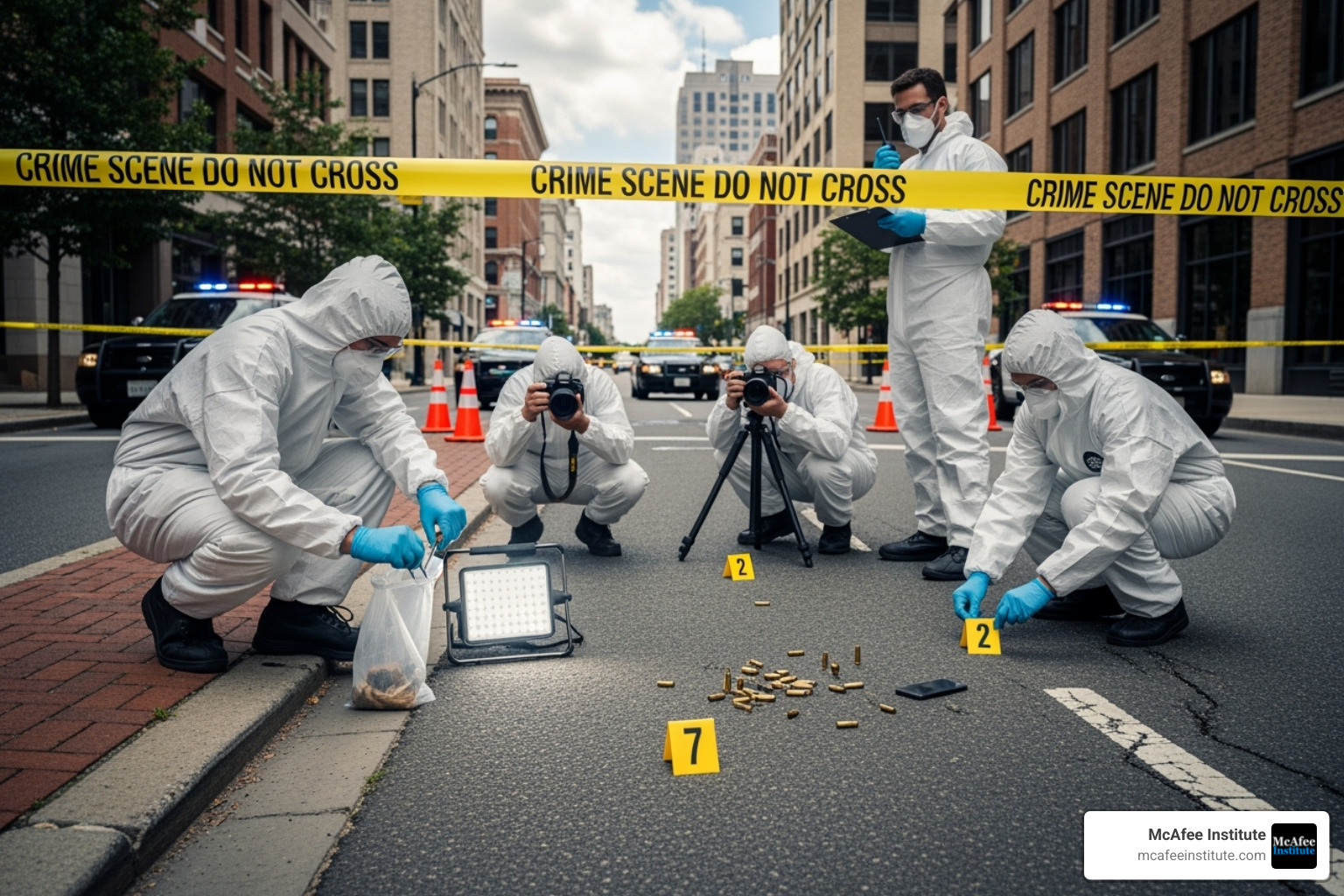
Navigating safety concerns in the Dominican Republic requires separating sensationalized headlines from everyday security realities. While the nation remains a top international destination, visitors and residents frequently contend with property crime, opportunistic theft, and localized urban violence. Understanding these risks helps travelers make informed choices.
The primary security threat across the country involves property crime, specifically opportunistic theft and motorcycle-based robberies. Metropolitan areas like Santo Domingo present different safety profiles compared to heavily guarded resort corridors in Punta Cana. Official guidance from bodies like the U.S. Department of State Travel Advisory highlights that violent crimes can occur, making baseline street smarts essential.
Understanding the Local Crime Landscape
Crime patterns vary significantly depending on geography, time of day, and traveler behavior. Urban centers experience higher frequencies of street crime, whereas isolated beach regions and high-end resorts maintain robust private security infrastructures.
Petty Theft and Mobile Phone Snatching
The most common hazard for visitors involves quick-hand larceny. Thieves frequently target unsecured smartphones, cameras, and jewelry in crowded zones or transit hubs. If you want more about the background here, AFAR provides an excellent breakdown.
- Drive-by snatches: Perpetrators commonly ride on motorcycles or scooters, grabbing items from pedestrians walking near curbs.
- Restaurant vulnerability: Diners sitting at outdoor tables often place phones or bags on chairs, creating easy targets for passing thieves.
- Mitigation strategy: Keep devices tucked away inside secure bags rather than holding them openly while navigating city streets.
Urban Violence and Regional Variations
While tourist zones feature heavy patrols by the specialized tourist police force known as POLITUR, urban neighborhoods carry distinct risk factors.
- Santo Domingo: Capital streets demand constant situational awareness, particularly after dark.
- Hinterlands and rural roads: Traveling outside major highways at night exposes motorists to risks tied to poorly lit infrastructure and opportunistic roadblocks.
- Resort enclaves: Properties in areas like Bavaro and Cap Cana operate with controlled access points, reducing external threats significantly.
Emerging Security Concerns: Digital Scams and Dating Apps
Criminal networks constantly adapt their methods to target unsuspecting foreigners. Recent advisories issued by the U.S. Embassy in Santo Domingo emphasize a rise in targeted robberies linked to online dating applications.
Perpetrators often use digital platforms to lure victims to private residences, short-term rentals, or secluded hotel rooms. Once the target arrives, accomplices often execute armed robberies, frequently making off with electronics and forcing victims to hand over banking credentials. Safeguarding personal data and insisting on public meeting places minimizes this vector of exposure.
Practical Safety Framework for Travelers
Minimizing risk involves adopting defensive habits that blend into the local environment without signaling vulnerability.
- Avoid flashiness: Leave expensive watches, designer accessories, and excessive cash locked in hotel safes.
- Use verified transport: Skip hailing unmarked street cabs. Rely on reputable hotel taxi services or ridesharing applications like Uber.
- Comply during robberies: If confronted by an armed assailant, don't resist. Material possessions can be replaced, but physical safety remains paramount.
- Monitor consumables: Never leave food or drinks unattended at bars or clubs, as drug-facilitated thefts do occur.
- Save emergency contacts: Program local emergency services into your phone, including the universal number 911 and the POLITUR direct assistance line.
Frequently Asked Questions
Is it safe to leave resort properties in Punta Cana?
Yes, exploring areas immediately surrounding major resorts during daylight hours is generally safe. However, venturing into unfamiliar urban districts after dark without a local guide or trusted transport is strongly discouraged.
What should I do if my passport is stolen?
Report the incident immediately to local authorities to obtain a police report. Next, contact the nearest consular office, such as the U.S. Embassy Citizen Services, to facilitate an emergency passport replacement.
How effective is the tourist police force?
POLITUR maintains a visible, active presence across all major beaches and historical landmarks. Officers undergo specialized training to assist visitors, handle complaints, and coordinate with municipal law enforcement.
Are rental cars safe for getting around the country?
Driving conditions present severe challenges due to aggressive local driving habits, unlit roads, and high motorcycle density. Many experienced travelers prefer hiring private drivers or using organized shuttle services for inter-city travel.



