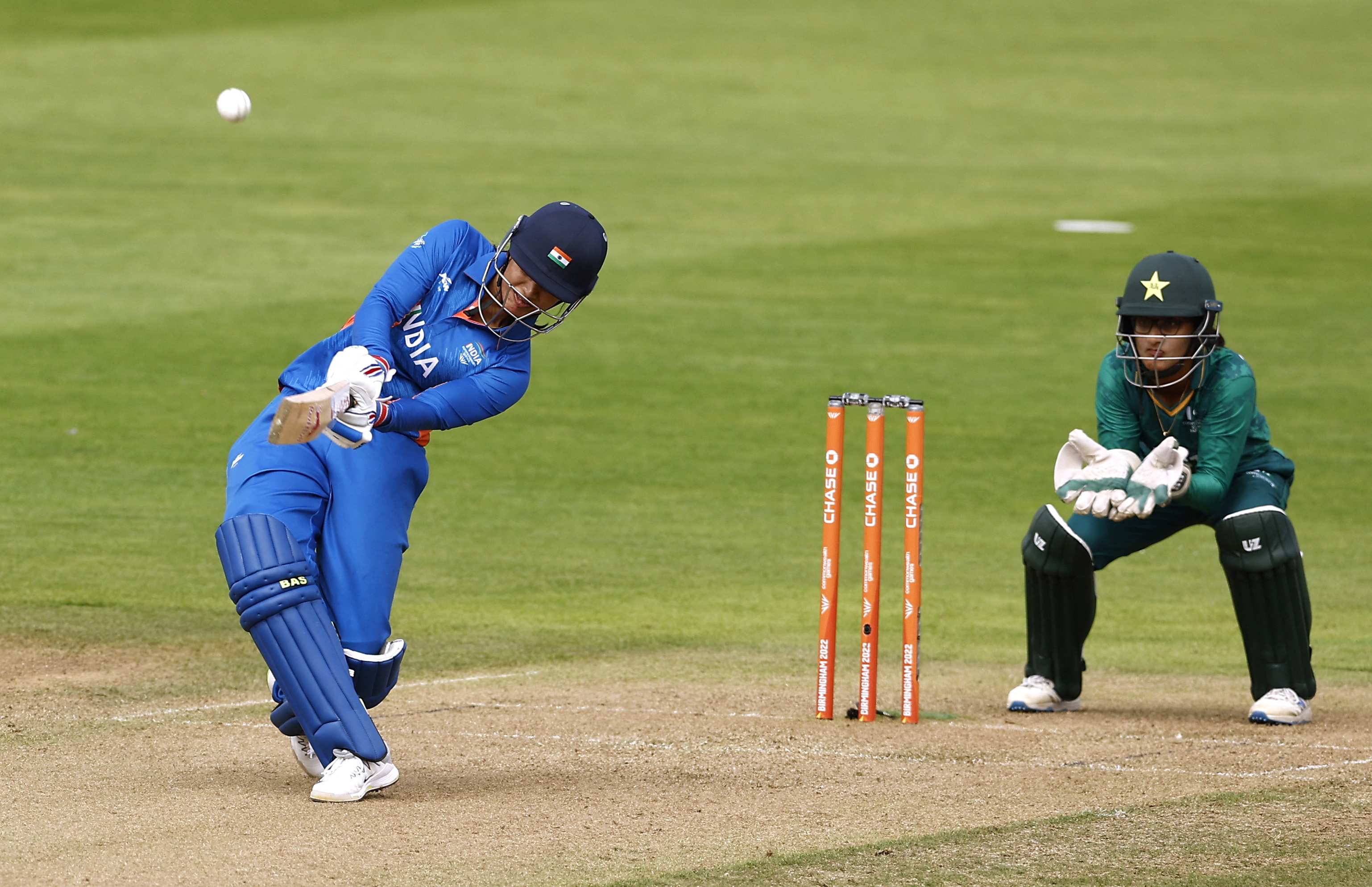
Digital search behavior changes how millions experience cricket. When a match goes down to the wire, fans don't just stare at the television screen; they open a browser tab to check live win probabilities, analyze bowling economy rates, or track player milestones in real time. Google processes billions of sports-related queries annually, capturing everything from casual score checks to deep-dive tactical breakdowns. Understanding these search patterns reveals how modern audiences interact with the sport beyond passive viewing.
Search engine data shows that fan curiosity spikes around three distinct pillars: live match updates, individual player metrics, and rule clarifications. When marquee tournaments like the ICC Men's T20 World Cup or the Indian Premier League (IPL) take place, search volume shifts instantly based on on-field action. By analyzing these data points, rights holders, content creators, and leagues can see precisely what information fans crave during every phase of a match.
The Real-Time Search Spike During Live Matches
Live match execution triggers the most aggressive surges in search traffic. Unlike scheduled programming, cricket matches feature dramatic shifts in momentum that send viewers straight to search engines for instant verification.
- Live Scoreboards: Queries for team scores and point differentials skyrocket during powerplays and death overs. Fans look for instant ball-by-ball summaries when they are away from a television feed.
- Match Interruptions: Weather delays, bad light, and unexpected stoppages send fans searching for status updates and official restart times.
- Player Milestones: When a batter approaches a century or a bowler sits on a hat-trick, search queries for individual career stats and live tracker pages jump exponentially.
This real-time behavior turns search engines into interactive scorecards. Fans expect instant answers, pushing platforms to optimize match summaries, graphs, and live-win probability widgets right at the top of the search results page.
Player Performance and Historical Context
Beyond live scores, search trends highlight a deep fascination with athlete performance, career trajectories, and historical comparisons. Fans use search engines to validate arguments, settle debates, and contextualize modern achievements against past legends.
After a major series concludes, queries frequently shift toward analytical deep dives. Fans search for player batting averages across specific overseas conditions, bowling strike rates against left-handed batsmen, or head-to-head records between rival captains. This shift from simple score-checking to advanced analytics proves that modern cricket followers value data literacy.
Furthermore, injury updates and fitness tests drive massive search traffic. When a star player picks up a knock before a crucial test match, fans scour search engines for official medical bulletins, replacement announcements, and recovery timelines.
Decoding Complex Rules and Tournament Formats
Cricket's multi-format structure—spanning Test matches, One-Day Internationals (ODIs), and Twenty20s—creates constant entry points for new fans who need clarity on regulations. Search data reveals perennial interest in complicated match mechanics.
- The Duckworth-Lewis-Stern (DLS) Method: Rain interruptions in limited-overs matches consistently trigger spikes for explanations of target score calculations.
- Dismissal Nuances: Queries regarding LBW (Leg Before Wicket) parameters, obstruction of the field, and catch validation rules remain common throughout the year.
- Tournament Qualification Scenarios: Toward the end of group stages in major leagues, fans turn to search engines to calculate complex qualification permutations needed for their preferred teams to reach the knockouts.
According to insights published by Think with Google India, sports audiences increasingly blend search and video platforms to consume highlights, tactical breakdowns, and creator-led commentary. This multi-platform journey means search engines act as the gateway to deeper digital content ecosystems.
Common Mistakes in Analyzing Sports Search Data
Organizations and media outlets often misinterpret search volume spikes because they fail to look at user intent. Avoiding these analytical traps ensures a clearer picture of digital audience habits.
- Confusing Volume with Long-Term Engagement: A massive spike during a single final match does not guarantee sustained fan loyalty to a league or team throughout the off-season.
- Ignoring Regional Nuances: Search intent varies wildly by geography. Queries originating from cricket-obsessed markets focus on domestic franchise leagues, while international hubs search heavily for bilateral Test series and global tournaments.
- Overlooking Mobile Behavior: The vast majority of cricket searches happen on mobile devices under strict time constraints. Content that fails to load quickly or hides answers behind dense paragraphs loses traffic immediately.
Frequently Asked Questions
What drives the highest search volume in cricket?
Live match scores, real-time wickets, and urgent weather updates generate the highest volume spikes, particularly during international tournaments and high-stakes franchise league matches.
Why do fans search for cricket rules during major tournaments?
New viewers often tune in during high-profile global events, leading to a surge in queries regarding complex regulations like the DLS method, free hits, and LBW interpretations.
How do search trends impact cricket content creators?
Creators use search query data to identify gaps in coverage, allowing them to produce timely tactical breakdowns, highlight reactions, and rule explainer videos that match immediate audience curiosity.
Do historical player comparisons still trend outside of match days?
Yes. Fans regularly search for cross-era player statistics, career averages, and historical milestone comparisons during training windows and off-seasons to debate player legacies.



