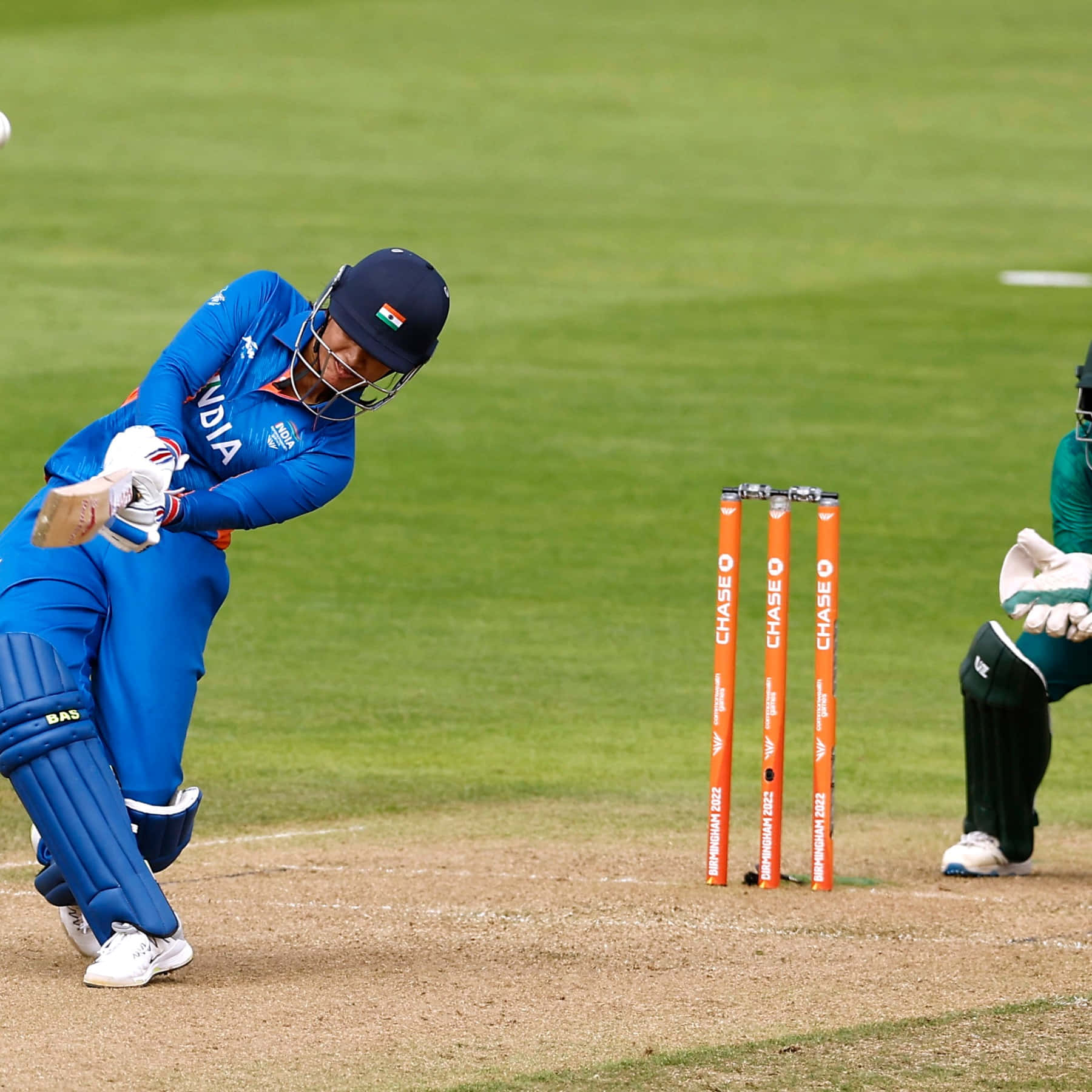
When a cricket match today captures global attention, millions tune in to watch a sport that blends deep tactical strategy with rich physical endurance. If you're new to the game, tuning into a broadcast can feel overwhelming. You'll see players dressed entirely in white or vibrant colored kits, taking long strategic breaks, and appealing passionately to an umpire. Understanding why this sport commands such intense loyalty requires looking past the surface rules and examining its unique structure.
At its core, a match pits two teams of eleven players against each other. The primary objective is simple: score more runs than the opposing side. Yet, the layers underneath that simple objective involve complex decisions regarding weather conditions, pitch deterioration, and physical stamina. Whether you're tracking an international Test match that spans five days or a fast-paced Twenty20 clash lasting just three hours, the fundamental tension remains identical.
The Core Formats Driving the Sport Today
The modern game exists in three primary formats, each demanding a distinct mindset and skill set from its competitors. Recognizing these formats helps explain why a cricket match today can look completely different depending on the tournament calendar.
- Test Cricket: The oldest and most traditional format. Two teams play over five days, facing an unlimited number of overs until all players are dismissed across two innings. It tests mental fortitude, technical defense, and endurance.
- One Day Internationals (ODIs): Each team faces a fixed quota of fifty overs. This format strikes a balance between cautious preservation of wickets and aggressive run-scoring, typically lasting about eight hours.
- Twenty20 (T20): The shortest and most explosive format. Each side gets twenty overs, condensed into a three-hour window. It prioritizes power-hitting, rapid bowling changes, and high-risk fielding maneuvers.
Why Formats Change Strategy
A team structured for a five-day Test match rarely plays the same way in a T20 sprint. In longer formats, batters can afford to leave deliveries that pitch outside the off-stump, waiting hours for a loose ball. Conversely, a T20 fixture forces batters to invent unconventional shots, such as reverse sweeps or ramp shots over the wicketkeeper, to score off every single delivery. Bowlers also adapt, shifting from traditional swing bowling aimed at wearing down a batter's defense to deceptive slower balls and yorkers designed to restrict boundaries.
Decoding the Equipment and Field Dynamics
The physical layout of the sport influences every tactical choice made on the field. A cricket match today unfolds on a circular or oval grass field featuring a rectangular twenty-two-yard pitch at its center.
- The Bat: Crafted from Kashmir or English willow, the bat features a flat striking surface attached to a springy cane handle. Regulations limit its width to four point two five inches.
- The Ball: A hard, leather-sewn sphere weighing around five point five ounces. Unlike baseball, the ball bounces off the turf before reaching the batter, introducing variables like seam movement and spin.
- The Wickets: Two sets of three wooden stumps topped by two small wooden pieces called bails, standing at either end of the pitch.
The Role of Conditions
Unlike indoor sports or turf-controlled environments, outdoor conditions dictate the flow of play. A dry, cracked pitch favors spin bowlers, who can make the ball grip and turn sharply past a batter's edge. A damp, grassy pitch helps fast bowlers, allowing the ball to skid through quickly or seam unpredictably through the air. You'll often hear commentators discuss the "toss"—the coin flip before the game—because choosing whether to bat or bowl first based on morning humidity or sun exposure can decide the outcome.
Physical and Mental Demands on Players
People often underestimate the sheer athleticism required to excel in this sport. A cricketer must master three distinct disciplines: batting, bowling, and fielding.
Batters need extraordinary hand-eye coordination to judge a ball travelling at over ninety miles per hour, deciding in milliseconds whether to duck, block, drive, or pull. Fast bowlers sprint twenty to thirty yards before releasing the ball at high speeds, placing immense stress on their ankles, knees, and lower backs. Spinners rely on subtle finger and wrist manipulations to impart revolutions on the ball, outthinking batters through flight and variation.
Fielding requires exceptional reflexes. Because there are no gloves or protective mitts for most fielders, catching a hard-hit cricket ball travelling high into the air demands precise timing and courage. Fielders regularly dive across abrasive turf, sprint sixty yards to cut off boundaries, and execute direct-hit run-outs from the boundary rope.
Common Misconceptions for Beginners
If you're watching a cricket match today for the very first time, several rules might confuse you. Clearing up these common misunderstandings makes the broadcast much easier to follow.
- It isn't just baseball: While both involve a bat and a ball, cricket features a pitch where the ball bounces, continuous play without pausing between every single pitch, and a 360-degree scoring arc around the field.
- Draws are possible: In longer formats, if time expires before both innings reach completion, the match ends in a draw. This rewards strategic patience rather than forcing a rushed result.
- Dismissal goes beyond the strikeout: A batter can get out in ten different ways, including being bowled, caught, run out, stumped, or trapped leg before wicket (LBW).
For more detailed historical context and official tournament rules, you can explore the International Cricket Council guidelines or read historical overviews on ESPNcricinfo.
Frequently Asked Questions
How long does a standard match last?
Duration depends entirely on the format. T20 matches wrap up in roughly three hours. ODIs take a full day, usually around eight hours. Test matches span five consecutive days with daily sessions lasting six hours.
What does LBW mean?
LBW stands for leg before wicket. A batter is given out if the umpire judges that the ball would have hit the stumps, but was intercepted by any part of the batter's body—most commonly the leg—without first touching the bat.
Why do players wear white uniforms?
White clothing remains mandatory in traditional Test cricket, a nod to the sport's nineteenth-century origins. Limited-over formats introduced colored clothing and white balls to improve visibility under floodlights and during daytime television broadcasts.
Can games end in a tie?
Yes, though ties are rare. In limited-over formats, tied matches often proceed to a Super Over—a single extra over per team—to determine a definitive winner.



