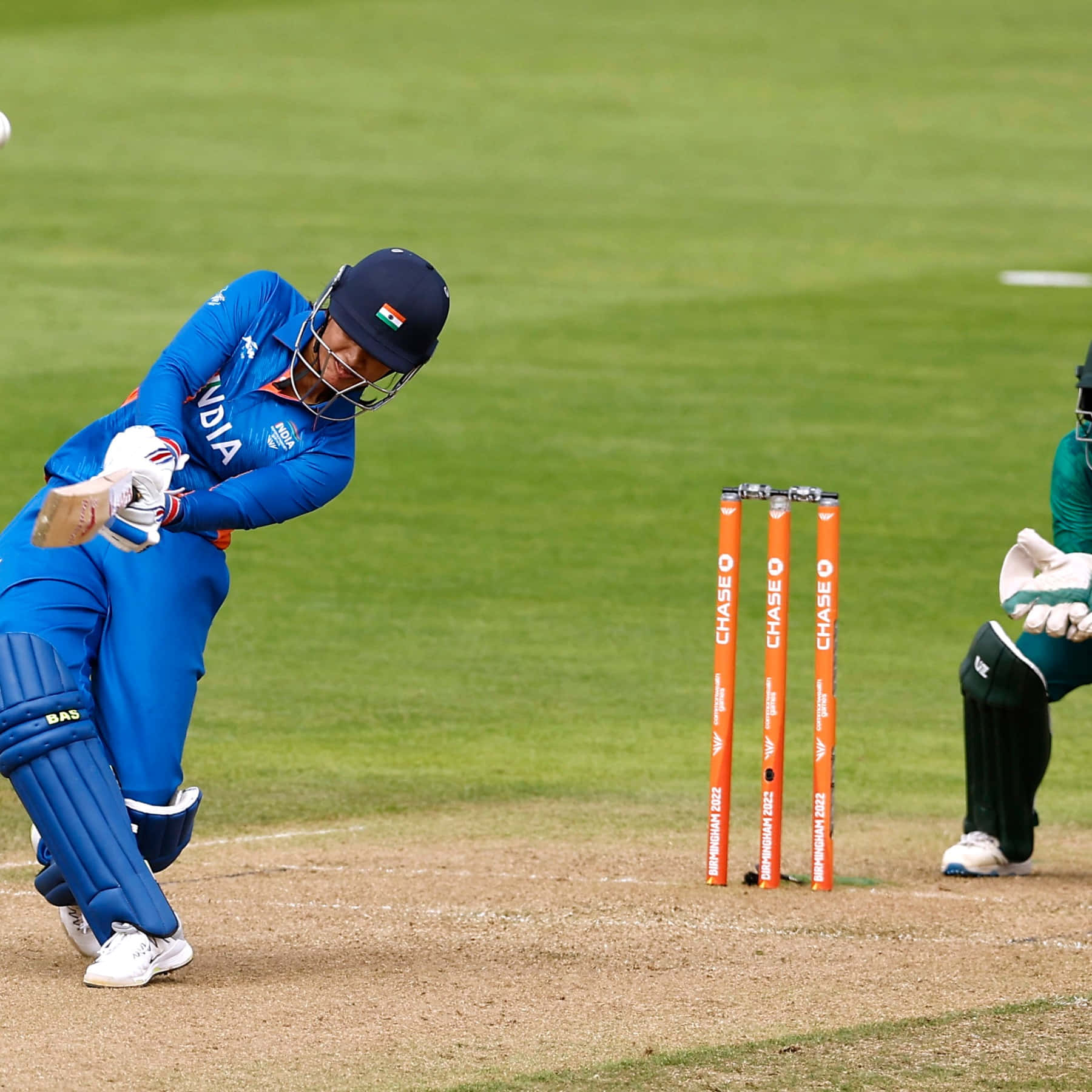
The idea of rural Oklahoma transforming into a destination for bat-and-ball sports sounds unexpected. Yet, smaller communities across the American Heartland are quietly diversifying their athletic identities. When people think of Muskogee, Oklahoma, traditional American pastimes like high school football, baseball, and rodeo usually come to mind. Over recent years, shifting demographics, local recreation trends, and a nationwide surge in organized club sports have changed that landscape. A sport traditionally rooted in the British Commonwealth is finding unexpected footing along the Arkansas River.
Understanding how non-traditional sports take root in American towns requires looking closely at community demographics, regional migration, and local park infrastructure. Rural areas aren't cultural monoliths; they evolve alongside shifting workforce patterns and digital connectivity. While major metropolitan areas like Dallas, Atlanta, and New York frequently dominate sports headlines for hosting international leagues, smaller regional hubs are building dedicated grassroots followings. This phenomenon reflects a broader national trend where recreational diversity thrives outside major coastal and metro centers.
Changing Demographics and Local Recreation
Rural Oklahoma has long experienced shifts in its economic and cultural makeup. As regional employers, healthcare networks, and educational institutions attract professionals from diverse backgrounds, local recreational preferences expand. Communities that once supported only standard municipal sports leagues now find demand for broader athletic options.
This cultural exchange often begins informally. Small groups organize weekend matches in public parks, utilizing open green spaces for casual practice. Over time, these gatherings attract curious onlookers, transforming casual recreation into structured community leagues. Local municipal parks departments notice the steady utilization of public fields, prompting adjustments in maintenance schedules and community programming. If you want more about the history of this, CBS Sports offers an informative summary.
The Logistics of Rural Sports Expansion
Bringing a sport like cricket to a rural Oklahoma municipality involves unique logistical challenges and adjustments. Unlike baseball or football, which benefit from decades of established neighborhood fields and built-in equipment supply chains, cricket requires specific spatial dimensions and pitch preparation.
- Pitch Requirements: Standard matches require a large, flat oval field and a prepared central strip, often utilizing artificial turf mats or reinforced clay wickets to ensure consistent bounce.
- Equipment Access: Local sports retailers rarely stock specialized bats, protective pads, and hard leather balls locally, requiring teams to rely on online shipping or regional specialty suppliers in Tulsa or Oklahoma City.
- Community Partnerships: Securing reliable field access depends on collaborative relationships with city parks and recreation boards to share multi-use spaces fairly.
Municipal leaders often balance these requests with existing demands from youth soccer and softball leagues. Successful integration requires flexible scheduling and a willingness from community groups to share maintenance responsibilities. When local leagues invest time into field upkeep, municipal governments become far more receptive to expanding facility allocations.
Grassroots Organization and Community Integration
Growth in regional sports rarely happens through top-down corporate mandates; it relies on passionate local organizers. In towns like Muskogee, enthusiasts act as player-managers, gear coordinators, and outreach leaders all at once. They reach out to regional universities, medical facilities, and industrial centers where international professionals often look for familiar community outlets.
These informal networks do more than organize weekend games. They create social bridges between longtime residents and newcomers, fostering a shared sense of local pride. When regional teams travel to nearby cities like Tulsa or Fayetteville for competitive fixtures, they represent their home municipality, changing outsiders' perceptions of what rural Oklahoma communities offer.
Common Pitfalls in Developing Nontraditional Sports
Towns attempting to cultivate new athletic offerings often encounter predictable hurdles. Recognizing these missteps helps local organizers build sustainable programs rather than short-lived fads.
- Neglecting Youth Pathways: Focusing solely on adult weekend leagues limits long-term growth. Sustainable programs must introduce youth clinics to build local talent from the ground up.
- Ignoring Facility Wear and Share: Overusing multi-use grass fields during wet Oklahoma springs can destroy turf quality, leading to friction with local authorities and other sports leagues.
- Isolating the Local Community: Failing to explain the rules, schedule, and culture of the sport to longtime residents can keep leagues isolated rather than integrated into the town's broader identity.
Avoiding these pitfalls requires transparent communication with city officials and a commitment to inclusive, community-wide outreach.
Frequently Asked Questions
Why are non-traditional sports growing in rural American towns?
Shifting workforce demographics, regional migration, and digital connectivity have introduced diverse cultural traditions to smaller municipalities. Communities are increasingly adapting their public spaces to serve a broader range of recreational interests.
Where are matches typically played in smaller Oklahoma regions?
Leagues generally utilize multi-use municipal parks with large open green spaces. Because dedicated turf wickets are rare outside major metropolitan cricket grounds, local teams often adapt standard municipal fields using portable mats or synthetic turf strips.
How do local municipal governments view new sports leagues?
City councils and parks departments are generally supportive as long as field maintenance is respected and scheduling conflicts with established youth and adult leagues are managed cooperatively.
What equipment is necessary to start playing recreationally?
Basic requirements include a flat bat, a regulation ball, protective batting pads, gloves, and stumps. For casual community games, modified rules and softer balls are frequently used to reduce safety risks and equipment costs.



