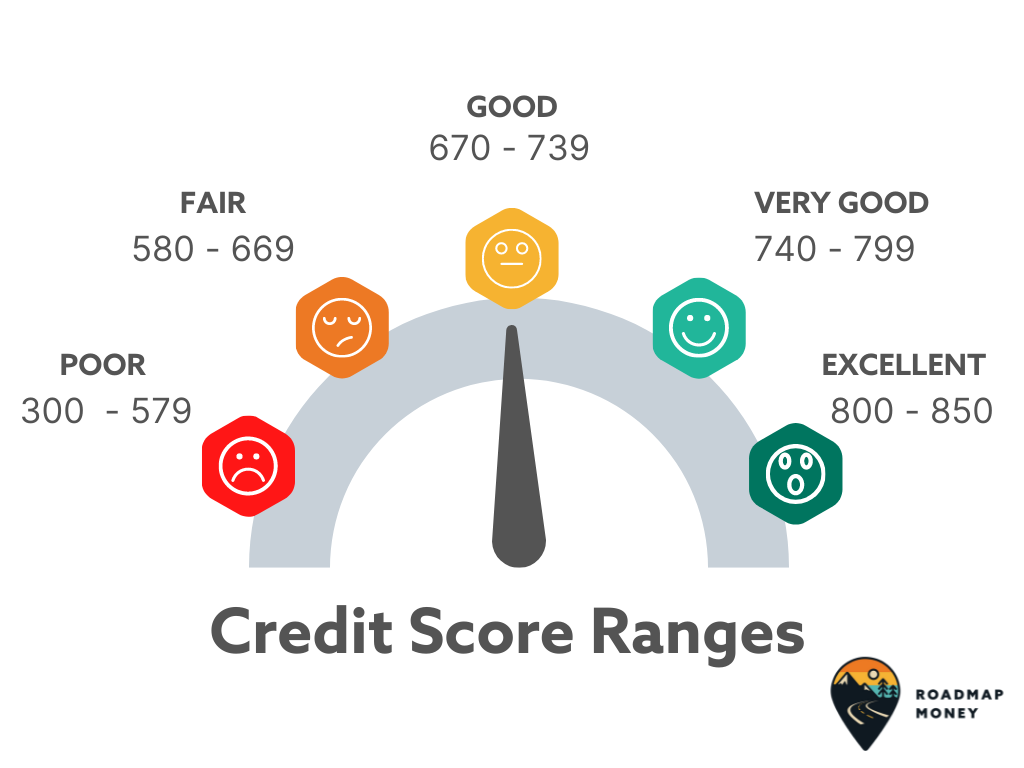
Modern consumer finance runs on a foundational layer of invisible infrastructure. When you apply for a mortgage, car loan, or credit card, lenders don't guess whether you'll pay them back. Instead, they rely on credit reference bureaus to supply a verified history of your financial track record. These institutions collect data from banks, utilities, and lenders to build a comprehensive portrait of your financial reliability. Without this standardized exchange of information, modern lending would grind to a halt, choked by high default risks and asymmetric information.
Beyond simple record-keeping, credit reference bureaus are actively reshaping consumer trust by modernizing how creditworthiness is evaluated. Traditional lending models often shut out credit-invisible consumers, but contemporary bureaus are incorporating alternative data sources like utility payments, rental histories, and cash-flow analytics. This evolution shifts bureaus from passive data archives into active participants in financial inclusion, helping lenders extend credit safely while giving reliable consumers faster access to capital.
The Mechanics of Modern Credit Data Collection
Credit bureaus operate by ingesting millions of daily data points from diverse financial institutions. Every time you make an on-time credit card payment, miss a loan installment, or open a new line of credit, that action is transmitted to major reporting agencies like Equifax, Experian, and TransUnion. This systematic aggregation creates a living document known as your credit report.
The collection process relies heavily on automated data furnishers. Banks and credit unions send batch updates using standardized reporting formats. This automation ensures that your credit file reflects recent financial behavior within weeks. However, the system's reliance on third-party furnishers means data discrepancies can happen. When a lender reports an error, it directly impacts the consumer's borrowing capacity, making accuracy protocols essential to maintaining public trust in the financial ecosystem.
Traditional Versus Alternative Data Inputs
Historically, credit files consisted almost exclusively of traditional credit products: revolving credit cards, auto loans, mortgages, and personal loans. While effective for established borrowers, this narrow scope penalizes individuals who rely on alternative financial management.
Modern bureaus are addressing this gap by integrating alternative data streams:
- Rental Payments: On-time monthly lease payments recorded in credit files help renters build a verifiable score without taking on debt.
- Utility and Telecom Bills: Regular payments for electricity, water, and mobile phone services demonstrate financial consistency.
- Cash-Flow Analytics: Secure bank-linking tools evaluate actual income and spending habits rather than just debt repayment histories.
How Bureaus Bridge the Trust Gap Between Lenders and Borrowers
Trust in consumer finance is reciprocal. Lenders need confidence that borrowers will honor repayment terms, while consumers need assurance that lending decisions are fair, objective, and transparent. Credit reference bureaus anchor this relationship by acting as neutral third parties.
When a consumer interacts with a new digital lender or a traditional bank, neither party starts from zero. The bureau's report provides an objective baseline, neutralizing personal biases and accelerating loan approval times. This speed is particularly vital in modern digital finance, where consumers expect instant decisions on personal loans and mortgages. By standardizing risk assessment, bureaus reduce the friction of borrowing, allowing efficient capital deployment across the economy.
Mitigating Fraud and Securing Identities
As financial transactions move online, identity theft and synthetic fraud pose severe threats to consumer trust. Credit bureaus have evolved into frontline defense systems against these vulnerabilities. By monitoring unusual credit inquiries, rapid address changes, and suspicious tradeline activations, bureaus help flag fraudulent activity before accounts are opened. Consumers benefit from fraud alerts and credit freezes, which lock down their files and prevent unauthorized lending in their names.
The Shift Toward Financial Inclusion and Equity
For decades, traditional credit scoring models left millions of credit-invisible or thin-file consumers stranded outside the formal financial system. Young adults, recent immigrants, and cash-preferring households often faced rejections simply because they lacked a legacy debt footprint.
Modern credit reference bureaus are actively redesigning their analytical frameworks to solve this inclusion crisis. By leveraging trended data and advanced scoring algorithms, such as VantageScore 4.0, bureaus can evaluate how consumers manage revolving balances over time rather than just capturing a static snapshot. Someone who consistently pays off their balance every month is now recognized accurately as a low-risk borrower, even if they have a short credit history. This shift expands the eligible consumer base for lenders while fostering genuine economic mobility.
Common Pitfalls in Consumer Credit Management
Even with modernized scoring models, consumers often stumble over preventable credit management mistakes. Understanding these pitfalls helps preserve financial standing.
- Ignoring Minor Error Notices: Small discrepancies on a credit report can compound over time. Ignoring a lingering late-payment mark from a closed account can unnecessarily suppress a credit score.
- Maximizing Revolving Credit Limits: Running credit cards close to their maximum limits signals high utilization risk, regardless of whether the monthly bill is paid in full.
- Rapid Multi-Applications: Submitting numerous credit applications within a short window triggers multiple hard inquiries, temporarily dinging the overall credit profile.
- Failing to Monitor Files: Assuming credit reports are accurate without routine checks leaves consumers vulnerable to undetected identity theft or reporting errors.
Frequently Asked Questions
How often are credit reports updated by bureaus?
Most data furnishers update consumer credit files every 30 days, typically coinciding with the closing date of each billing cycle. However, certain actions like removing a fraud alert or settling a dispute can update more rapidly once verified.
Can alternative data completely replace traditional credit scores?
Not entirely. While alternative data like rent and utility payments successfully expands access for thin-file consumers, traditional credit products remain the primary benchmark for assessing long-term debt management under complex financial stress tests.
What is the fastest way to correct an error on a credit report?
The most effective approach is filing a direct dispute online through the respective credit bureau's portal (such as Equifax) or via the Consumer Financial Protection Bureau. Bureaus are legally required to investigate and respond to disputes within a standard 30-day window.
Do all lenders report to all three major credit bureaus?
No. Lenders choose which bureaus to report tradeline activity to based on regional preferences and contractual costs. This practice explains why your credit score and report details can vary noticeably between Equifax, Experian, and TransUnion.



