When headlines swirl around legal actions involving major financial institutions, confusion spreads fast. You might have seen online claims about a massive consumer payout tied to a Credit One TCPA settlement. Sifting through internet rumors can feel exhausting, especially when your personal financial standing or credit history feels like it's on the line. Let's clear the air right away: while Credit One Bank resolved a major multi-million dollar enforcement action regarding its communication practices, it wasn't a standard consumer class action with individual cash checks mailed to every customer.
Understanding how these regulatory actions work helps you protect your rights, separate fact from fiction, and manage your credit profile without falling for misleading online claims.
What Happened with Credit One Bank
The legal scrutiny surrounding Credit One Bank involves government enforcement actions rather than a consumer-led payout fund. Specifically, a California task force composed of district attorneys from multiple counties pursued a civil enforcement action against the bank.
The state lawsuit alleged that Credit One and its collection agents engaged in aggressive debt collection tactics. These accusations centered on claims that the bank placed excessive numbers of phone calls to consumers, sometimes reaching out repeatedly after individuals asked them to stop or contacting wrong numbers where no debt was owed.
Rather than dragging the litigation through years of court battles, Credit One entered into a stipulated judgment. The bank agreed to pay a total of $10.2 million. Out of that total, $9 million went toward civil penalties, while the remaining $1.2 million covered investigative costs. Crucially, the bank denied any wrongdoing as part of the agreement.
Why Internet Rumors Get It Wrong
If you search for legal updates online, you'll likely encounter blogs or social media videos claiming that everyday consumers can submit a simple form to collect a cash settlement. Some phantom reports even mention different figures, such as a $14 million fund with individual payouts reaching up to $1,000.
These viral claims often blur the lines between different legal concepts:
- Government Civil Penalties: The $10.2 million settlement paid by Credit One went directly to public agencies and enforcement funds, not to a consumer restitution pool.
- Confusing Separate Cases: The Telephone Consumer Protection Act (TCPA) governs automated calls and texts, while other separate lawsuits against credit issuers might challenge express-payment fees or credit reporting practices. Mixing these cases together creates misinformation.
- Lead-Gen Scams: Some third-party websites publish generic claim forms simply to harvest user data or push unrelated credit repair services, playing on hopes of easy money.
If a legal settlement genuinely includes individual payouts, it will feature a court-approved administrator, explicit eligibility guidelines, and official notices managed through verified legal channels.
How Collection Practices Affect Your Credit Future
Even though a government penalty doesn't put cash in your pocket, aggressive collection calls and billing disputes can indirectly influence your financial health. When accounts enter default or collections, the fallout directly hits your credit reports managed by bureaus like Equifax.
The Damage of Collections on Credit Scores
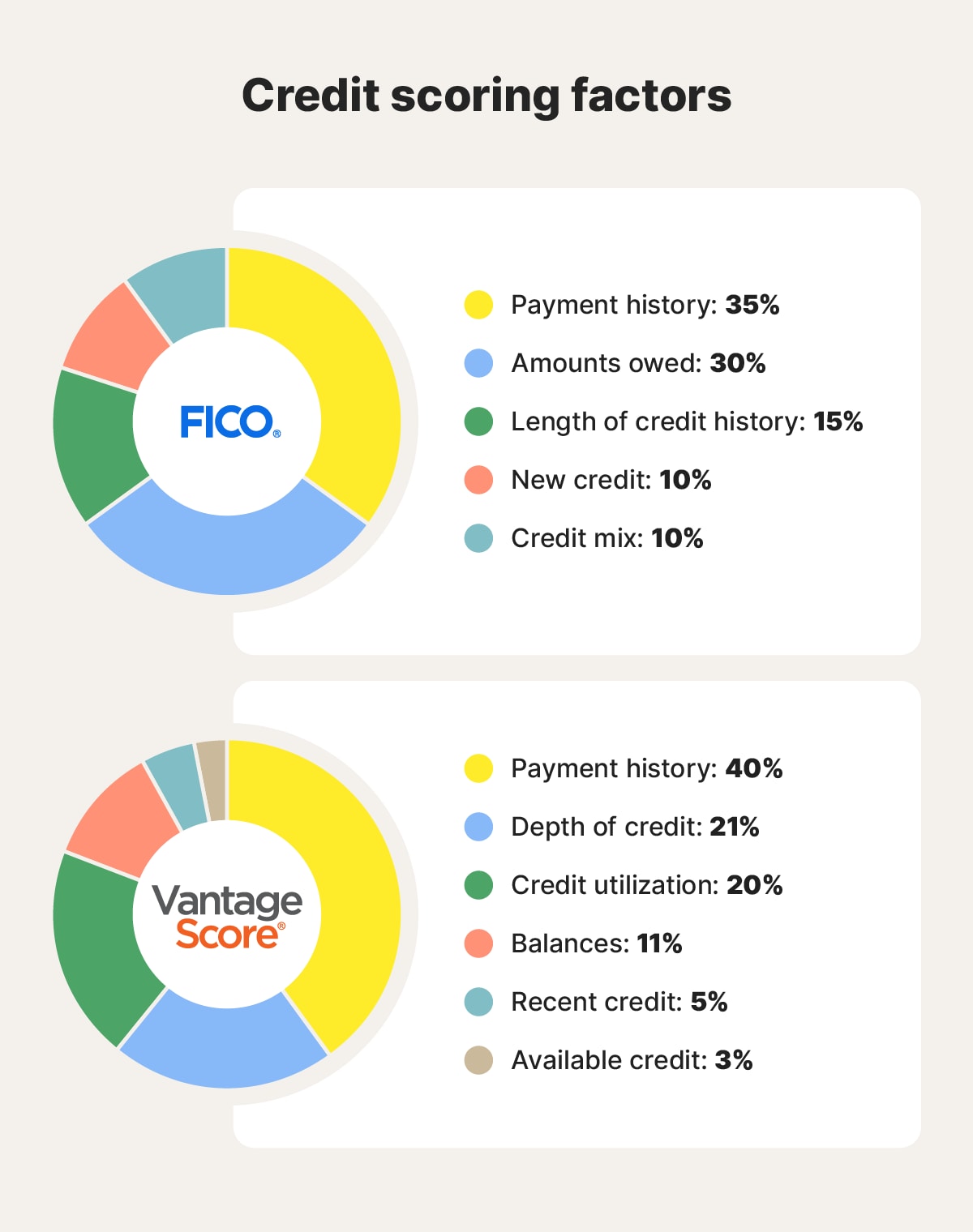
When a creditor charges off an account and sends it to collections, your credit score usually takes a steep drop. Payment history accounts for 35% of your FICO score, meaning collection accounts carry heavy negative weight. If collection agencies use automated dialers or persist with harassing contact, it's often a symptom of underlying account distress that requires direct resolution.
Dealing with Disputed Debts
If you're receiving unwanted calls for debts you don't recognize or believe are inaccurate, you have rights under the Fair Debt Collection Practices Act (FDCPA). You can demand written validation of the debt within 30 days of initial contact. Documenting every interaction protects you if collection methods cross legal boundaries.
Common Mistakes to Avoid
When navigating credit disputes or legal headlines, small missteps can cost you time and money. Watch out for these common traps:
- Filling out unverified claim forms: Submitting your personal data, Social Security number, or banking details to random websites promising settlement payouts opens you up to identity theft.
- Ignoring collection notices: Assuming a debt will disappear because of a news article about a bank lawsuit won't stop a collection agency from reporting negative marks to credit bureaus.
- Conflating legal categories: A regulatory fine for robocalls does not automatically erase a legitimate debt you owe, nor does it grant you a right to personal damages without filing an individual claim where applicable.
Frequently Asked Questions
Can I file a claim to get money from the Credit One penalty?
No. The $10.2 million settlement resolved a civil enforcement action brought by state prosecutors. It consisted of civil penalties and investigative costs paid to government entities, rather than a class-action restitution fund for individual consumers.
What should I do if I get harassing calls from a debt collector?
Keep a detailed log of every call, including timestamps, phone numbers, and the name of the representative. You can send a written request asking the collector to cease phone communication, or file a complaint with the Consumer Financial Protection Bureau (CFPB).
Do automated collection calls violate federal law?
Yes, under the TCPA, companies face strict rules regarding the use of automated telephone dialing systems and prerecorded messages without prior express consent. If a company violates these rules, statutory damages may apply, but pursuing compensation typically requires specific documentation and individual legal steps rather than general news announcements.
How do I protect my credit score from collection accounts?
Monitor your credit reports regularly through official channels like AnnualCreditReport.com. If you spot inaccurate collection accounts, file a direct dispute with both the credit bureau and the data furnisher immediately.



