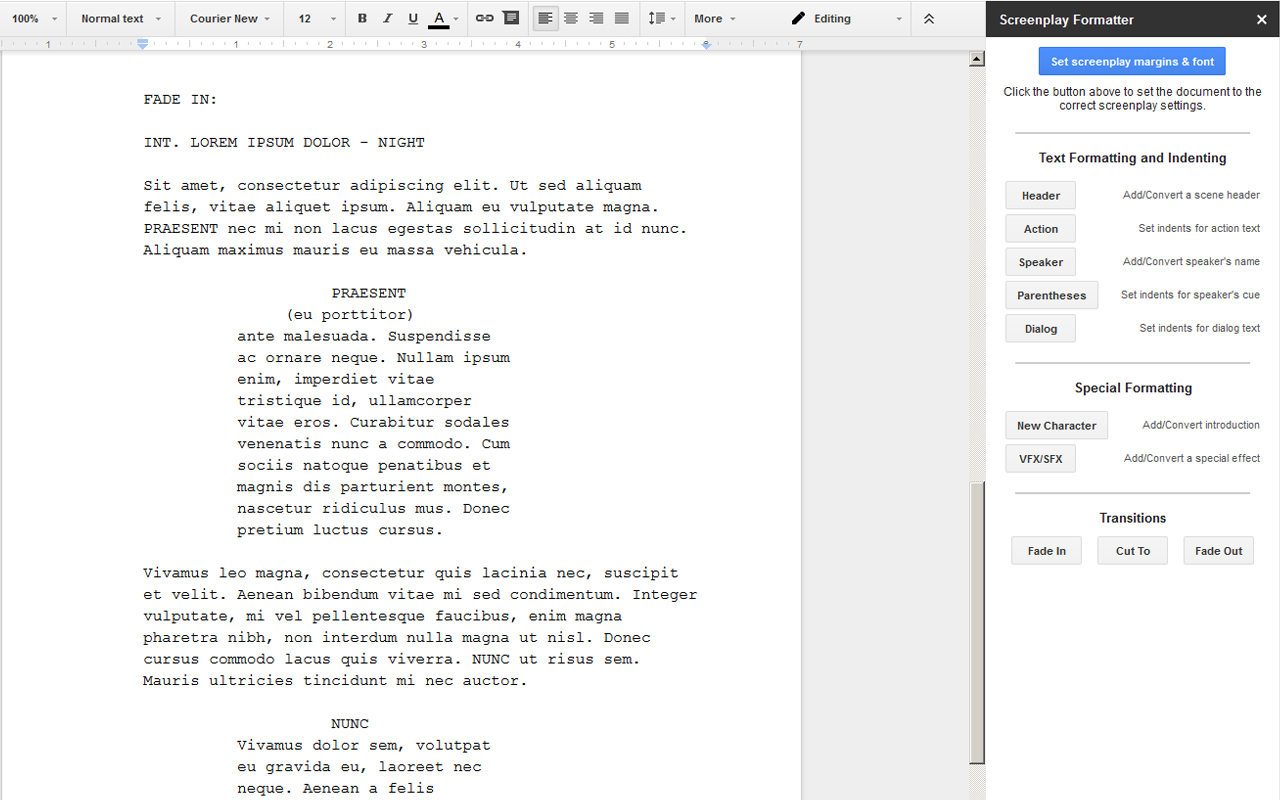
We've all stared at a blinking cursor while the clock ticks down. You sit down with grand ambitions to finish a scene, draft a pitch, or complete a canvas, but nothing happens. Hours slip by in a blur of endless scrolling and meaningless tinkering. This is the creative stall, and it's one of the most frustrating mental traps you can encounter.
Understanding why your project grinds to a halt isn't about blaming your work ethic. It's about recognizing how your brain processes emotional friction, fear of failure, and cognitive overload. When you decode the mechanics behind creative friction, you can finally build systems that get your work moving again without burning yourself out.
Why Creative Stalls Happen
Procrastination isn't just poor time management. Psychologists generally agree that it's an emotion regulation problem. When a task feels too large, too ambiguous, or too high-stakes, your brain perceives it as a threat. To protect you from potential failure or discomfort, it triggers a flight response disguised as distraction.
Several distinct psychological mechanisms drive these stalls:
- Perfectionism and Over-Refinement: You spend hours tweaking the opening sentence because you're terrified the final product won't match the vision in your head. This form of stall keeps you trapped in a loop of endless preparation.
- Analysis Paralysis: You have too many open narrative threads or design options. Because you can't decide which path is optimal, you choose none of them.
- The Dread of the Blank Slate: Starting from scratch requires massive cognitive energy. Without a clear runway, your brain looks for easier dopamine hits elsewhere.
When you treat these stalls as character flaws instead of normal cognitive resistance, you only add shame to the mix. Shame fuels more avoidance, creating a vicious cycle that locks your project in place.
Dismantling the Myth of Inspiration
Many creators wait for a lightning bolt of motivation before they start working. This is a trap. Motivation usually follows action, not the other way around. If you wait until you feel inspired to write or design, you'll spend most of your life waiting.
Professional creators treat production as a routine rather than an emotional event. They understand that most creative output starts messy. By lowering your internal standards for a first draft, you remove the barrier keeping you stuck.
- Lower the bar: Give yourself permission to write absolute garbage for your first thirty minutes. You can fix bad writing later; you can't edit a blank page.
- Define micro-steps: Instead of setting a goal to "write chapter four," set a goal to "write three bullet points about the protagonist's motivation." Small targets bypass your brain's threat-detection system.
- Track input over output: Measure your success by whether you showed up for twenty minutes, not by how many brilliant words you generated.
Practical Tactics to Restart a Stalled Project
When your project is completely frozen, standard advice like "just try harder" won't work. You need specific tactical interventions to break the paralysis and re-engage your momentum.
Change Your Physical Environment
If you've spent three days staring at your screen in the same chair without progress, your brain associates that space with frustration. Move to a different room, sit at a coffee shop, or even work standing up at a kitchen counter for thirty minutes. A simple physical shift can disrupt mental loops.
Use the Temporal Dissection Method
Break your project into uncomfortably small segments. If a script scene feels too heavy, isolate just the dialogue between two characters and ignore everything else. Narrowing your focus reduces cognitive load and makes the next action obvious.
Set Artificial Constraints
Unlimited choices paralyze creativity. Give yourself strict rules to force movement. For example, give yourself fifteen minutes to write an entire scene without using the delete key, or limit your palette to three colors. Constraints force your brain to stop making decisions and start executing.
Common Mistakes That Keep You Stalled
Even when you're trying to fix a creative stall, certain common missteps can pull you right back under. Avoid these traps if you want to maintain long-term momentum:
- Consuming instead of producing: Reading three more books on storytelling feels like work, but it's often a sophisticated form of procrastination. At some point, you have to stop researching and start typing.
- Editing while drafting: Trying to polish a sentence while you're still figuring out where the story goes is like trying to paint a house while it's still being framed. Separate creation from curation.
- Ignoring physical burnout: Sometimes a creative stall isn't psychological resistance at all; it's pure physical exhaustion. If you're sleep-deprived, no amount of mindset hacks will restart your brain. Step away and rest.
Frequently Asked Questions
Is procrastination a sign that I picked the wrong creative project?
Not necessarily. While chronic avoidance can sometimes indicate a loss of genuine interest, it usually points to fear of inadequacy, vague project scope, or unrealistic expectations. Evaluate whether the project itself feels wrong or if you're just intimidated by the execution.
How do I deal with the anxiety of sharing unfinished work?
Anxiety peaks when you view your work as a direct reflection of your self-worth. Shift your perspective by treating early drafts as rough prototypes or experiments. Share your work only with trusted peers who understand the difference between a rough draft and a finished product.
What is the best way to handle severe writer's block?
Stop trying to push through the exact spot where you got stuck. Jump ahead to a scene you actually feel excited about writing, or go backward and rewrite an earlier section. Momentum matters more than chronological order.
How long should a creative break be before it becomes avoidance?
A short break of a few hours or even a couple of days can help clear mental clutter. However, if your break stretches past a week and you find yourself inventing endless chores to avoid your desk, you've crossed from resting into active avoidance. Set a firm return date on your calendar.



