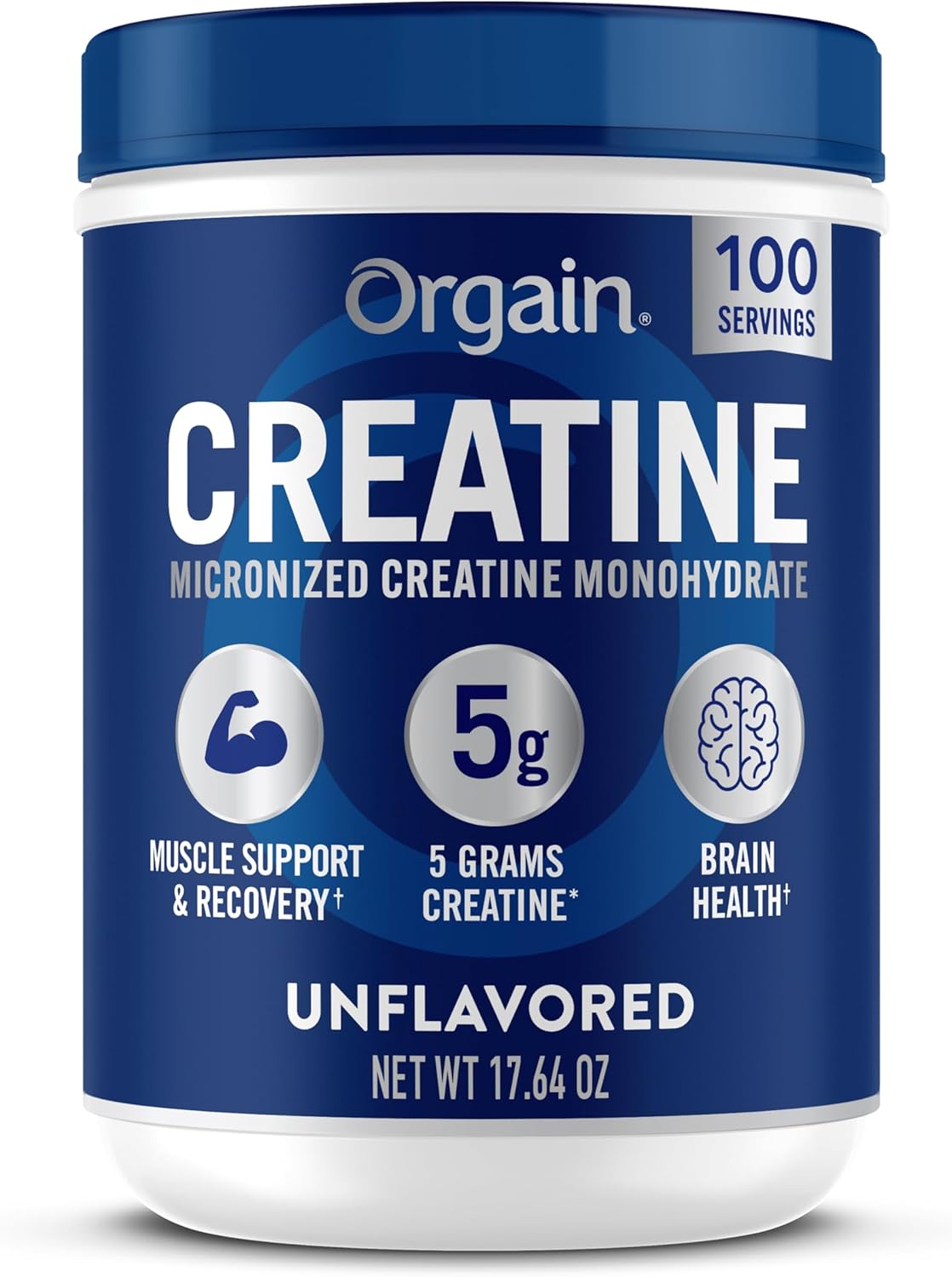
Creatine tablets offer a convenient alternative to traditional powders, but convenience often comes with trade-offs in cost, dosing flexibility, and absorption. If you hate mixing powders or dealing with clumpy shakers, pills look like an easy fix. Yet before you swap your tub for a bottle, you need to understand whether these pressed pills actually deliver the same muscle-building results as standard monohydrate powder without draining your wallet.
For decades, creatine monohydrate powder has reigned as the gold standard of sports nutrition. It's affordable, backed by thousands of peer-reviewed studies, and proven to boost strength, power output, and cellular hydration. Tablets use the exact same active compound, but manufacturers compress the powder into solid form using binding agents. While the active ingredient remains chemically identical, the delivery method changes how you dose, how much you spend, and how easily your digestive system processes the supplement.
The Good: Why Choose Creatine Tablets?
The primary advantage of choosing pills over powder boils down to sheer convenience. You don't need a shaker bottle, clean water, or a measuring scoop when you're traveling or rushing between a long workday and an evening gym session.
- Portability: You can toss a small pill container into a gym bag, backpack, or briefcase without worrying about messy powder spills.
- Pre-measured Dosing: Every tablet contains a fixed amount of creatine, eliminating the guesswork or minor discrepancies of manual scooping.
- No Taste or Texture: Powders can sometimes leave a chalky residue or gritty bottom in your drink. Tablets bypass taste buds entirely, making them ideal for people who dislike the mouthfeel of mixed drinks.
Precision dosing also helps individuals who travel frequently maintain their daily saturation protocols without packing bulky supplement tubs through airport security. Furthermore, clinical reviews published by the National Institutes of Health emphasize that daily consistent intake matters far more than timing, making any format that improves your adherence a worthwhile consideration.
The Bad: The Hidden Drawbacks of Pills
Despite the lifestyle perks, tablets introduce several operational friction points that most manufacturers gloss over on product labels.
First, consider the sheer volume required. A standard clinical maintenance dose sits around 5 grams per day. Because pure creatine is dense and requires binding agents, a single tablet typically contains only 1 gram of active creatine. Swallowing five large horse-pills every single day grows tiresome very quickly. If you're going through a loading phase of 20 grams daily, you're looking at swallowing twenty massive tablets split across multiple servings.
Cost represents another major barrier. Manufacturing pressed pills requires extra machinery, specialized binding ingredients, and additional packaging steps. Brands pass these production overhead costs directly to you. You'll frequently pay double or triple the price per gram compared to bulk monohydrate powder.
- Higher Price per Serving: You pay a steep convenience tax for compressed formulas.
- Swallowing Fatigue: Large pill sizes make daily compliance difficult for people who struggle with capsules.
- Slower Digestion: Binders and coatings can slightly delay breakdown in the stomach, though total absorption remains high if you drink enough water.
The Truth About Absorption and Bioavailability
A common myth suggests that liquid creatine or fancy capsule formulations absorb better than standard powder. The truth is much simpler. Once ingested, your stomach acid and digestive enzymes break down the tablet binders, releasing free creatine molecules into your digestive tract. From there, sodium-dependent transporters shuttle the compound into your bloodstream and eventually into your skeletal muscle tissue.
The chemical structure inside a tablet is still creatine monohydrate in the vast majority of reputable products. Brand marketing often tries to upsell you on buffered formulas, liquid drops, or micronized capsules with exotic names, claiming superior bioavailability. Independent sports science reviews consistently show that standard monohydrate remains the most effective and thoroughly tested form available, regardless of whether it comes out of a scoop or a blister pack.
To maximize uptake, you should always take your daily dose with a glass of water and, ideally, a meal containing carbohydrates and protein. Insulin release helps drive creatine storage into muscle cells more efficiently, a mechanism confirmed by research outlined by the International Society of Sports Nutrition.
Common Mistakes When Buying and Taking Creatine
Avoiding rookie errors saves you money and ensures you actually see physical changes in the gym. Many gym-goers buy expensive specialty blends without reading the ingredient panel, accidentally paying for fillers or under-dosed proprietary blends.
- Ignoring the Label Breakdown: Always check how many grams of active creatine exist per individual tablet. If a serving size says four tablets to get 3 grams, you're getting shortchanged compared to a true 5-gram daily target.
- Failing to Drink Enough Water: Creatine draws water molecules directly into your muscle cells to volumize tissue. If you don't increase your daily fluid intake, you risk mild dehydration, cramping, or sluggish workouts.
- Skipping Consistency on Rest Days: Your muscles need continuous daily saturation to maintain elevated phosphocreatine stores. Stopping on weekends or non-training days causes intramuscular levels to slowly drop back to baseline.
- Expecting Overnight Miracles: Supplements support your training; they don't replace hard work. You'll notice improved endurance and strength output after two to four weeks of steady daily use as your cellular stores fully saturate.
Frequently Asked Questions
Do creatine tablets cause hair loss?
No credible scientific evidence links standard creatine supplementation to hair loss or baldness. A single 2009 rugby study noted an increase in dihydrotestosterone (DHT) ratios, but researchers have never replicated those findings in subsequent trials, and it did not measure actual hair thinning or loss.
Do I need to cycle off creatine?
You don't need to cycle off creatine. Long-term safety studies spanning multiple years show that continuous daily use at standard doses (3 to 5 grams) is safe for healthy adults without harming kidney or liver function.
Can I take creatine tablets on an empty stomach?
Yes, you can take them on an empty stomach, but some people experience mild stomach cramping or nausea. Taking them with a meal or a small protein shake generally resolves any digestive sensitivity.
Are chewable creatine tablets as effective as swallowed pills?
Chewable options work just as well because they dissolve in the mouth or upper stomach before entering the small intestine. Just watch out for added sugars and artificial sweeteners if you monitor your daily caloric intake closely.



