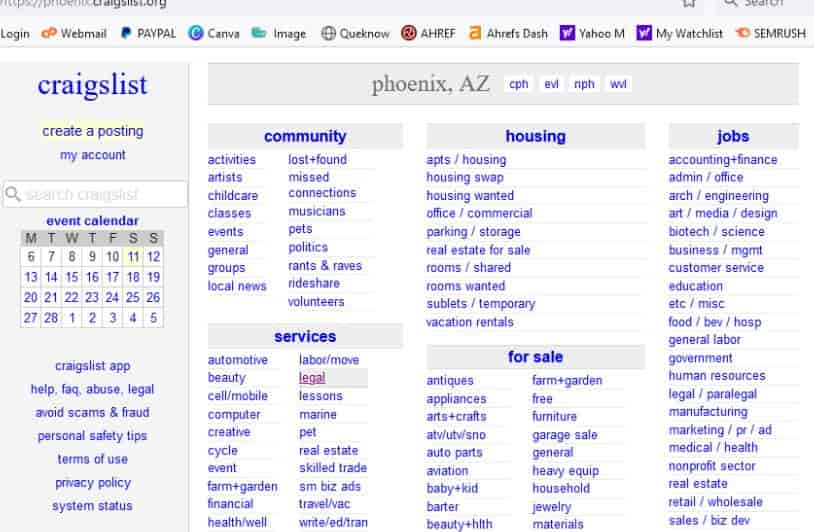
Navigating online classifieds for companion animals in the Granite State requires sharp caution. Craigslist NH pets listings bridge the gap between private owners needing to rehome animals and adopters searching for a companion, but the platform also attracts scammers and backyard breeders. Knowing how to filter listings, spot red flags, and protect yourself and the animal makes all the difference.
Finding a pet through peer-to-peer networks means you won't encounter the formal vetting procedures of a traditional shelter or rescue group. Instead, you act as your own investigator. Whether you're looking in Manchester, Concord, or rural Coos County, understanding local dynamics and platform risks helps you secure a healthy companion without falling victim to fraud.
Understanding the New Hampshire Pet Classifieds Landscape
The pet section on classified sites operates differently than structured adoption centers. People post animals for various reasons, ranging from sudden housing changes and severe financial strain to unexpected owner allergies.
- Private Rehoming: Individual owners looking for a new home for their personal pet. Fees are often minimal or waived, though some request a small rehoming fee to deter malicious buyers.
- Accidental Litters: Local residents dealing with unplanned puppies or kittens. Quality of care varies drastically here, making direct observation critical.
- Local Rescuers and Fosterers: Independent animal advocates using classified boards to reach a wider audience for animals saved from high-kill facilities out of state.
Because these boards lack institutional oversight, you must establish your own safety protocols before exchanging money or taking an animal home. Further reporting by Bloomberg highlights comparable perspectives on this issue.
Essential Screening Steps for Potential Adopters
Before you agree to meet a seller or pick up an animal, you need to gather clear facts. Don't rely solely on the description in the ad. Send a direct message asking specific questions about the animal's background, temperament, and health status.
- Ask for veterinary records: Request proof of vaccinations, spay/neuter status, and recent checkups. A responsible owner keeps these documents on hand.
- Inquire about behavioral traits: Ask how the animal reacts to strangers, other pets, and loud noises. Knowing if a dog has resource guarding tendencies prevents dangerous surprises later.
- Verify the rehoming motive: Listen closely to the owner's explanation. Reluctant owners who sound genuinely heartbroken over a lifestyle change differ greatly from sellers who rush your questions or brush off concerns.
Red Flags to Watch Out For on Classified Boards
The anonymity of online platforms makes them a magnet for bad actors. Spotting warning signs early saves you from heartache and financial loss.
- Upfront wire transfers or deposits: Never send money via cash apps, gift cards, or wire transfers before meeting the animal in person. This is the oldest trick in the book for online pet scams.
- Vague or stock photos: If the pictures look professional, overly staged, or don't match the description, run a reverse image search. Scammers often steal photos from legitimate breeder or shelter sites.
- Refusal of public meetups: If a seller insists you come to an isolated location or refuses to meet in a neutral public space like a well-lit park or a veterinary clinic parking lot, walk away immediately.
- Multiple active listings: A person posting dozens of different purebred puppies under various accounts is likely a commercial puppy mill operator masking as a private hobbyist.
Legal and Practical Responsibilities in New Hampshire
Bringing a new animal into your New Hampshire home means complying with state laws and local ordinances.
The New Hampshire Department of Agriculture, Markets & Food oversees animal health regulations, commercial licensing, and rabies vaccination mandates. By state law, all dogs, cats, and ferrets must be vaccinated against rabies by the age of three months.
Additionally, check your local town or city ordinances regarding pet licensing. Most New Hampshire municipalities require dog licensing annually by April 30th, which requires proof of a current rabies vaccination. Factor these recurring municipal requirements and local veterinary costs into your budget before committing to a new pet.
Frequently Asked Questions
Are pets on classified sites always free?
No. While some owners list animals for free or a nominal fee to ensure a good home, others charge significant rehoming fees. Be wary of exorbitant prices for mixed-breed pets, as high fees often signal commercial breeding operations bypassing state kennel laws.
What should I bring to a pet pickup meeting?
Bring a secure carrier or a proper-fitting martingale collar and leash, bottled water, a portable bowl, and old towels for the vehicle. If you're picking up a dog, a sturdy travel crate keeps everyone safe during the drive home.
Can I return a pet if it doesn't work out?
Private rehoming agreements rarely come with a formal return policy. Unlike shelters that typically accept animals back if placements fail, private owners may be unresponsive once the transaction is complete. This makes your initial assessment period vital.
How can I verify if an animal is healthy during a brief meeting?
Look for clear eyes, a clean coat free of excessive shedding or bare patches, steady breathing, and alert behavior. Avoid animals that appear excessively lethargic, fearful, or show signs of heavy coughing or nasal discharge. You can also request a pre-adoption exam at a local veterinary clinic.



