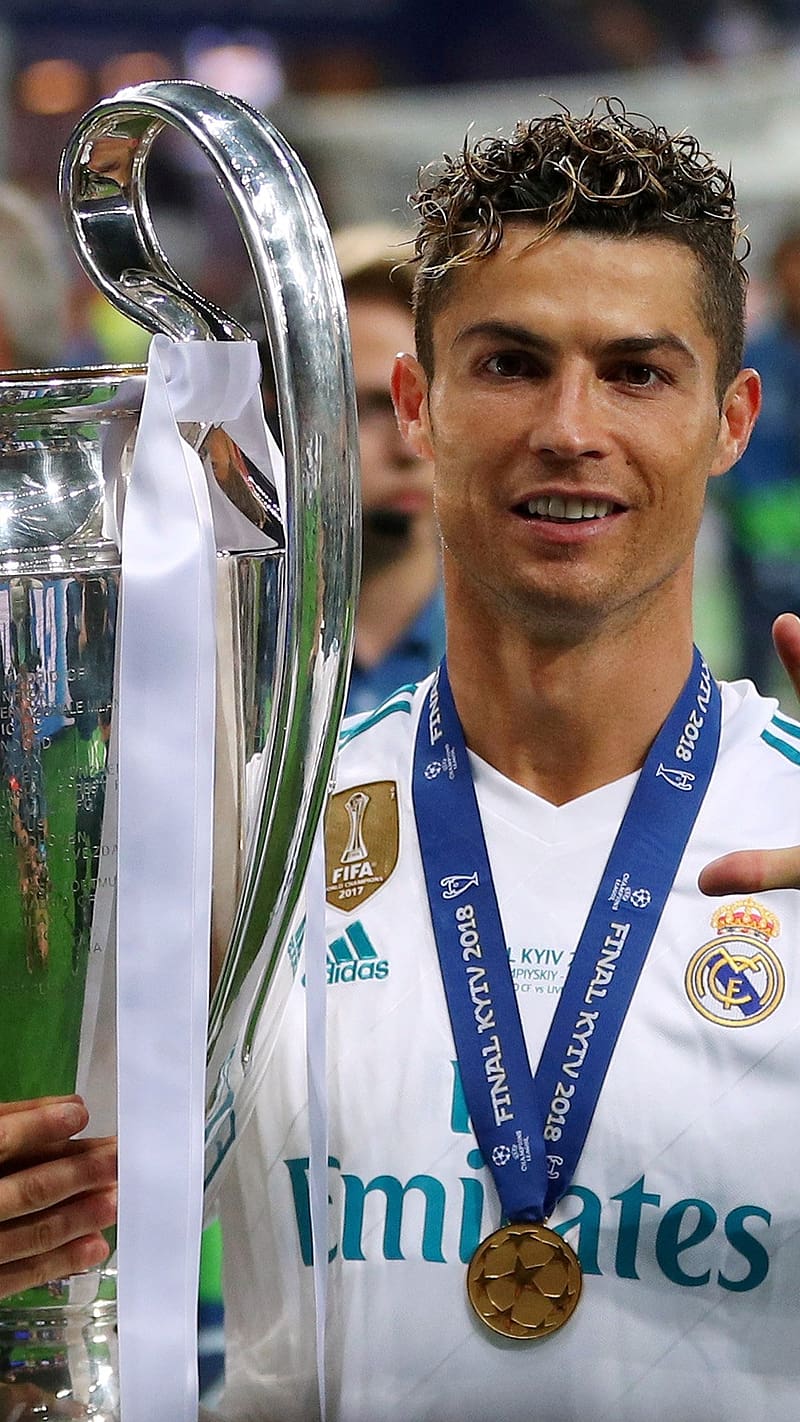
In the summer of 2006, Cristiano Ronaldo walked back onto English pitches carrying the weight of a nation's anger and the intense scrutiny of the British press. Months earlier at the World Cup in Germany, his involvement in Wayne Rooney's red card during the Portugal-England quarterfinal made him Public Enemy Number One in the Premier League. Fans expected him to buckle, demand a transfer, or fade under relentless abuse. Instead, the twenty-one-year-old winger used that hostility as fuel, transforming himself from an inconsistent trickster into a ruthless, unstoppable force that dragged Manchester United back to the summit of English football.
The 2006-2007 season marks the precise watershed moment where Ronaldo stopped playing for the highlight reel and started playing for the scoreboard. While observers often look at his 2008 Ballon d'Or campaign as his peak, the foundational mechanics of that greatness were forged in the white-hot pressure cooker of the 2006 season. Let's look at how a polarizing young winger evolved into a historic Manchester United legend during one of the most volatile years of his career.
The Aftermath of Germany 2006 and Premier League Hostility
When Ronaldo returned to Carrington for pre-season training ahead of the 2006-2007 campaign, the atmosphere was toxic. Tabloid newspapers whipped up outrage over the winking incident involving Wayne Rooney during the 2006 FIFA World Cup. Every away stadium in England prepared a hostile welcome. Boos, jeers, and hostile banners greeted him at grounds from Fratton Park to White Hart Lane.
Sir Alex Ferguson recognized the psychological danger facing his young star. Rather than isolating Ronaldo, Ferguson wrapped his arm around him, shielding him from the media storm while challenging him to channel his frustration onto the pitch. The club made it clear he wasn't for sale, rebuffing strong interest from Real Madrid.
This hostility forced a rapid psychological maturation. Ronaldo couldn't rely on drawing soft fouls or playing with carefree arrogance anymore; opposing crowds and defenders wanted to intimidate him out of the game. He responded by bulking up physically during extra gym sessions, developing the upper-body strength that would eventually make him nearly impossible to shoulder off the ball.
The Evolution From Showman to Match-Winner
Before 2006, critics frequently accused Ronaldo of excessive stepovers, poor decision-making, and a lack of end product. He would beat three defenders only to overhit a cross or shoot wildly into the stands. The 2006-2007 season marked a brutal culling of unnecessary flair from his game.
Under the guidance of Ferguson and assistant manager Carlos Queiroz, Ronaldo streamlined his movement. He learned to time his runs into the penalty box, transforming his goal output dramatically. His statistics jumped from single-digit league goals in previous years to 17 Premier League goals that season alone, earning him the PFA Players' Player of the Year and Young Player of the Year awards simultaneously—a rare feat achieved by very few.
- Directness over flair: He cut out redundant stepovers near the touchline, opting instead for explosive, vertical acceleration into space.
- Two-footed threat: He spent hours after training sharpening his left foot, making him unpredictable when cutting inside from the left flank.
- Aerial dominance: Recognizing his towering leap, he began attacking crosses with the timing of an elite central striker.
Rebuilding the Partnership with Wayne Rooney
The media predicted that the Rooney-Ronaldo relationship was permanently shattered after the World Cup clash. Pundits claimed the dressing room would fracture, leading to a toxic environment at Old Trafford.
Instead, the two young stars cleared the air immediately upon reconvening in Manchester. They realized that their combined talents offered Manchester United a devastating counter-attacking weapon. On the pitch, their telepathic understanding blossomed. Ronaldo's direct running created chaotic spaces for Rooney, while Rooney's intelligent hold-up play and selfless defensive tracking allowed Ronaldo freedom to drift inside.
This partnership became the engine room of United's first Premier League title in four years. You can read more about the club's rich history and historical rosters directly on the Official Manchester United Website.
Tactical Shifts Under Sir Alex Ferguson
Ferguson's tactical adaptation during the 2006-2007 season accommodated Ronaldo's growing influence. Moving away from a rigid 4-4-2 formation at times, United often deployed an asymmetric setup that allowed Ronaldo to operate with nominal defensive responsibilities, trusting his explosive output in transition to bail out the team.
This role required immense physical conditioning. Ronaldo had to sprint sixty yards back on defense when possession was lost, then immediately ignite a counter-attack when United regained the ball. His stamina levels skyrocketed during this period, laying the groundwork for his transformation into a supreme athlete.
Frequently Asked Questions
How many goals did Cristiano Ronaldo score in the 2006-2007 season?
Ronaldo scored 23 goals in all competitions during the 2006-2007 season, including 17 in the Premier League, helping Manchester United secure their first league title since 2003.
Did the World Cup wink incident almost cause Ronaldo to leave Manchester United?
Yes, intense media pressure and hostile crowds across England made Ronaldo genuinely consider a move away from Manchester. Real Madrid and Valencia showed strong interest, but Sir Alex Ferguson flew to Portugal during the summer break to convince him to stay.
When did Ronaldo first win the Ballon d'Or?
While his 2006 performances set the trajectory, Ronaldo won his first Ballon d'Or in 2008 following Manchester United's Champions League and Premier League double.
How did Ronaldo change his playing style in 2006?
He shifted from a traditional, flamboyant winger who relied heavily on tricks to an efficient, goal-scoring wide forward who prioritized vertical speed, physical strength, and direct shooting.


.jpg)
