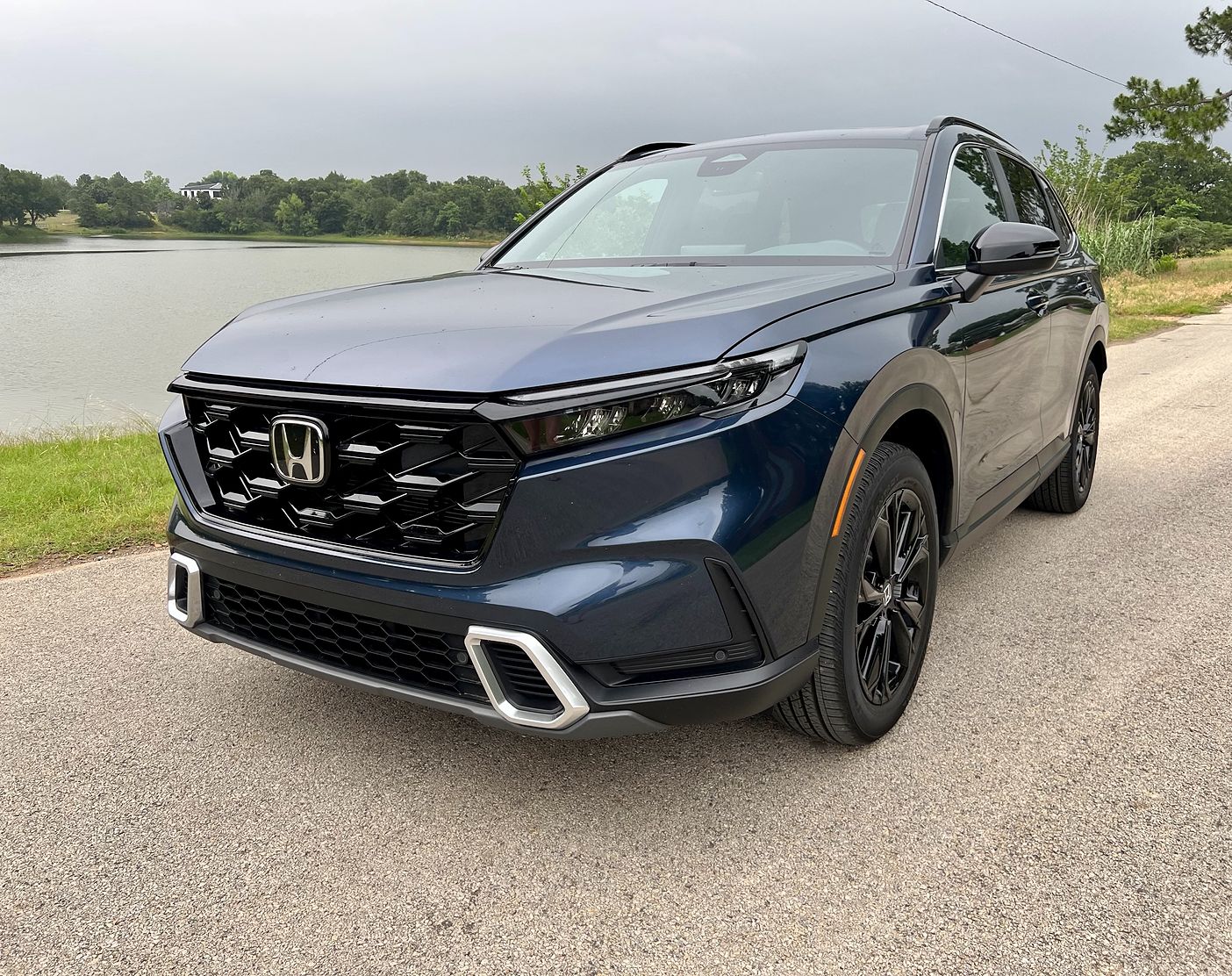
Securing a favorable lease on a fuel-efficient compact SUV requires looking past advertised monthly payments and dissecting the core pricing variables. When you want a Honda CR-V Hybrid without overpaying, your focus must shift directly to the capitalized cost, the money factor, and residual values rather than dealer gimmicks. Dealerships often mask high financing costs behind low down payment claims, leaving savvy shoppers to do the heavy lifting to find true savings.
Decoding the Core Lease Math
Before stepping onto a dealership lot, you need to understand how lease payments are calculated. A lease isn't a complex mystery; it's a math equation built on depreciation, finance charges, and taxes. If you don't control each variable, you'll end up paying hundreds more than necessary over a standard 36-month term.
The capitalized cost is the agreed-upon purchase price of the vehicle. Just because a window sticker lists a specific MSRP doesn't mean you have to pay it. Treat the cap cost like a cash purchase price and negotiate it downward before mentioning that you want to lease. Lowering the cap cost directly reduces the monthly depreciation charge.
The residual value is what the financing institution predicts the SUV will be worth at the end of your term, expressed as a fixed percentage of the MSRP. Higher residual values are your best friend because you only pay for the portion of the vehicle that depreciates. Honda models traditionally hold strong residual values, which naturally makes them competitive to lease compared to brands that suffer rapid depreciation.
The money factor represents the interest rate charged by the leasing company. Dealerships love to inflate this number to pad their profit margins. Always ask for the raw buy rate, which is the baseline interest rate provided by captive lenders like Honda Financial Services. If a dealer quotes you a higher money factor, you're paying an unadvertised markup.
Mastering Capitalized Cost Reductions
Negotiating the selling price of a leased car follows the exact same rules as buying one outright. Walk in knowing what local inventory looks like and check regional pricing guides on platforms like Edmunds to see what other buyers are paying.
Avoid putting a large cash down payment into a lease. If the vehicle is totaled or stolen three months into your contract, insurance payouts go to the leasing company to cover the balance, and your hard-earned down payment vanishes instantly. Instead, roll those fees or minimal upfront costs into the monthly payment, or pay only the initial drive-off costs like registration, the first month's payment, and local documentation fees.
Factory incentives and manufacturer rebates can also lower your effective cost. Look for loyalty programs, recent college graduate offers, or military rebates that apply directly to hybrid models. Make sure these manufacturer credits are applied directly to lower the capitalized cost rather than being used by the dealer to cover administrative fees.
Navigating Mileage Allowances and Wear Guidelines
Lease contracts come with strict usage limits that can trigger expensive penalties if you ignore them. Standard mileage tiers typically offer 10,000, 12,000, or 15,000 miles per year. Selecting the right tier upfront saves you from steep per-mile excess charges at lease turn-in, which often range from fifteen to twenty cents per mile.
If your daily commute involves heavy highway driving or road trips, buying a higher mileage allowance at the contract signing is significantly cheaper than paying penalties later. Conversely, if you work remotely and rarely drive, opt for the lowest tier to secure a lower monthly payment.
At the end of your term, the inspection process dictates whether you pay for excess wear and tear. Small door dings or minor bumper scuffs often fall under normal use guidelines, but cracked windshields, deep interior tears, or mismatched tires will result in penalty bills. Schedule a pre-inspection a month before your lease ends so you have time to fix minor issues independently rather than paying inflated dealer repair rates.
Avoiding Common Dealership Traps
Car sales floors are engineered to confuse consumers by bundling various add-ons into the monthly payment structure. Dealerships frequently pitch lease-end protection plans, security deposit waivers, or etched VIN numbers as mandatory requirements. None of these extras are legally required to secure a vehicle contract.
Watch out for payment packing, a tactic where a salesperson asks what monthly budget you have in mind and then stretches the lease term from 36 months to 48 months or manipulates the mileage terms to hit that number. Always negotiate the vehicle price and financing terms independently before discussing monthly targets.
Keep a close eye on acquisition fees and documentation fees. While acquisition fees from captive lenders are standard, local dealer doc fees vary wildly. Compare fees across multiple regional dealerships to ensure you aren't getting overcharged for paperwork handling.
Frequently Asked Questions
Is it better to put money down on a hybrid lease?
Putting a large cash down payment on a lease is generally a bad idea. If the vehicle is written off in an accident early in the term, insurance payouts settle the leasing company's claim, and your upfront cash is lost. Keep your out-of-pocket costs at signing as low as possible.
Can you negotiate the purchase price of a leased vehicle?
Yes. The capitalized cost is fully negotiable. Treat the initial negotiation just like a cash sale to drive down the vehicle price before the finance manager calculates your monthly depreciation fees.
What happens if I exceed my annual mileage limit?
Exceeding your mileage limit means you will pay a predetermined excess mileage fee for every mile driven over the contract threshold when you return the vehicle. If you realize mid-term that you're driving too much, contact your financing institution to discuss options or evaluate early lease buyout paths.
Are maintenance costs covered during a lease?
Many manufacturers include complimentary basic scheduled maintenance for the first year or two of ownership, but you are still responsible for routine items like tire rotations, wiper blade replacements, and auto insurance coverage throughout the entire term.



