Navigating sleep apnea treatment options often leads to a comparison between continuous positive airway pressure and expiratory positive airway pressure devices. While both systems target airway collapse during sleep, their underlying mechanics, device form factors, and daily user experiences differ significantly.
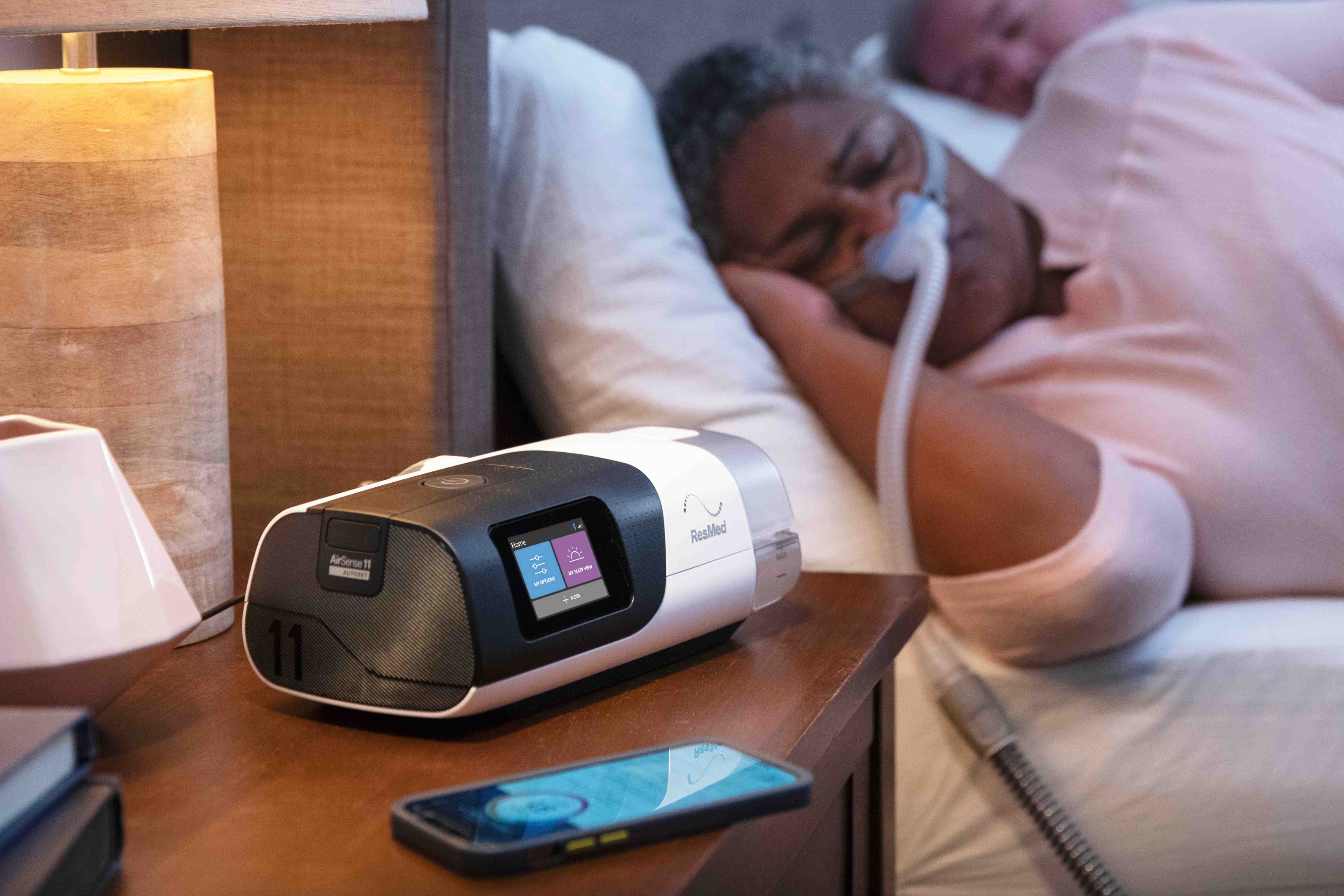
Continuous positive airway pressure—widely known as CPAP—uses a bedside motor and hose to deliver a steady stream of pressurized air through a mask, keeping the upper airway propped open throughout both inhalation and exhalation. Conversely, expiratory positive airway pressure (EPAP) relies entirely on your own breath, utilizing small, disposable nasal valves that create resistance only when you exhale, without electricity or bulky motors. Understanding these structural differences helps clarify which option fits specific clinical needs and lifestyle preferences.
Core Mechanisms: How Each System Works
The operational design of a CPAP machine centres on active airflow generation. A motorized compressor draws in room air, filters it, and pushes it through tubing at a prescribed pressure level. This constant pneumatic splint prevents the soft tissues in the throat from relaxing and collapsing. Because the machine maintains pressure across the entire respiratory cycle, breathing out against that incoming flow requires conscious adjustment for new users.
In contrast, EPAP operates on a passive, breath-actuated principle. Small adhesive valves are placed over the nostrils before sleep. When you breathe in, tiny flaps inside the valve open easily to allow unimpeded airflow. When you exhale, those flaps close, forcing air out through small vents. This creates backpressure that maintains an open airway just as you transition into the next breathing cycle. No power cords, batteries, or bedside units are required.
Clinical Effectiveness and Research Findings
When evaluating therapeutic outcomes, CPAP remains the clinical benchmark for treating moderate-to-severe obstructive sleep apnea. Decades of data support its ability to normalize blood oxygen levels and eliminate apneic events. However, its success depends entirely on consistent nightly wear.
Studies examining EPAP indicate that it can successfully reduce the apnea-hypopnea index (AHI) for individuals with mild-to-moderate obstructive sleep apnea. For example, clinical trials have shown meaningful drops in breathing interruptions and snoring. Yet, healthcare providers often note that EPAP may not generate sufficient pressure to overcome severe airway collapses, making device selection dependent on diagnostic severity determined during a sleep study evaluated by a specialist through the American Academy of Sleep Medicine.
Practical Lifestyle and Comfort Factors
Daily adherence often dictates treatment success. The physical footprint of each therapy creates distinct user experiences:
- Portability: CPAP units require a power source, distilled water for humidification chambers, and dedicated travel bags. EPAP valves fit into a pocket-sized case, making them ideal for frequent travelers or camping trips.
- Maintenance: CPAP setups demand daily washing of masks and chambers, alongside weekly tube and filter replacements. EPAP devices typically involve daily cleaning of simple silicone valves or disposal on a scheduled basis.
- Sensory Experience: CPAP introduces mask claustrophobia, hose restriction, and occasional motor hum. EPAP eliminates hose entanglement and noise entirely, though adhesive skin sensitivity can occasionally occur.
Common Mistakes in Treatment Selection
Patients frequently switch therapies without clinical guidance, leading to poor symptom control. One common error is assuming that EPAP can replace CPAP after a severe obstructive sleep apnea diagnosis without consulting a physician. Another pitfall is ignoring mouth-breathing habits; because EPAP relies on nasal airflow, individuals who breathe through their mouths during sleep experience reduced therapeutic efficacy unless adjuncts like chin straps are used.
Frequently Asked Questions
Can I switch from CPAP to EPAP on my own?
No. Transitioning between positive airway pressure modalities requires a physician's evaluation and often a follow-up sleep study to ensure your blood oxygen levels remain stable throughout the night.
Does insurance cover EPAP devices?
Coverage varies significantly by provider and policy. While traditional CPAP equipment and supplies are standard under most medical plans, disposable EPAP valves may have different reimbursement rules. Checking directly with your insurance provider is essential.
Why do some people struggle to exhale on CPAP?
A standard CPAP delivers uniform pressure. Exhaling against that incoming stream feels unnatural at first. Modern machines often include pressure relief features to drop the pressure slightly during exhalation, mimicking aspects of more complex devices.
Are EPAP devices effective for heavy snoring?
Research indicates that EPAP can reduce snoring by keeping the upper airway stable during expiration, but snoring can also stem from issues unrelated to airway collapse, such as nasal congestion or structural throat anatomy.