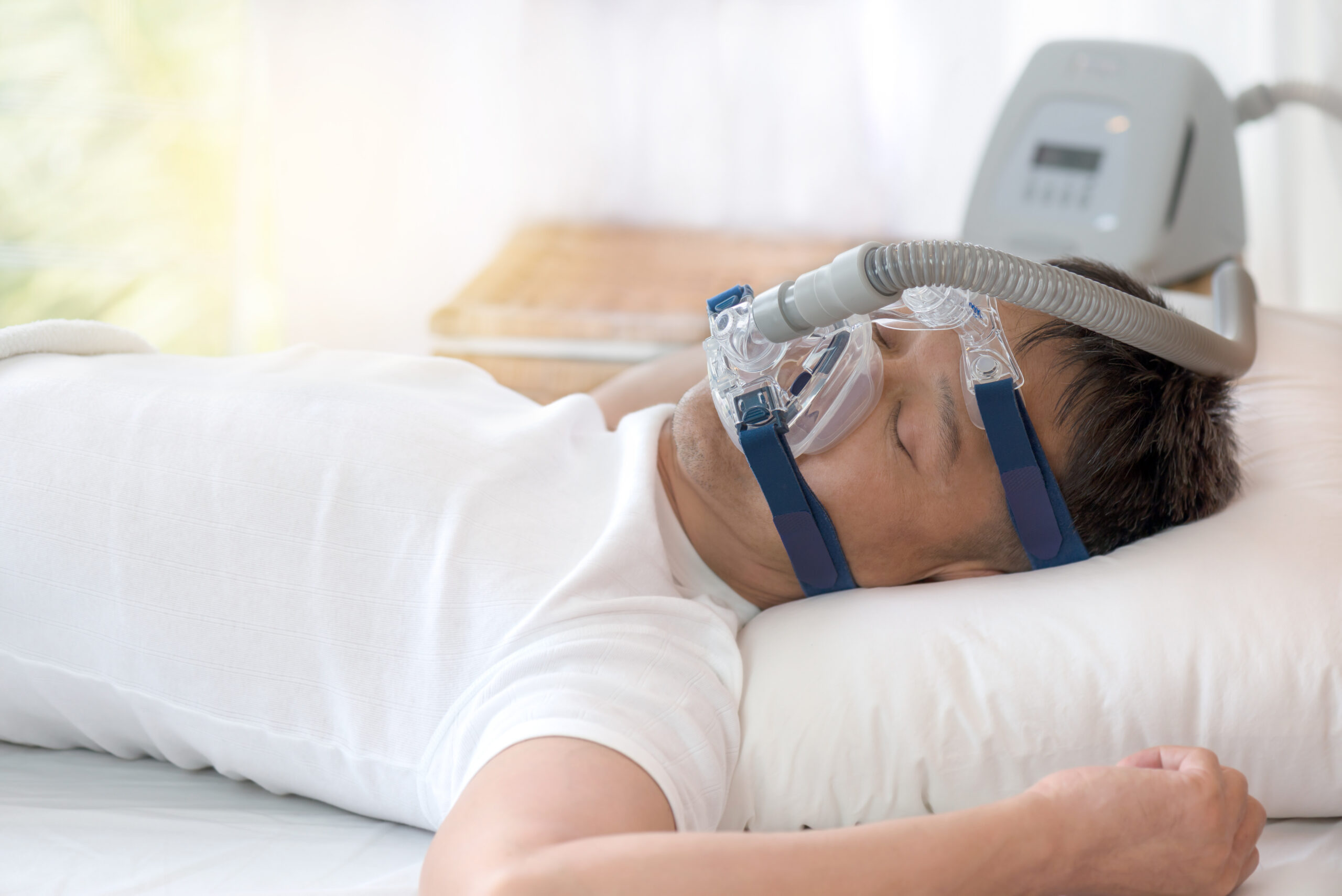
Your CPAP machine tracks how many times your breathing pauses or slows down each hour while you sleep, giving you a core metric known as the Apnea-Hypopnea Index (AHI). When you wake up, checking this number helps you evaluate whether your therapy is keeping your airway open or if micro-awakenings are still fragmenting your rest cycles.
An AHI score under 5 events per hour is standard medical shorthand for successful treatment. If your device reports numbers consistently higher than that, your sleep architecture remains disrupted by drops in blood oxygen and brief nighttime spikes in adrenaline, even if you don't fully remember waking up.
Understanding the Apnea-Hypopnea Index
The AHI combines two distinct breathing disruptions that occur during the night: complete collapses of the airway and partial restrictions that starve the brain of oxygen.
- Apneas: Complete cessations of airflow lasting at least 10 seconds. Your chest muscles strain against a closed throat until a micro-arousal forces the brain to jolt your nervous system awake just enough to reopen the airway.
- Hypopneas: Partial obstructions where airflow drops by at least 30 percent for 10 seconds or more, accompanied by a measurable dip in blood oxygen saturation.
Both events break apart your natural progression through deep sleep and REM cycles. Sleep architecture requires uninterrupted blocks of time to repair tissue, consolidate memory, and regulate blood pressure. When an AHI score spikes, you spend your night trapped in endless loops of light sleep, which explains why morning exhaustion persists despite spending eight hours in bed.
Breaking Down CPAP Event Ranges
Interpreting your daily or weekly average requires looking at standardized clinical thresholds. Clinicians classify treatment efficacy using these brackets:
- Under 5 events per hour: Considered normal or successfully treated sleep apnea. The airway remains stable throughout the night.
- 5 to 14.9 events per hour: Mild residual event rate. While significantly better than untreated severe apnea, you might still experience daytime brain fog or mild fatigue.
- 15 to 29.9 events per hour: Moderate residual disruption. Therapy is missing a substantial number of events, leaving you vulnerable to cardiovascular strain.
- 30+ events per hour: Severe disruption. Your machine is failing to control the obstruction, requiring an immediate review of your settings, mask fit, or pressure needs.
According to guidelines from the American Academy of Sleep Medicine, reducing these numbers protects long-term vascular health by lowering systemic inflammation and reducing the nocturnal surges in heart rate that drive hypertension.
Why Your CPAP Events Spike
A sudden jump in your events per hour usually points to a mechanical or physical interference rather than a sudden worsening of your underlying condition. Look out for these common culprits:
- Mask Leaks: If air escapes around your cushion or eye-level straps, the machine cannot deliver the precise pressure needed to splint your airway open. High leak rates often trigger false readings or misclassified central events.
- Sleeping Position: Sleeping flat on your back allows gravity to pull the tongue and soft palate backward. If you use a fixed-pressure device, it might not compensate adequately when you roll onto your back.
- Nasal Congestion: Allergies, a sinus infection, or a deviated septum can force you to mouth-breathe, destabilizing airflow dynamics and drying out your nasal passages.
- Pressure Settings: If your prescribed pressure is too low, it won't hold the airway open during deep REM sleep when throat muscles relax completely. Conversely, excessive pressure can cause pressure-induced central apneas.
Common Mistakes When Tracking AHI
Many users misinterpret their nightly data because they focus on the wrong details. Avoid these pitfalls to get an accurate read on your therapy:
- Chasing a Zero: It's normal for a healthy person to have an occasional random breathing irregularity. Chasing a flat zero every single night can lead to unnecessary, counterproductive pressure increases.
- Ignoring the Leak Graph: Always check your mask leak data alongside your AHI score. A high event count accompanied by a high leak rate means your mask seal is the primary issue, not your pressure.
- Reacting to Single Nights: One bad night of sleep caused by stress, alcohol, or a bad mask seal doesn't mean your prescription has failed. Look at your 7-day and 30-day averages instead.
- Changing Pressures Alone: Never alter your machine's clinical pressure settings without consulting your sleep specialist or equipment provider. Unsupervised changes can worsen your breathing events or cause discomfort.
Frequently Asked Questions
What is a normal AHI score on a CPAP machine?
A treated AHI score of fewer than 5 events per hour is considered normal. However, your personal target should focus on how you feel during the day alongside your data. Some patients feel completely restored at an AHI of 3, while others need to get closer to 1 or 2 to eliminate daytime fatigue.
Why does my AHI change drastically from night to night?
Nightly variations are common and usually stem from changes in sleep stages, sleeping positions, alcohol consumption, or nasal congestion. REM sleep involves deeper muscle relaxation, which makes airway collapse more likely and can temporarily push up your AHI score during the second half of the night.
Can a CPAP machine cause new breathing events?
Yes. Excessively high air pressure can sometimes trigger treatment-emergent central sleep apneas, where the brain temporarily forgets to send a signal to breathe because the carbon dioxide levels in the blood drop too low. If your machine reports a high number of central apneas, your doctor may need to adjust your therapy mode.
How do I know if my mask is leaking too much?
Most modern CPAP machines display a daily leak rate measured in liters per minute. If your device flags a high leak warning, or if you wake up with dry eyes and a whistling sound coming from your mask cushion, your seal is compromised and requires adjustment or replacement parts.