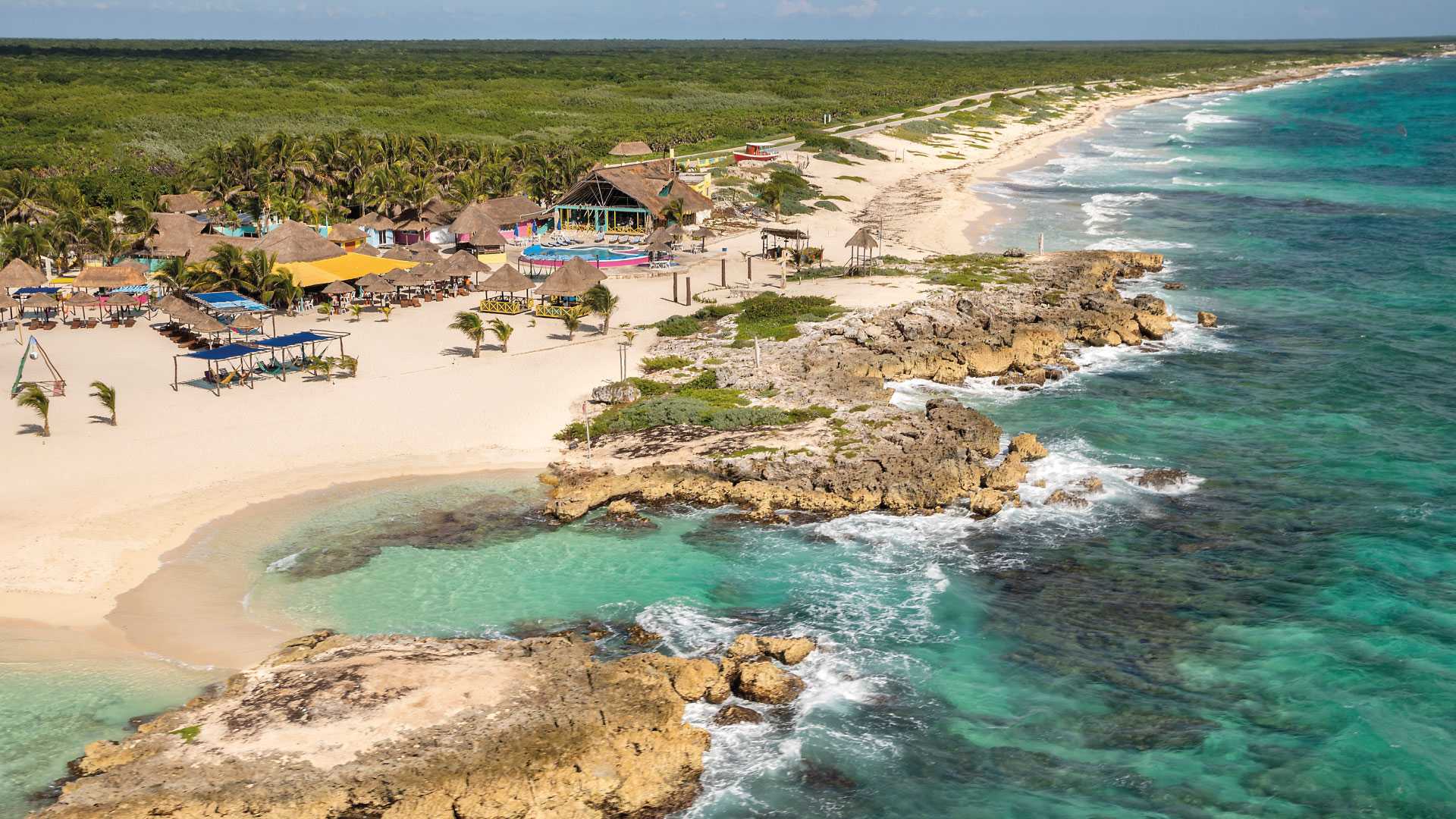
When environmental inspectors shut down access to Kúutsmil Park in southern Cozumel, it wasn't just a routine regulatory penalty. Heavy machinery had illegally damaged local lagoons and mangroves, exposing the fragile balance between commercial development and ecological preservation on the Mexican island. This enforcement action highlights intense structural pressures facing protected coastal zones across the region.
The closure serves as a stark reminder of what happens when rapid tourism expansion outpaces environmental oversight. Mangroves and coastal lagoons act as natural shock absorbers against hurricanes, serve as nurseries for marine life, and filter pollutants before they reach the Mesoamerican Barrier Reef. When these ecosystems face unauthorized clearing, the damage ripples across the entire marine habitat.
Anatomy of the Enforcement Action
Federal and local environmental authorities stepped in after verifying that unauthorized construction equipment was actively altering wetland topography. Mangrove ecosystems are heavily protected under Mexican federal law because of their vital ecological functions.
- Habitat Destruction: Heavy machinery grading land tears up red and black mangrove roots that stabilize shorelines.
- Hydrological Disruption: Filling lagoons alters natural water flow, trapping stagnant runoff and suffocating aquatic species.
- Regulatory Pushback: Inspectors moved swiftly to halt operations, signaling a stricter stance against developers ignoring land-use permits.
Government agencies are facing mounting pressure from local scientists and community groups who document the steady degradation of coastal zones. Unauthorized land clearing threatens not only local biodiversity but also the long-term viability of Cozumel's nature-based economy.
The Broader Ecological Stakes in Cozumel
Cozumel's protected areas support unique species and buffer the coastline from severe weather. However, the island's ecosystems face cumulative stressors from multiple fronts. Unchecked coastal construction, wastewater runoff, and high visitor density strain local resources.
Mangroves are exceptionally efficient carbon sinks, storing vast amounts of organic carbon in their submerged soils. When these wetlands are bulldozed or filled in, stored carbon releases back into the atmosphere, accelerating local climate impacts. Furthermore, losing these natural filters allows sediment and urban runoff to flow directly onto nearby coral reefs, choking out marine organisms that rely on clean, clear water.
Balancing Tourism and Conservation
Tourism drives Cozumel's economy, yet over-reliance on high-impact infrastructure creates an ecological paradox. Visitors come to experience pristine beaches and vibrant reefs, but the physical footprint required to host millions of tourists each year often degrades those exact natural assets.
Local authorities and federal regulators are forced to navigate a difficult path. Enforcing park closures and halting illegal builds demonstrates accountability, but prevention requires proactive enforcement before heavy machinery alters a landscape.
- Stricter Permitting Audits: Requiring transparent environmental impact assessments before any heavy equipment moves near sensitive zones.
- Community Monitoring: Empowering local grassroots organizations and academic researchers to report unauthorized clearing immediately.
- Restoration Mandates: Forcing violators to fund full ecological restoration of damaged mangroves rather than just paying nominal fines.
For a deeper look at federal conservation policies governing these zones, check out the Semarnat Official Portal for regulatory frameworks. Additional regional updates on coastal management can be tracked through resources like Mexico Business News.
Frequently Asked Questions
Why did authorities close the Cozumel park area?
Inspectors shut down access after discovering that heavy machinery was actively filling and damaging local lagoons and protected mangrove wetlands without proper environmental permits.
What role do mangroves play in Cozumel's ecosystem?
Mangroves act as natural barriers against tropical storms, filter land-based pollutants before they reach coral reefs, and provide essential breeding grounds for local fish and bird species.
Can closed parks be reopened to the public?
Reopening depends entirely on the completion of legal investigations, remediation of the damaged land, and verification that the area is safe and legally compliant.
How does coastal development affect local coral reefs?
When mangroves and wetlands are destroyed, soil and pollutants wash directly into the ocean. This runoff promotes harmful algae growth and starves nearby coral reefs of sunlight and oxygen.



