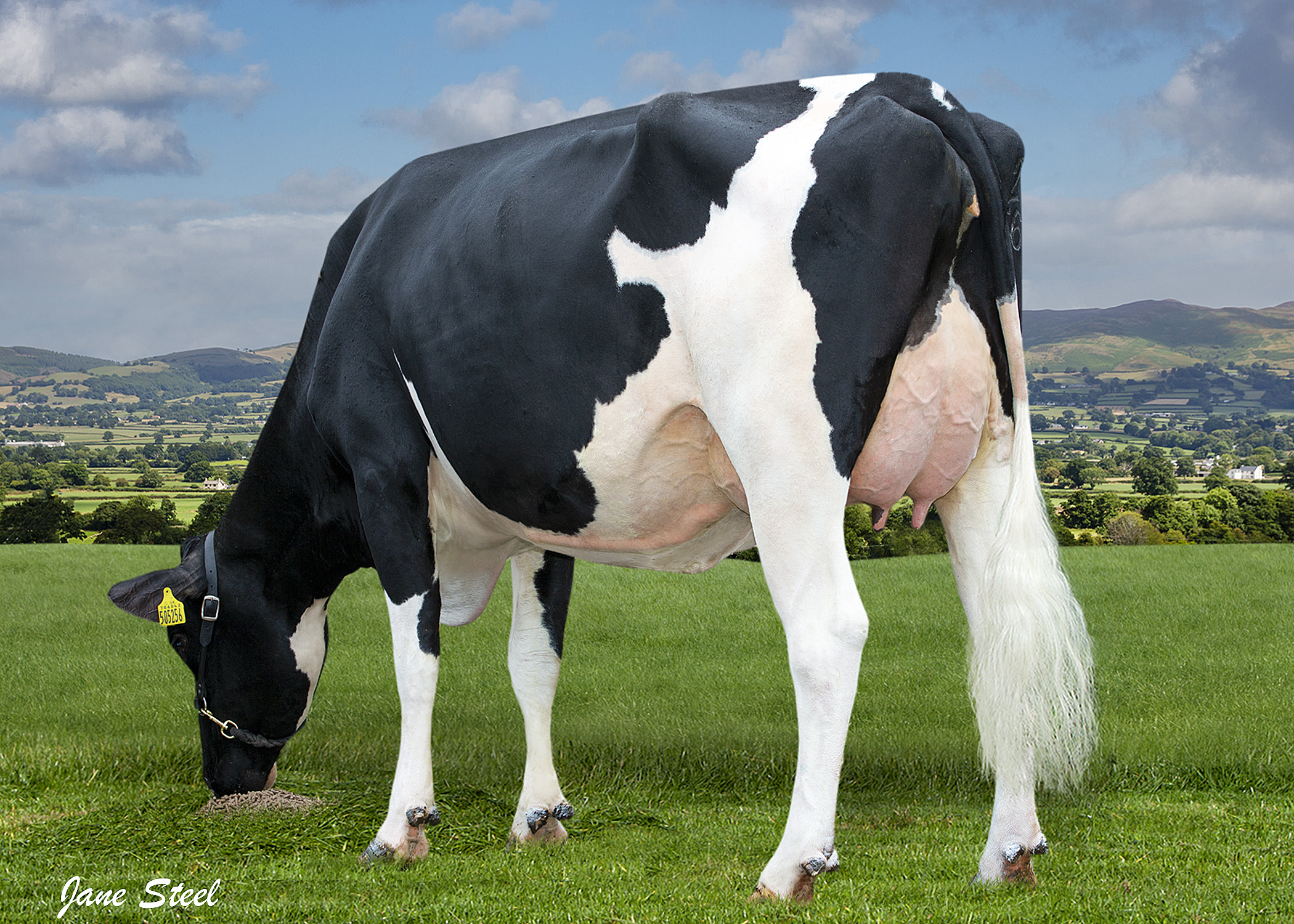
Learning how to say cow in Japanese opens up a fascinating look into how language, agriculture, and world-famous cuisine intersect. The base Japanese word for cow or cattle is ushi (written as 牛). Yet, when you start exploring Japanese food culture, you'll quickly encounter terms like wagyu (和牛), which refers specifically to native Japanese beef cattle breeds. Getting a grip on these terms helps clear up common confusion between everyday animal vocabulary and high-end culinary labels.
In daily Japanese conversation, ushi covers both male and female bovine animals in a general sense, but the language also uses specific kanji compounds depending on sex and function. Meanwhile, modern beef branding involves strict genetic and regional definitions that go far beyond a simple farm animal. Let's break down the linguistics, the specific breeds, and the cultural context behind cattle terminology in Japan.
Defining Ushi: The Base Japanese Word for Cattle
The kanji character for cow is 牛, pronounced ushi in its native Japanese reading (kun'yomi). You'll also hear the Sino-Japanese reading (on'yomi) gyuu when it appears in compound words related to food and farming.
When native speakers talk about livestock on a farm, they use ushi. To be more precise about gender or purpose, Japanese adds specific prefixes:
- Meushi (雌牛): A female cow or dairy cow.
- Oushi (雄牛): A bull or male cow.
- Nyugyu (乳牛): A dairy cattle used specifically for milk production.
- Gyuniku (牛肉): Beef, literally translated as "cow meat".
You'll encounter gyuu frequently in everyday dining. For example, gyudon (牛丼) is a popular, comforting dish consisting of thinly sliced beef and onions simmered in a mild broth, served over a bowl of rice. Major casual restaurant chains like Yoshinoya, Matsuya, and Sukiya specialize in this exact meal.
What is Wagyu? Breaking Down the Kanji
While ushi refers to the live animal or generic beef, wagyu represents a completely different category of specialized livestock. Written as 和牛, the first kanji character (wa, 和) means Japanese or harmony, and the second character (gyu, 牛) means cow. Literally translated, wagyu means "Japanese cow".
However, not just any cow born in Japan is classified as wagyu today. The term officially designates specific historic breeds that underwent specialized breeding programs. For an official overview of agricultural standards, you can review guidelines provided by organizations like the Ministry of Agriculture, Forestry and Fisheries.
The modern wagyu classification centers on four primary native breeds:
- Japanese Black (Kuroge Washu): This breed makes up over ninety percent of all wagyu produced in Japan. It is globally celebrated for its intense fat marbling and tender texture. Famous regional variations like Kobe beef, Matsusaka beef, and Miyazaki beef all stem from this single breed.
- Japanese Brown (Akage Washu or Akaushi): Often called the red wagyu, these cattle feature a lighter coat color and produce leaner meat with a milder flavor profile.
- Japanese Shorthorn (Nihon Tankaku Washu): Raised primarily in northern regions like Tohoku, these cattle graze more actively on open pastures, resulting in a lean, savory red meat.
- Japanese Polled (Mukaku Washu): An extremely rare breed resulting from historical crossbreeding with foreign stock, known for a sturdy build and robust beef flavor.
Historical Shift From Farm Labor to Fine Dining
For centuries, cattle in Japan served entirely different purposes than they do today. Following the introduction of Buddhism in the sixth century, official edicts frequently banned the consumption of four-legged animal meat. For over a thousand years, Japanese farmers relied on ushi strictly as draft animals for rice paddies, transport, and agricultural labor. Because they worked heavy terrain, these animals developed high muscle endurance.
This isolation changed dramatically during the Meiji Restoration in the late nineteenth century. As Japan opened its borders to international trade and Western cultural influences, dietary habits shifted rapidly. Chefs and farmers began crossbreeding native working cattle with imported European beef breeds to improve body size and meat production. By 1957, the government and agricultural boards officially standardized the native bloodlines, establishing the modern foundation of wagyu.
To explore more about traditional agricultural history and food preservation in Japan, visit the Japan National Tourism Organization.
Common Mistakes and Misconceptions
People often mix up Japanese beef terminology because international marketers use loose labels. Clarifying a few boundaries prevents confusion at the butcher counter or in a restaurant.
- All Wagyu is not Kobe beef: Kobe beef is simply a specific, highly regulated brand of Japanese Black cattle raised strictly within Hyogo Prefecture. While all Kobe beef is wagyu, the vast majority of wagyu is not Kobe beef.
- Ushi is not a breed: Calling an animal an ushi is like calling an animal a "mammal" in English—it is just the biological category, not a specific pedigree or regional designation.
- Crossbred cattle have separate labels: Cattle bred outside Japan, or crossbred animals combining domestic wagyu with Angus stock (often called American or Australian Wagyu), are legally distinct from 100% full-blood Japanese native cattle.
Frequently Asked Questions
Is ushi used as a personal name or slang in Japan?
While ushi is primarily a literal noun for cattle, you will occasionally find it used in folk tales, sumo wrestling nicknames, or pop culture references. For example, characters with stubborn or powerful traits might draw loose associations with the strength of farm oxen, though it is rarely used as a modern given name for children.
What is the difference between Wagyu and ordinary beef?
Ordinary beef usually comes from standard Western breeds like Holstein or Angus, focusing on lean muscle mass. Wagyu cattle are bred and fed over extended periods—often exceeding 600 days—to encourage fine, intricate webs of intramuscular fat. This creates the signature buttery texture and rich umami flavor.
Can you buy authentic Japanese Wagyu outside of Japan?
Yes, strict export protocols allow certified Japanese Wagyu to be shipped globally. Authentic cuts feature individual trace numbers, allowing buyers to verify the exact birthplace, farm, and lineage of the animal via national databases.
How do you properly pronounce ushi and gyu?
Ushi is pronounced like "oo-shee" with equal emphasis on both syllables. Gyu sounds like a hard "gyoo" (rhyming with cue, but with a hard G sound at the start).


