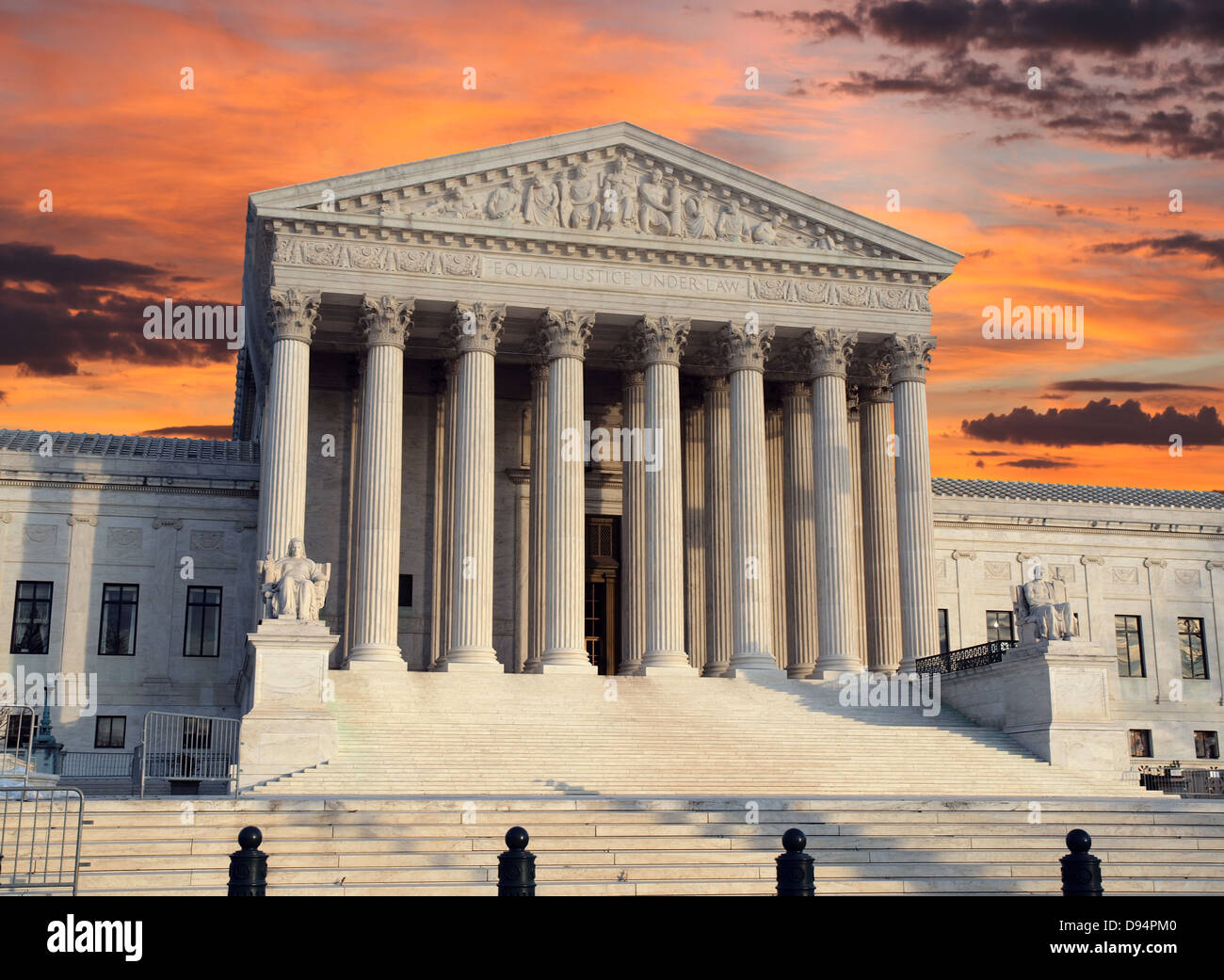
When a high-stakes legal challenge targets an established judicial precedent, the ripple effects hit lower courts, regulatory agencies, and corporate compliance departments overnight. Recent reporting from publications like The New York Times highlights how a fresh maneuver against a landmark court ruling threatens to destabilize long-standing interpretations of federal law. Understanding these shifts requires looking past the headlines to examine how lower courts apply changing standards and why litigants are pushing boundaries.
Litigation strategies have evolved rapidly as new judicial appointments alter the ideological balance of federal benches. When attorneys mount an aggressive challenge against a foundational ruling, they aren't just contesting a single case. They are inviting higher courts to rewrite the rules of engagement for entire sectors.
The Anatomy of a High-Stakes Legal Challenge
Challenging a binding precedent takes more than a simple disagreement over a verdict. It requires a carefully coordinated strategy designed to expose vulnerabilities in earlier judicial reasoning.
Identifying Precedent Weaknesses
Attorneys look for fractures in past rulings, particularly decisions that relied on broad interpretations of administrative authority or constitutional scope. When a previous court ruling stretches statutory language to cover modern scenarios, future litigants seize on those gaps. They argue that the original decision overstepped judicial boundaries or infringed upon legislative prerogatives.
Forum Shopping and Strategic Filings
Plaintiffs often file cases in specific judicial districts known for particular legal leanings. This tactic maximizes the chances of securing a favorable initial ruling that conflicts with decisions in other circuits. Circuit splits create the exact kind of legal friction that forces appellate courts and eventually the highest court in the land to step in and resolve the discrepancy.
Immediate Consequences for Lower Courts and Agencies
When a foundational ruling faces a credible threat, federal and state courts experience an immediate surge in supplementary filings. Judges find themselves wading through emergency motions and stay requests as parties scramble to protect their interests under the shifting standard.
Regulatory agencies bear an even heavier burden. When a court questions the legal bedrock of a major regulatory framework, enforcement mechanisms stall. Corporations and advocacy groups react by filing preemptive lawsuits to block pending rules, knowing that the judicial hurdle has effectively been lowered.
- Increased Motion Practice: Dockets fill up with motions to reconsider pending matters in light of the emerging challenge.
- Uncertain Compliance Timelines: Businesses pause multi-million dollar compliance upgrades while waiting for judicial clarity.
- Agency Hesitation: Federal rule-makers slow down new directives to avoid drafting regulations on unstable legal ground.
Broader Impacts on Corporate Risk and Compliance
Businesses hate uncertainty more than strict regulation. When a court ruling is thrown into doubt, corporate legal departments must audit their exposure across multiple jurisdictions. A contract or operating model that was entirely legal under yesterday's precedent might expose a firm to severe liability tomorrow.
Consider heavily regulated industries like telecommunications, energy, and financial services. These sectors rely on stable interpretations of federal oversight statutes. If a court rolls back a major administrative ruling, companies must rapidly pivot their risk management frameworks. Legal teams run simulations to determine how business operations would survive if the contested precedent falls completely apart.
Common Missteps When Analyzing Legal Challenges
Observers frequently misunderstand the timeline and mechanics of major judicial showdowns. Avoiding these common analytical errors helps maintain a realistic view of how the law changes.
- Assuming Immediate Invalidation: A legal challenge takes months or years to wind through appellate layers. A filing or an initial ruling doesn't mean the old law vanishes overnight.
- Ignoring Circuit Disparities: A shocking challenge in one district court doesn't automatically control behavior nationwide unless a higher appellate authority issues a sweeping injunction or ruling.
- Confusing Political Rhetoric with Legal Merit: Media coverage often sensationalizes court battles. Lawyers care about statutory text, procedural posture, and binding precedent, not sensational headlines.
Frequently Asked Questions
What triggers a major challenge to an established court ruling?
A challenge usually starts when a new set of plaintiffs finds a factual scenario that exposes limits or unintended consequences in an older precedent. Changes in court personnel and shifting judicial philosophies also encourage litigants to retry issues previously thought settled.
How do lower court judges handle conflicting precedents?
Judges must follow binding rulings from higher courts in their specific circuit. If two circuits issue directly contradictory opinions, lower courts apply the law as interpreted within their own geographic jurisdiction until the Supreme Court resolves the split.
Does a legal challenge pause existing regulations?
Not automatically. An existing rule remains in effect unless a court issues a specific injunction, stay, or vacate order halting its enforcement while the litigation proceeds.
Why do these legal battles take so long to resolve?
Federal litigation moves through deliberate procedural stages. Cases require formal briefing, oral arguments, district court review, circuit panel review, en banc consideration, and potentially petitions for certiorari before reaching a definitive conclusion.



